Procurement teams specifying corrosion inhibitors for closed-loop cooling water and multi-metal systems are increasingly confronting a formulation reality that benzotriazole (BTA) cannot solve: alkaline operating conditions. Tolyltriazole sodium salt, registered under CAS#64665-57-2 and commonly supplied as a 50% aqueous solution (TTA-50), occupies a functional niche defined not by price per kilogram but by pH stability range. In systems operating at pH 9.5–11.0—standard practice for carbon steel protection—BTA degrades while TTA-Na maintains film integrity. The grade selection decision, therefore, hinges on system chemistry rather than commodity economics.
The Specification That Actually Matters: Assay, Alkalinity, and Chloride
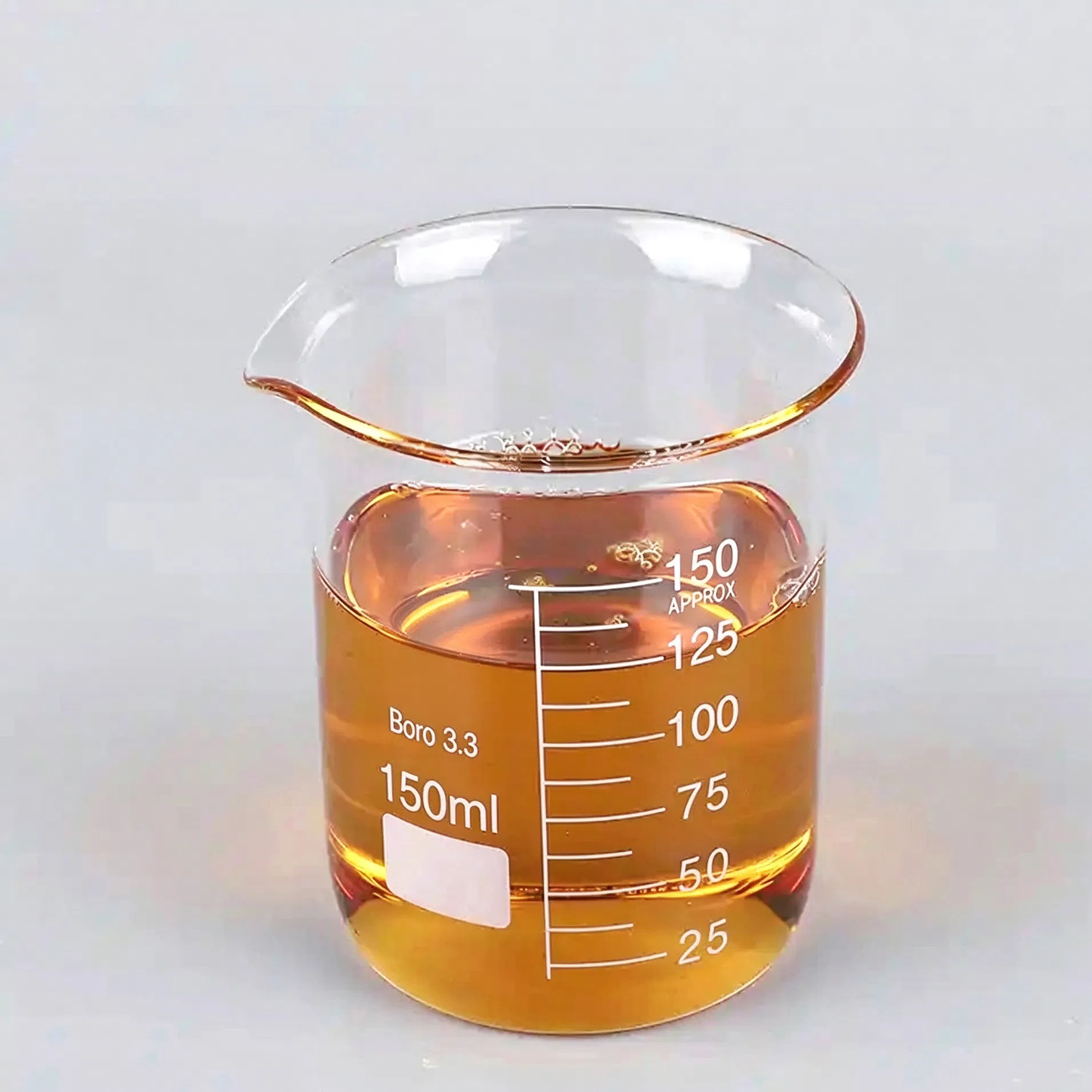
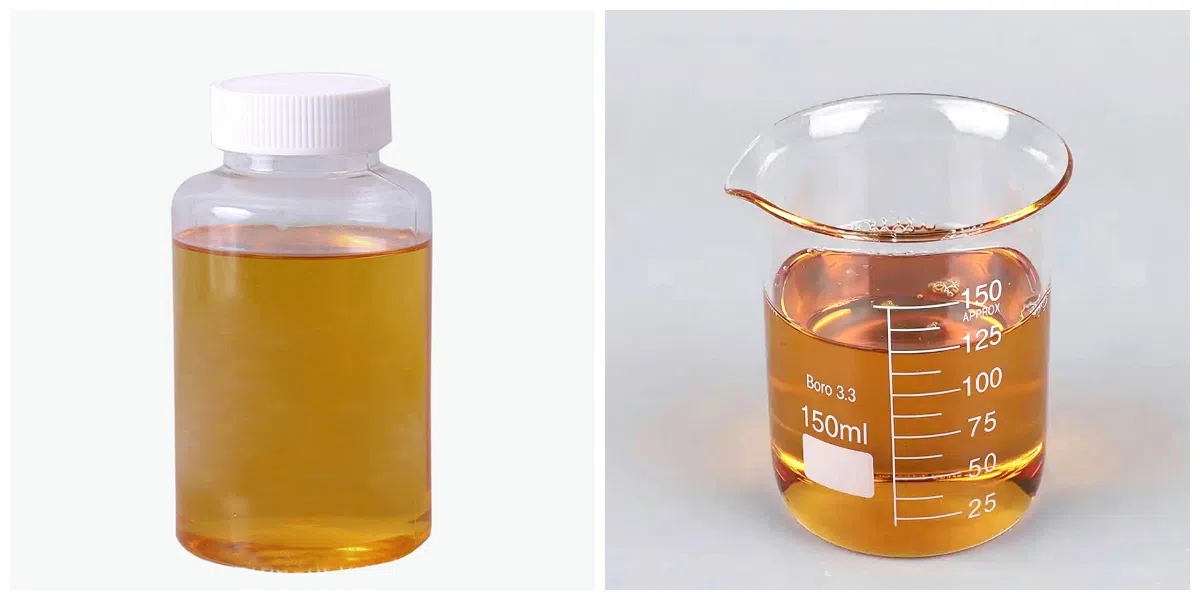
Commercial TTA-Na is not a single-tier product. The dominant trade form is a 50% aqueous solution, typically appearing as a clear yellow to amber liquid with a mild aromatic odor. Published specifications from established suppliers cluster around a defined window: assay 49.5–51.0% (some suppliers allow 49.0–54.5%), specific gravity 1.186–1.210 at 20°C, pH 11.5–12.0, chloride ≤100 ppm, and free NaOH ≤0.5%. The chloride ceiling is not cosmetic—in closed-loop systems with stainless steel components, chloride accumulation above specification accelerates pitting corrosion risk, particularly where the inhibitor package also contains molybdate and nitrite.
Packaging follows standard industrial conventions: 250 kg net drums and 1,250 kg net totes are widely available, with smaller pails and bulk options from distributors serving the water treatment and metalworking fluid sectors. Shelf life is generally stated at five years when stored unopened in a cool, dry location away from strong oxidizers.
Why TTA-Na Outperforms BTA in Alkaline Service
The molecular distinction between tolyltriazole and benzotriazole—a single methyl group on the triazole ring—translates into a measurable difference in hydrolytic stability under alkaline conditions. Technical data indicates TTA-Na maintains functional corrosion inhibition across pH 7–12, whereas BTA’s effective range is pH 5–9. This three-unit extension of the alkaline ceiling is not marginal. Closed-loop cooling systems for nuclear power, geothermal loops, and high-reliability industrial installations frequently operate at pH 10 or above to suppress carbon steel corrosion. In these environments, BTA undergoes progressive deactivation while TTA-Na remains stable.
The practical procurement implication is stark: for systems operating at pH ≥10, direct substitution of BTA with TTA-Na on a weight-for-weight basis is not viable without adjusting the entire system pH downward—a costly and often infeasible proposition for existing installations. TTA-Na is not merely a performance upgrade; in high-pH service it is functionally mandatory.
Synergy Data: The Third Component That Lifts Efficiency Above 99%
Recent technical assessments of nuclear-grade cooling water formulations provide quantified evidence for TTA-Na’s role in multi-metal inhibitor packages. A 2015 study conducted for nuclear power plant closed cooling systems evaluated SA106GrB carbon steel and brass at 35°C in solutions containing sodium nitrite (NaNO₂) and sodium molybdate (Na₂MoO₄). The binary combination achieved 98.4% inhibition efficiency on carbon steel at pH 10 with a 3.2:1 ppm ratio of MoO₄²⁻ to NO₂⁻, but provided little protection for brass. Addition of TTA-Na at 0.7 ppm—yielding an optimal ratio of 3.2:1:0.7—raised overall inhibition efficiency to 99.5% and extended protection to the copper alloy surface. The study also reported that the molybdate-nitrite combination raised the breakdown potential from −581 mV_SCE to 747 mV_SCE, suppressing pitting initiation in the presence of 10 ppm chloride.
For formulators building inhibitor packages for mixed-metallurgy systems, this data establishes TTA-Na as the essential third component without which brass and copper-alloy components remain under-protected. The selection question shifts from “which triazole is cheaper” to “what is the cost of premature brass failure in a closed loop.”
Application Matrix: Where TTA-Na Earns Its Place
The primary function of TTA-Na is adsorption onto metal surfaces to form a thin, uniform protective film that barriers the substrate from oxygen and corrosive species. Its water solubility—664 g/L at 20°C—makes it directly amenable to liquid formulations without solubilizer requirements. Beyond closed-loop cooling water, documented applications include automotive antifreeze and coolants, metalworking fluids, hydraulic fluids, and corrosion-resistant coatings. In each case, the selection driver is copper or copper-alloy protection in a formulation that may also contain other inhibitor chemistries.
The Chinese market documentation notes that TTA-Na can be used in combination with scale inhibitors and biocides, with particular efficacy in closed circulating cooling water systems. Recommended dosage for circulating water treatment is 2–10 mg/L, with higher initial doses for heavily rusted systems. For procurement teams, the low treat rate means that unit price differences between suppliers translate to modest per-system costs—making supplier reliability and specification consistency more consequential than quoted price alone.
Safety and Handling: The Corrosive Profile Procurement Cannot Ignore
TTA-Na 50% solution is classified as a corrosive material with GHS hazard statements H302 (harmful if swallowed), H314 (causes severe skin burns and eye damage), and H411 (toxic to aquatic life with long-lasting effects). UN classification is 1759, Class 8, Packing Group II. The concentrated solution causes skin burns and severe eye irritation, and inhalation may produce corrosive injury to the respiratory tract. For warehouse and plant handling, this requires corrosion-resistant secondary containment, appropriate PPE (goggles, face shield, chemical-resistant gloves), and segregation from acids and oxidizers.
A secondary procurement consideration: TTA-Na is listed on the US TSCA inventory and REACH registration is active. For suppliers serving multiple regulatory jurisdictions, confirm that the specific grade is covered under the supplier’s registration and that SDS documentation reflects current classification.
Selection Checklist for Procurement and Formulation Teams
Match pH stability to system operating conditions. If closed-loop pH exceeds 9, specify TTA-Na over BTA. If pH is below 7, BTA may remain the appropriate choice.
Verify assay and free alkalinity on a batch basis. The 49.5–51.0% assay window is standard; excursions below 49% indicate dilution or process variability that affects treat-rate calculations.
Screen chloride against system metallurgy. For stainless steel components or systems with chloride-sensitive alloys, the ≤100 ppm ceiling should be treated as a hard specification, not a typical value.
Confirm synergy package compatibility. Where molybdate-nitrite or other inhibitor chemistries are present, request supplier data on TTA-Na compatibility and recommended ratio; the 3.2:1:0.7 MoO₄:NO₂:TTA ratio provides a validated starting point for mixed Fe-Cu systems.
Audit packaging and shelf life. Five-year shelf life is standard for unopened containers; verify storage conditions at the receiving facility meet the cool, dry, segregated requirements.
The tolyltriazole sodium salt market is not a high-growth story—it is a mature specialty segment serving water treatment, metalworking, and coolant formulators. But maturity at the market level does not diminish the criticality of grade selection at the system level. In an alkaline cooling loop protecting both carbon steel and brass, the difference between BTA and TTA-Na is not a cost line item. It is the difference between 98.4% and 99.5% inhibition efficiency, and between a protected copper alloy and a premature failure.