
Product Description
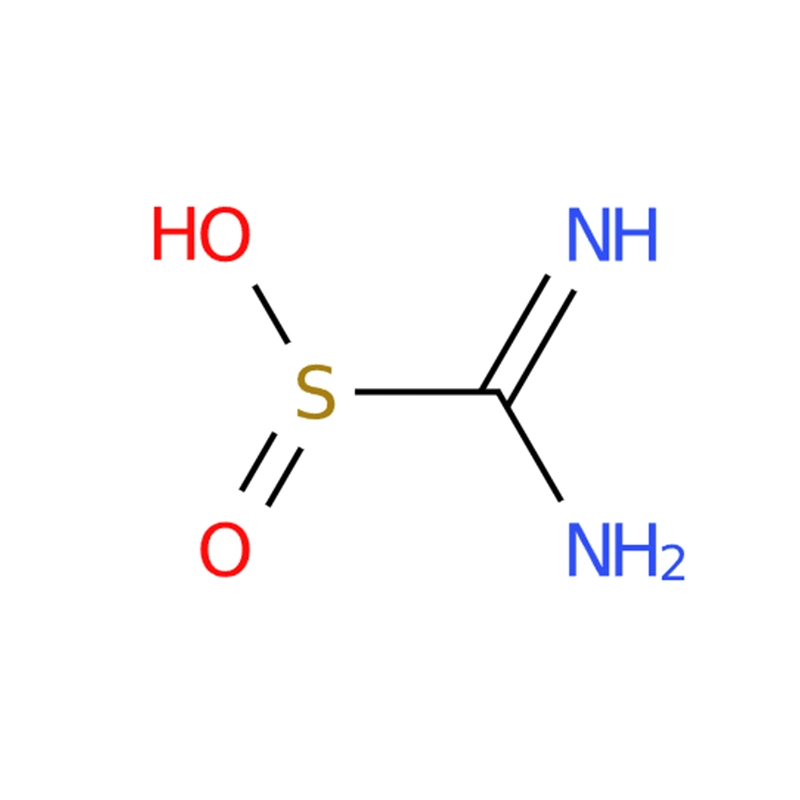
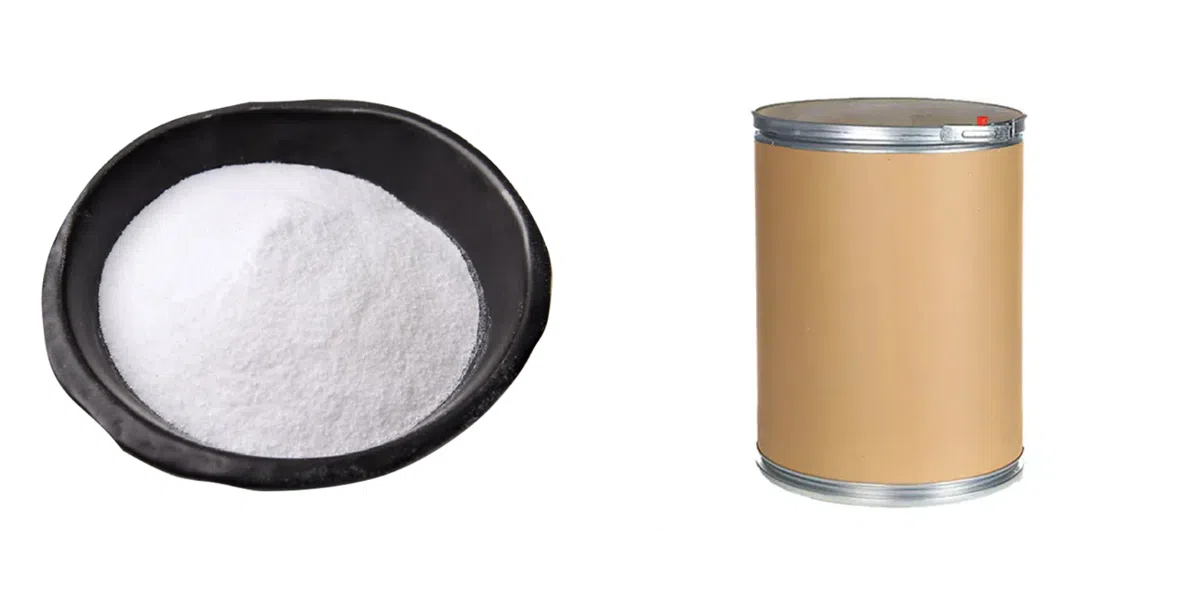
Thiourea dioxide, also known as formamidine sulfinic acid, is a sulfur-containing organic compound widely used as a reducing agent in industrial processes. It is typically supplied as an odorless, colorless to white crystalline solid or crystalline powder.
Thiourea dioxide has a molecular weight of 108.12 g/mol and a reported relative density of approximately 1.4. Its reported decomposition temperature is around 126°C. At room temperature, it exhibits limited water solubility, with the exact value depending on the test conditions. Its aqueous solution may be neutral to slightly alkaline, depending on concentration and solution conditions.
The compound is soluble in concentrated sulfuric acid, slightly soluble in acetic acid, and generally insoluble in many common organic solvents. Its stability is influenced by temperature, moisture, and pH. Exposure to excessive heat or unsuitable alkaline conditions may cause decomposition and the release of heat. For this reason, thiourea dioxide should be stored in a cool, dry, well-ventilated place in accordance with the supplier's technical data sheet and safety data sheet.
Thiourea dioxide is valued for its reducing properties and is used in selected textile processing, paper and pulp treatment, and other industrial applications requiring controlled reduction reactions. Product handling and use should follow the applicable safety guidelines.
Product Parameters
| Melting point | 124-127 °C (dec.)(lit.) |
| Boiling point | 355.3±25.0 °C(Predicted) |
| density | 1.68 |
| vapor pressure | 0Pa at 25℃ |
| refractive index | 1.6550 (estimate) |
| storage temp. | 2-8°C |
| solubility | 27g/l |
| pka | 2.40±0.10(Predicted) |
| form | Crystalline Powder |
| color | White |
| PH | 4 (10g/l, H2O, 20℃) |
| Water Solubility | 30 g/L (20 ºC) |
| Sensitive | Moisture Sensitive |
| BRN | 506653 |
| InChIKey | FYOWZTWVYZOZSI-UHFFFAOYSA-N |
| LogP | -3.37 at 25℃ |
| CAS DataBase Reference | 1758-73-2(CAS DataBase Reference) |
| EPA Substance Registry System | Methanesulfinic acid, aminoimino- (1758-73-2) |
| Hazard Codes | Xn,Xi |
| Risk Statements | 5-22-36/37/38 |
| Safety Statements | 26-24/25-36 |
| RIDADR | UN 3341 4.2/PG 2 |
| WGK Germany | 1 |
| RTECS | PB0372500 |
| TSCA | Yes |
| HazardClass | 4.2 |
| PackingGroup | II |
| HS Code | 29309070 |
Application Scenarios
Thiourea dioxide, also known as formamidine sulfinic acid, is a versatile reducing agent used in textile processing, chemical synthesis, and selected polymer-related applications. Its strong reducing capability makes it suitable for processes requiring controlled reduction and decolorization.
1. Textile Printing and Dyeing
Thiourea dioxide is widely used as a reducing agent in the textile industry. Its applications include wool bleaching, reduction processes involving vat and sulfur dyes, selected disperse dyeing processes, and discharge printing, where it helps remove or lighten color in designated areas of dyed fabrics.
2. Organic Synthesis and Chemical Processing
In organic synthesis, thiourea dioxide can serve as a reducing agent for certain carbonyl compounds, quinones, nitro compounds, azo compounds, and other reducible functional groups. It is also used in selected decolorization processes and specialized chemical applications. Its suitability depends on the target compound, reaction conditions, and required selectivity.
3. Polymer and Synthetic Fiber Processing
Thiourea dioxide may be used in selected polymer-processing and synthetic fiber manufacturing applications where reducing conditions are required. In polyacrylonitrile (PAN) processing, its potential role in improving product color depends on the specific formulation and process conditions. Any application involving polyethylene or other polymers should be verified against the relevant technical data before a performance claim is made.
4. Specialty Chemical Applications
Thiourea dioxide is also used in certain specialty chemical processes, including selected analytical and metal-separation applications. Its reducing properties may be useful in processes involving specific metal ions, although suitability for metals such as rhodium and iridium depends on the separation method and operating conditions.
Overall, thiourea dioxide is an important industrial reducing agent with applications across textile processing, chemical manufacturing, and selected materials-related processes. Appropriate dosage, compatibility, and operating conditions should be established according to the requirements of each application.