
Product Description
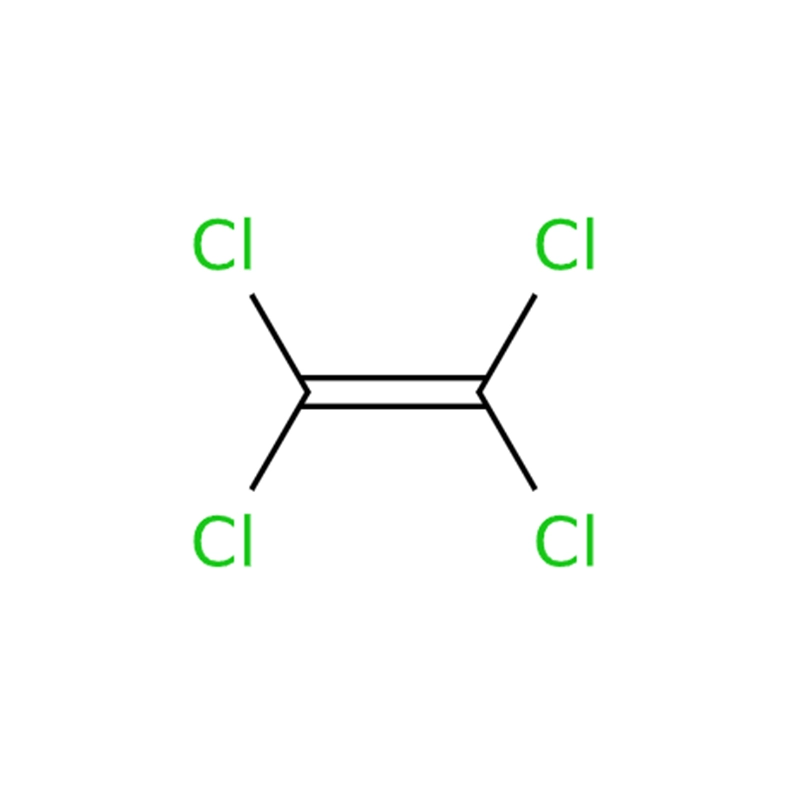
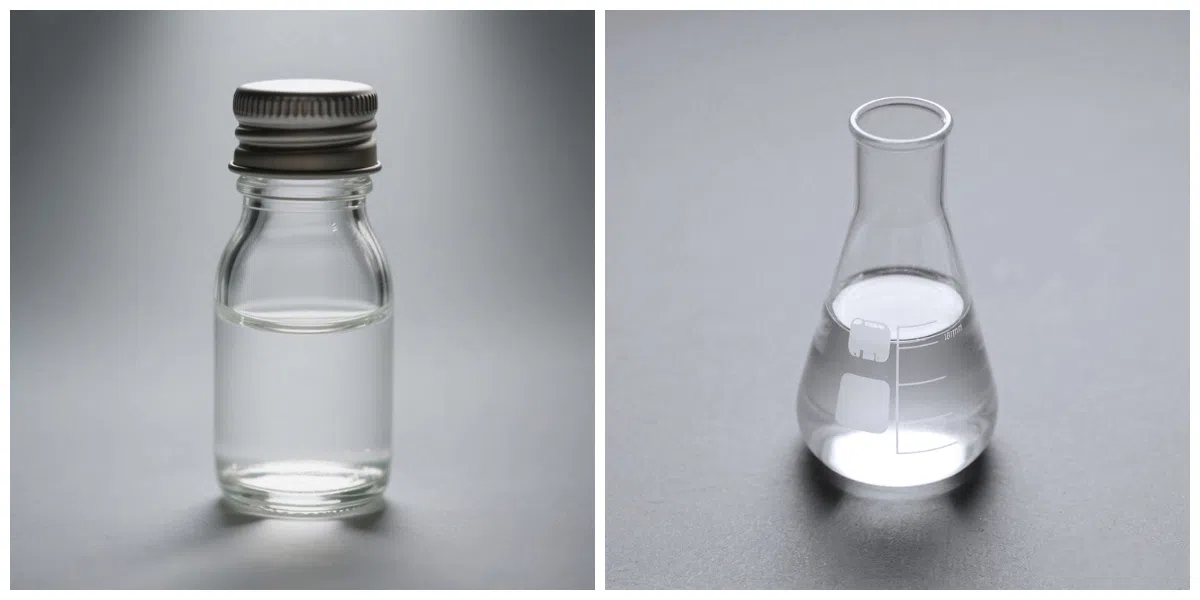
Tetrachloroethylene, also known as perchloroethylene or PCE, is a chlorinated organic compound with the molecular formula C₂Cl₄. It is a colorless, transparent, non-flammable liquid with a characteristic ether-like odor. Due to its solvent properties and chemical characteristics, tetrachloroethylene is used in industrial cleaning, dry-cleaning processes, and selected chemical manufacturing applications.
Physical and Chemical Properties
Tetrachloroethylene has a molecular weight of approximately 165.83 g/mol, a relative density of about 1.62, a melting point of approximately −22.7°C, and a normal boiling point of around 121°C. Its refractive index is approximately 1.505, and its viscosity at 20°C is reported to be about 0.84 mPa·s. Vapor pressure increases with temperature, which is an important consideration for storage, handling, and workplace exposure control.
Tetrachloroethylene has very low solubility in water and is miscible with several organic solvents, including ethanol, diethyl ether, chloroform, and benzene. Its compatibility with other substances depends on the solvent system and operating conditions.
Chemical Properties and Reactivity
Tetrachloroethylene is relatively stable under suitable storage and handling conditions. However, its behavior depends on temperature, light exposure, impurities, and contact with reactive substances. Under specific reaction conditions, it can undergo hydrogenation, chlorination, and other chemical transformations to produce chlorinated derivatives. Reactions involving bromine or hydrogen fluoride require appropriate process controls and should be assessed for the specific manufacturing application.
Exposure to unsuitable conditions, including excessive heat or incompatible reactive materials, may result in decomposition or hazardous reactions. Tetrachloroethylene may also be incompatible with certain strong oxidizing agents, reactive metals, and other substances. Compatibility should be confirmed using the product's Safety Data Sheet (SDS) and relevant process safety information.
Safety and Handling
Tetrachloroethylene is a hazardous chemical that can affect the central nervous system. Exposure may cause symptoms such as headache, dizziness, nausea, and impaired coordination; high exposure levels can result in more severe effects. Repeated or prolonged exposure may pose additional health risks.
Use appropriate engineering controls, adequate ventilation, suitable personal protective equipment, and exposure-monitoring procedures. Store and handle the product in accordance with the supplier's SDS and applicable regulations. Toxicological values and occupational exposure limits should be taken from the relevant, current safety documentation for the applicable jurisdiction.
Product Parameters
| Melting point | -22 °C (lit.) |
| Boiling point | 121 °C (lit.) |
| density | 1.623 g/mL at 25 °C (lit.) |
| vapor density | 5.83 (vs air) |
| vapor pressure | 13 mm Hg ( 20 °C) |
| refractive index | n20/D 1.505(lit.) |
| Fp | 120-121°C |
| storage temp. | Store at +2°C to +25°C. |
| solubility | water: soluble0.15g/L at 25°C |
| form | Liquid |
| color | APHA: ≤10 |
| Odor | chloroform-like odor |
| Odor Threshold | 0.77ppm |
| Water Solubility | Miscible with alcohol, ether, chloroform, benzene and hexane. Slightly miscible with water. |
| FreezingPoint | -22.0℃ |
| λmax | λ: 290 nm Amax: 1.00 |
| λ: 295 nm Amax: 0.30 | |
| λ: 300 nm Amax: ≤0.20 | |
| λ: 305 nm Amax: 0.10 | |
| λ: 350 nm Amax: 0.05 | |
| λ: 400 nm Amax: 0.03 | |
| Merck | 149190 |
| BRN | 1361721 |
| Henry's Law Constant | 4.97 at 1.8 °C, 15.5 at 21.6 °C, 34.2 at 40.0 °C, 47.0 at 50 °C, 68.9 at 60 °C, 117.0 at 70 °C (EPICS-GC, Shimotori and Arnold, 2003) |
| Exposure limits | TLV-TWA 50 ppm (~325 mg/m3) (ACGIH), 100 ppm (MSHA and OSHA); TLV-STEL 200 ppm (ACGIH); carcinogenicity: Animal Limited Evidence. |
| Dielectric constant | 2.5(21℃) |
| Stability: | Stable. Incompatible with strong oxidizing agents, alkali metals, aluminium, strong bases. |
| LogP | 2.53 at 20℃ |
| CAS DataBase Reference | 127-18-4(CAS DataBase Reference) |
| IARC | 2A (Vol. Sup 7, 63, 106) 2014 |
| NIST Chemistry Reference | Tetrachloroethylene(127-18-4) |
| EPA Substance Registry System | Tetrachloroethylene (127-18-4) |
| Hazard Codes | Xn,N,T,F |
| Risk Statements | 40-51/53-23/25-11-39/23/24/25-23/24/25 |
| Safety Statements | 23-36/37-61-45-24-16-7 |
| RIDADR | UN 1897 6.1/PG 3 |
| WGK Germany | 3 |
| RTECS | KX3850000 |
| Autoignition Temperature | 260℃ |
| TSCA | Yes |
| HazardClass | 6.1 |
| PackingGroup | III |
| HS Code | 29032300 |
| Hazardous Substances Data | 127-18-4(Hazardous Substances Data) |
| Toxicity | LD50 orally in mice: 8.85 g/kg (Dybing); LC for mice in air: 5925 ppm (Lazarew) |
| IDLA | 150 ppm |
Application Scenarios
Tetrachloroethylene, also known as perchloroethylene (PCE), is a chlorinated organic solvent widely used in industrial cleaning, professional dry cleaning, metal degreasing, and selected chemical manufacturing processes. It has also been used as a raw material or intermediate in the production of certain chlorinated and fluorinated compounds.
1. Industrial Cleaning and Metal Degreasing
Tetrachloroethylene has strong solvent properties and can dissolve many oils, fats, and other organic contaminants. It has been used in metal degreasing and industrial cleaning processes to remove grease, oil, and residues from metal components. Its suitability depends on the cleaning system, material compatibility, and applicable environmental and workplace regulations.
2. Dry Cleaning and Textile Processing
Tetrachloroethylene has traditionally been used as a solvent in professional dry cleaning because of its ability to dissolve oily stains and grease. It has also been used in selected textile-processing and finishing operations. Its use is subject to applicable restrictions and safety requirements, which vary by jurisdiction.
3. Rubber, Resin, and Coating Applications
Tetrachloroethylene can dissolve or interact with certain organic materials, including selected rubber compounds and resins. Depending on formulation and compatibility, it has been used in solvent-based applications involving rubber, inks, coatings, and related industrial materials.
4. Chemical Manufacturing
Tetrachloroethylene serves as a chemical intermediate in selected manufacturing processes, including the production of certain chlorinated compounds and fluorinated organic chemicals. Its use in these processes requires appropriate reaction controls, equipment compatibility, and handling procedures.
5. Environmental Exposure and Safety Considerations
Tetrachloroethylene may enter the environment through industrial emissions, contaminated air, soil, or water. People may be exposed through inhalation or, in some circumstances, contaminated food or drinking water. Because tetrachloroethylene presents health and environmental hazards, its handling, storage, use, and disposal should follow the applicable Safety Data Sheet (SDS) and local regulations.
Overall, tetrachloroethylene is an established industrial solvent and chemical intermediate. Its use should be evaluated according to technical performance, regulatory requirements, and occupational and environmental safety considerations.