
Product Introduction
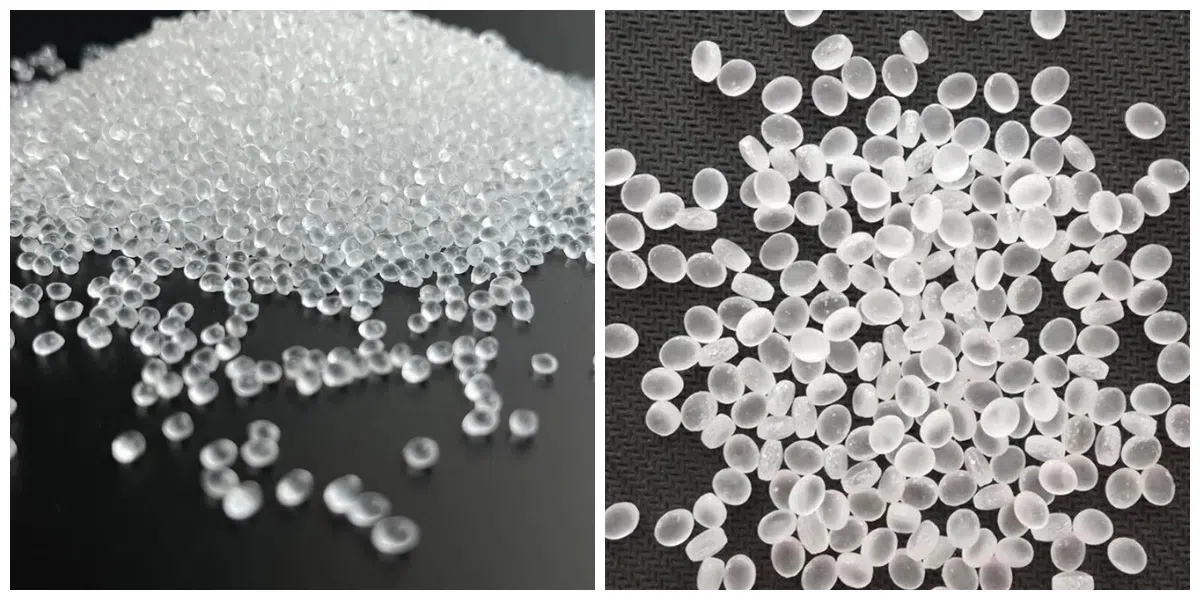
Redispersible Polymer Powder (RDP), CAS#24937-78-8, is a spray-dried polymer powder mainly based on vinyl acetate-ethylene (VAE) copolymer. It is widely used as a polymer modifier and dry-mix binder in modern construction materials.
When mixed with water, RDP rapidly redisperse to form a stable polymer dispersion. During the drying and curing process, the polymer particles coalesce to form a continuous polymer film within the mortar matrix. This film improves the bonding, flexibility, crack resistance, water resistance, abrasion resistance, and overall durability of cement-based and gypsum-based materials.
RDP is particularly suitable for dry-mix formulations because it can be stored and transported as a free-flowing powder and easily incorporated with cement, gypsum, fillers, aggregates, and other powder additives.
Key Performance Benefits
The addition of Redispersible Polymer Powder can provide several important performance improvements:
Improved adhesion: Enhances bond strength between mortar and various substrates.
Enhanced flexibility: Improves the flexibility and deformability of hardened mortar.
Better crack resistance: Helps reduce cracking caused by shrinkage, thermal movement, and substrate deformation.
Improved water resistance: Reduces water penetration and improves the durability of cementitious materials.
Better workability: Improves smoothness, spreadability, and application performance.
Higher flexural strength: Improves the flexibility and mechanical performance of modified mortar.
Improved abrasion resistance: Enhances surface durability in applications exposed to mechanical wear.
Better durability: Improves the overall service performance of construction materials.
These properties make RDP an important functional additive for cement-based and gypsum-based dry-mix systems.
Applications
1. Tile Adhesives
RDP is widely used in cement-based tile adhesives to improve adhesion, flexibility, open time, workability, and deformation resistance. It is suitable for both standard and flexible tile adhesive formulations and helps improve the bond between tiles and different substrates.
2. Wall Putty and Skim Coat
In wall putty and skim coat formulations, RDP improves adhesion, flexibility, surface strength, water resistance, and crack resistance. It also contributes to smoother application and better substrate compatibility.
3. EIFS / ETICS Systems
RDP is an important polymer modifier for External Insulation and Finish Systems (EIFS/ETICS). It improves the adhesion and flexibility of base coats and adhesive mortars while helping the system withstand thermal movement and mechanical stress.
4. Self-Leveling Compounds
RDP can be incorporated into cement-based and gypsum-based self-leveling compounds to improve adhesion, flexibility, surface durability, and crack resistance. It also helps provide better compatibility between the leveling layer and the substrate.
5. Repair Mortars
In repair mortar formulations, RDP improves bond strength, flexibility, abrasion resistance, and durability. It is suitable for repairing concrete, cementitious surfaces, and other mineral substrates.
6. Waterproofing Mortars
RDP can enhance the flexibility and water resistance of cementitious waterproofing materials. The polymer film formed during curing helps reduce water penetration and improves the durability of waterproofing layers.
7. Grouts and Joint Fillers
RDP improves the adhesion, flexibility, abrasion resistance, and water resistance of tile grouts and joint-filling materials. It is especially useful where the cured material needs to withstand movement and repeated wetting.
8. Gypsum-Based Materials
RDP can be used in gypsum plasters, gypsum-based self-leveling compounds, joint fillers, and other gypsum-based dry-mix products. It helps improve bond strength, flexibility, crack resistance, and surface durability.
How RDP Works in Mortar
After water is added to a dry-mix formulation, RDP particles redisperse and form a polymer dispersion. As the mortar dries, the polymer particles gradually coalesce into a continuous film.
This polymer film interacts with the inorganic binder and aggregate structure, helping create a more cohesive and flexible composite matrix. As a result, the modified mortar generally shows improved adhesion, flexibility, crack resistance, water resistance, and mechanical durability compared with an unmodified formulation.
Conclusion
Redispersible Polymer Powder CAS#24937-78-8is a versatile polymer additive for modern dry-mix construction materials. Its ability to redisperse in water and form a flexible polymer film makes it particularly valuable for improving the adhesion, flexibility, water resistance, crack resistance, workability, and durability of cement- and gypsum-based formulations.
With applications ranging from tile adhesives and wall putty to EIFS/ETICS, self-leveling compounds, repair mortars, waterproofing mortars, grouts, and gypsum-based products, RDP has become an important component in high-performance construction chemical formulations.