Product Description
Polylactic Acid (PLA) is a bio-based, biodegradable thermoplastic polymer produced from lactic acid derived from renewable resources, including corn and cassava. As an alternative to conventional petroleum-based plastics, PLA is widely used in the development of sustainable polymer materials.
PLA powder and other PLA forms can be used in selected applications across cosmetics, specialty chemicals, coatings, ceramics, and other industrial sectors, depending on the product grade and formulation requirements.
PLA fibers offer good breathability, moisture management, and processability, making them suitable for a variety of textile applications. They can be processed using different shaping and coloring techniques and blended with other fibers, including silk, to develop materials with tailored properties. Additional features, such as antibacterial activity and UV resistance, may be achieved through appropriate fiber modification or functional additives.
Product Parameters
| English Name | Propanoic acid, 2-hydroxy-, homopolymer |
| English Synonyms | Poly(L-lactide), propargyl terminated;propargyl PLLA;10 k PLLA-ATRP;PDLA;ATRP Macromonomer;ATRP ter minated PLLA;Poly(L-lactide), 2-bromoisobutyryl terminated;Poly(L-lactide) average Mn 10,000, PDI <=1.1 |
| CAS Number | 26100-51-6 |
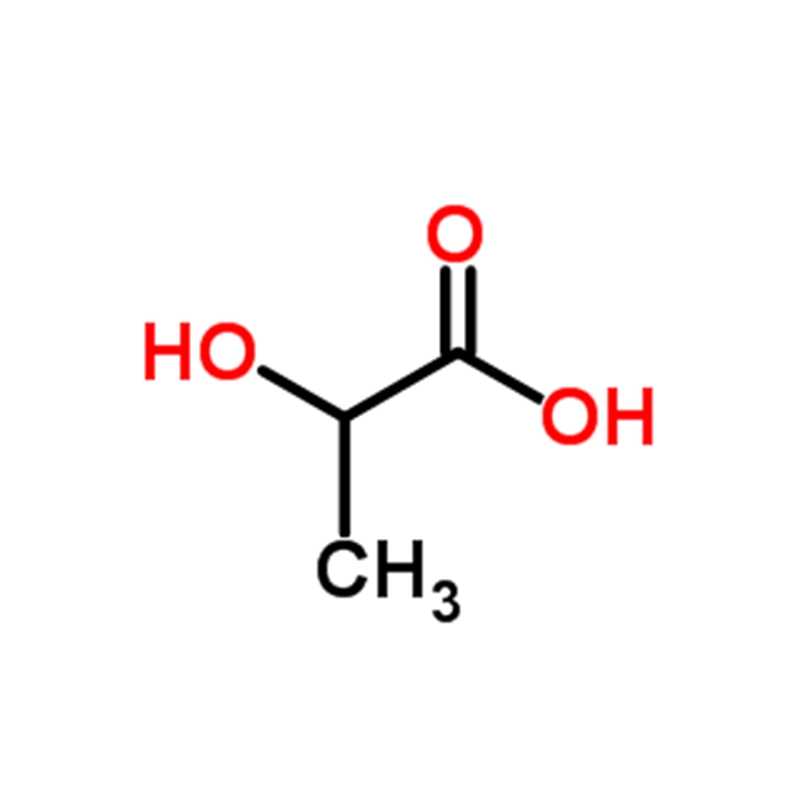
| Molecular Formula | (СЗН60З)x |
| Molecular Weight | 90.07794 |
| EINECS Number | 201-245-8 |
| Melting point | 176℃ |
| Density | 1.25-1.28 g/cm3 |
| Refractive index | 1.4589 |
| Storage conditions | 2-8℃ |
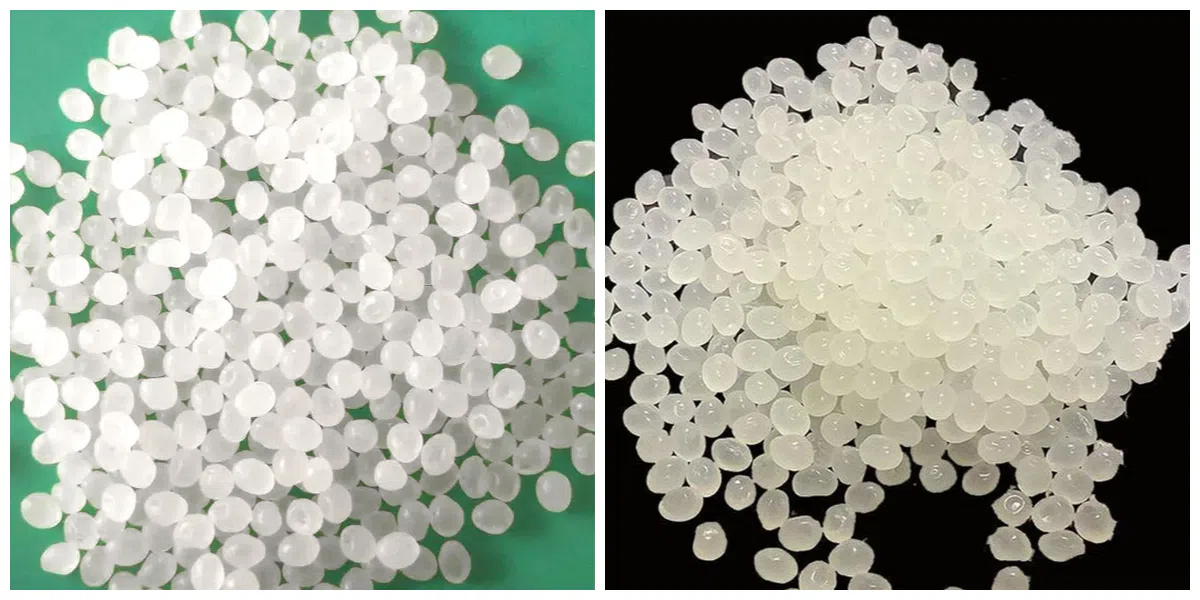
| Form | Powder |
| Color | Black |
| Optical rotation | [a]22/D -145°, c = 0.1% in chloroform |
| InChI | InChI=1S/C3H6O3/c1-2(4)3(5)6/h2,4H,1H3,(H,5,6) |
| InChIKey | JVTAAEKCZFNVCJ-UHFFFAOYSA-N |
| Smiles | C(O)(=O)C(O)C |
Application Scenarios
Packaging Materials: Used in the production of food packaging, films, trays, containers, and other packaging products where bio-based material options are desired.
Disposable Tableware: Suitable for manufacturing cups, plates, cutlery, and other disposable food-service products, subject to the required performance and food-contact specifications.
Consumer Electronics and Appliance Components: Used in selected molded components and appliance housings, depending on the required mechanical, thermal, and impact properties.
Textile Fibers and Nonwovens: Processed into fibers for textiles, nonwoven fabrics, and other fiber-based products.
3D Printing Materials: Widely used in fused deposition modeling (FDM) 3D printing filaments because of its ease of processing and suitability for producing detailed parts.
Biodegradable and Compostable Products: Used in applications designed for specific biodegradation or compostability requirements, provided the material formulation and finished product meet the relevant standards.
PLA is biodegradable under suitable environmental conditions, particularly in controlled industrial composting environments. Its degradation rate depends on factors such as temperature, moisture, microbial activity, product thickness, and material formulation. Therefore, biodegradation within one year cannot be guaranteed in all soil or disposal environments. Although biodegradation can ultimately produce carbon dioxide, water, and biomass under aerobic conditions, the actual environmental impact depends on the product life cycle and end-of-life management.