
Product Description
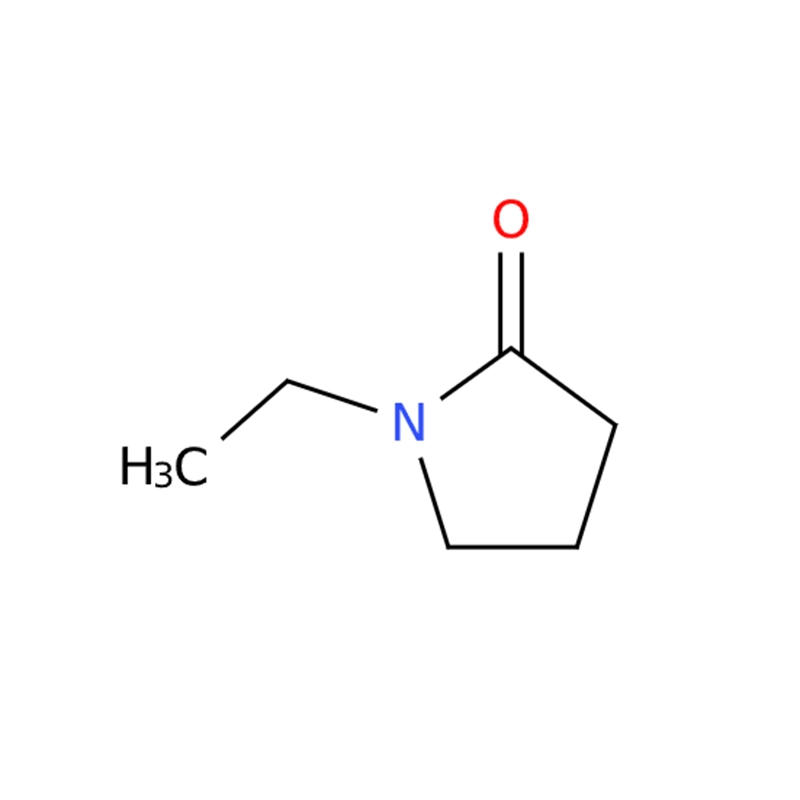
1-Ethyl-2-pyrrolidone (NEP), also known as N-Ethyl-2-pyrrolidone, is a polar aprotic organic solvent with the molecular formula C₆H₁₁NO and a molecular weight of 113.16 g/mol. It is typically a clear, colorless to pale-yellow liquid with strong solvency and relatively low volatility. These properties make it useful in selected chemical synthesis, solvent-based formulations, and industrial processing applications.
NEP has also been investigated as a transdermal penetration enhancer because of its potential interactions with the lipid structures of the stratum corneum. However, such applications require careful evaluation of formulation performance, toxicological risks, and applicable regulatory requirements.
Product Parameters
| Melting point | 87.5-88.5 °C |
| Boiling point | 97 °C/20 mmHg (lit.) |
| Density | 0.992 g/mL at 25 °C (lit.) |
| Vapor pressure | 18Pa at 20℃ |
| Refractive index | n20/D 1.465(lit.) |
| Fp | 169 °F |
| Storage temp. | Sealed in dry,Room Temperature |
| Pka | -0.41±0.20(Predicted) |
| Form | Liquid |
| Color | Clear |
| PH | 8-9 (100g/l, H2O, 20℃) |
| Explosive limit | 1.3-7.7%(V) |
| Water Solubility | 1000g/L at 23℃ |
| BRN | 107971 |
| InChIKey | ZFPGARUNNKGOBB-UHFFFAOYSA-N |
| LogP | -0.2 at 20℃ |
| CAS DataBase Reference | 2687-91-4(CAS DataBase Reference) |
| NIST Chemistry Reference | 1-Ethyl-2-pyrrolidinone(2687-91-4) |
| EPA Substance Registry System | 2-Pyrrolidinone, 1-ethyl- (2687-91-4) |
Safety Information
| Hazard Codes | Xn,T |
| Risk Statements | 22-36-62-41-61 |
| Safety Statements | 26-36-45-36/37/39-53 |
| WGK Germany | 1 |
| RTECS | UY5769250 |
| TSCA | Yes |
| HS Code | 29337900 |
Application Scenarios
Key Properties and Industrial Uses
Solvent Performance – NEP offers good solvency for selected organic compounds and can be used in specialized chemical synthesis and formulation processes. Its suitability depends on the materials being processed and the operating conditions.
Low Volatility – Compared with many more volatile solvents, NEP has a relatively low vapor pressure, which can help reduce evaporative losses. Appropriate ventilation and exposure controls are still necessary.
Chemical Processing Applications – NEP may serve as a solvent or processing aid in selected industrial applications. Specific uses as a synthesis intermediate should be verified against relevant technical documentation.
Research on Transdermal Delivery – NEP has been studied for its potential to enhance the penetration of certain substances through the skin. Due to its reproductive toxicity classification, any pharmaceutical or topical application requires a thorough safety assessment and regulatory review.
Health and Safety Considerations
NEP is classified as a reproductive toxicant under several applicable chemical hazard classification systems. Depending on the supplier's safety data sheet and the regulatory jurisdiction, hazard statements may include the potential to damage fertility or the unborn child. It can also cause serious eye damage and may be harmful if swallowed. Consult the product-specific Safety Data Sheet (SDS) for the applicable classification.
Reproductive Toxicity – Exposure may pose risks to reproductive function or fetal development. Avoid exposure during pregnancy and follow the applicable workplace reproductive-hazard controls.
Eye Protection – NEP may cause serious eye damage. Wear suitable chemical-resistant protective gloves, protective clothing, and safety goggles or a face shield as specified in the SDS.
Occupational Exposure Control – Use appropriate engineering controls and ventilation to minimize exposure. Avoid skin and eye contact, and follow established workplace hygiene procedures.
Storage and Disposal – Store in a tightly sealed, clearly labeled container under the conditions specified by the supplier. Dispose of the material and its container in accordance with applicable hazardous-waste regulations.
Due to its industrial utility and associated health hazards, NEP should be selected and handled according to its intended application, product specifications, and current safety requirements.