
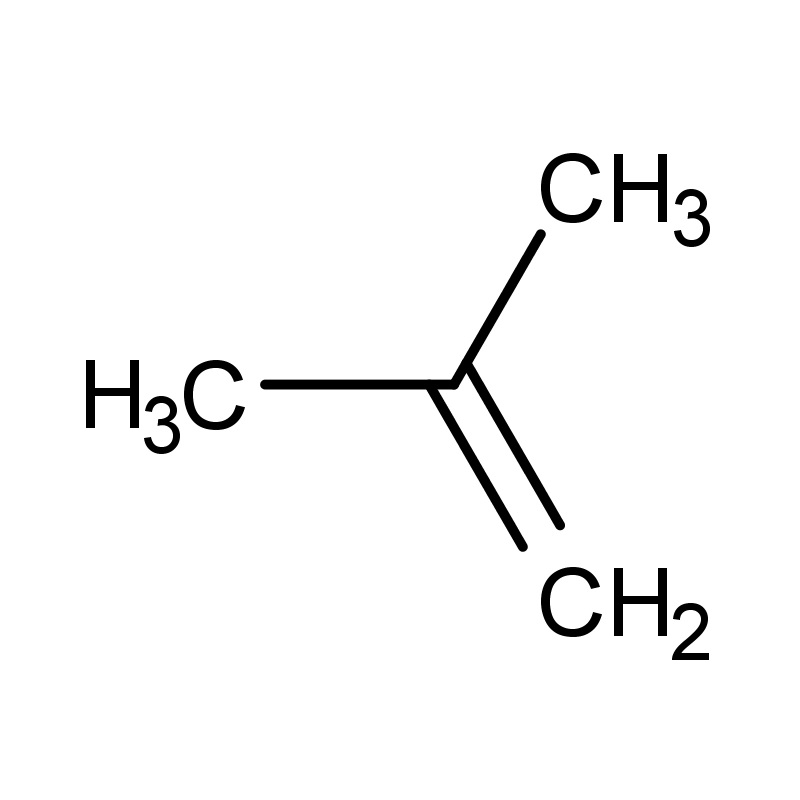
Product Description
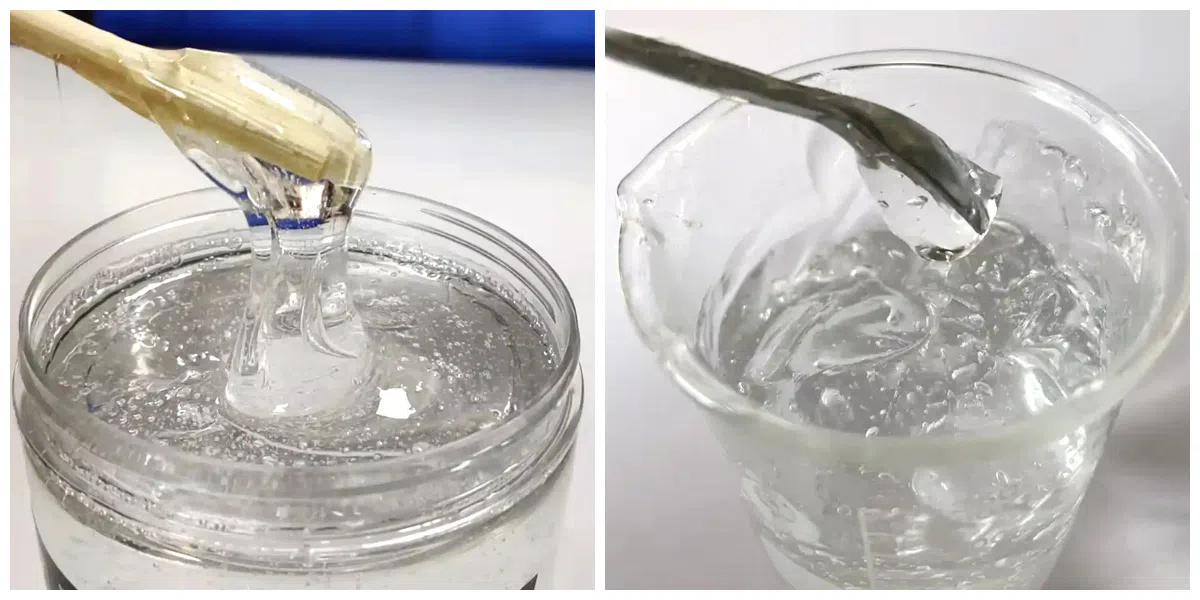
Polyisobutylene (PIB) is a synthetic hydrocarbon polymer known for its excellent flexibility, low permeability, and chemical stability. Depending on its molecular weight and grade, it can be supplied as a low-viscosity liquid, a highly viscous fluid, or a semi-solid material. Its low glass transition temperature enables it to retain flexibility at low temperatures, while its saturated polymer backbone contributes to its resistance to oxidation and moisture transmission.
Polyisobutylene is available in a wide range of molecular weights and viscosity grades to meet different processing and performance requirements. Certain grades have kinematic viscosities ranging from approximately 5 to 4,700 cSt at 100°C, depending on the product specification. Higher-molecular-weight grades generally provide greater viscosity and cohesive strength, making PIB suitable for applications in lubricants, adhesives, sealants, polymer modification, and specialized formulations.
Physical and Chemical Properties
Chemical Name: Polyisobutylene (PIB)
CAS Number: 9003-27-4
Physical Form: Liquid, highly viscous fluid, or semi-solid, depending on molecular weight and grade
Appearance: Water-white to pale yellow, depending on grade and formulation
Odor: Typically odorless or characterized by a slight odor, depending on grade and residual components
Kinematic Viscosity: Grade-dependent; certain products range from approximately 5 to 4,700 cSt at 100°C
Density: Approximately 0.92 g/mL at 25°C; the actual value depends on the grade and test conditions
Solubility: Generally soluble in many hydrocarbon solvents, aromatic hydrocarbons, mineral oils, and certain chlorinated solvents. Solubility varies with molecular weight, solvent type, and temperature. PIB is insoluble in water and is generally incompatible with many polar solvents.
Product Parameters
| Melting point | 54-56 °C |
| Boiling point | 300 °C |
| Density | 0.92 g/mL at 25 °C (lit.) |
| Tg | -61 |
| Tg | -62 |
| Tg | -64 |
| Tg | -75 |
| Refractive index | n20/D 1.51 |
| Fp | >212 |
| Fp | >482 |
| Form | slab/chunk |
| Stability | Stability Combustible. Incompatible with strong oxidizing agents. |
| InChI | InChI=1S/C4H8/c1-4(2)3/h1H2,2-3H3 |
| InChIKey | VQTUBCCKSQIDNK-UHFFFAOYSA-N |
| SMILES | C=C(C)C |
| EPA Substance Registry System | Polyisobutylene (9003-27-4) |
Safety Information
| Safety Statements | 24/25 |
| WGK Germany | 3 |
| RTECS | UD1010000 |
| TSCA | TSCA listed |
| HS Code | 39022000 |
| Hazardous Substances Data | 9003-27-4(Hazardous Substances Data) |
Application Scenarios
Lubricants and Lubricant Additives – Used in two-stroke engine oils, gear oils, greases, hydraulic fluids, and metalworking fluids to modify viscosity, improve film formation, and support formulation performance.
Adhesives – Incorporated into pressure-sensitive adhesives (PSAs) and hot-melt adhesive (HMA) formulations to improve tack, flexibility, and cohesive properties.
Sealants – Used in automotive sealing compounds, tire-related formulations, and window or construction sealants where flexibility, moisture resistance, and low permeability are important.
Stretch and Packaging Films – Selected PIB grades are used as tackifiers or additives in stretch-film formulations to improve cling and film performance. Food-contact applications require compliance with the relevant regulations and approval of the specific grade.
Electrical Insulation – Used in selected electrical insulation compounds and moisture-resistant formulations because of its hydrophobic properties and electrical insulating characteristics.
Specialty Consumer Products – Certain qualified grades are used in chewing-gum bases, cosmetics, and other specialized formulations, subject to applicable purity, safety, and regulatory requirements.