

Product Description
Dioctyl Sulfosuccinate Sodium Salt is a multifunctional anionic surfactant with mature pharmaceutical and industrial application value. It features mild activity, excellent surface tension reduction ability and stable compounding performance, serving as an indispensable auxiliary material in medical treatment, fine chemical and textile industries.
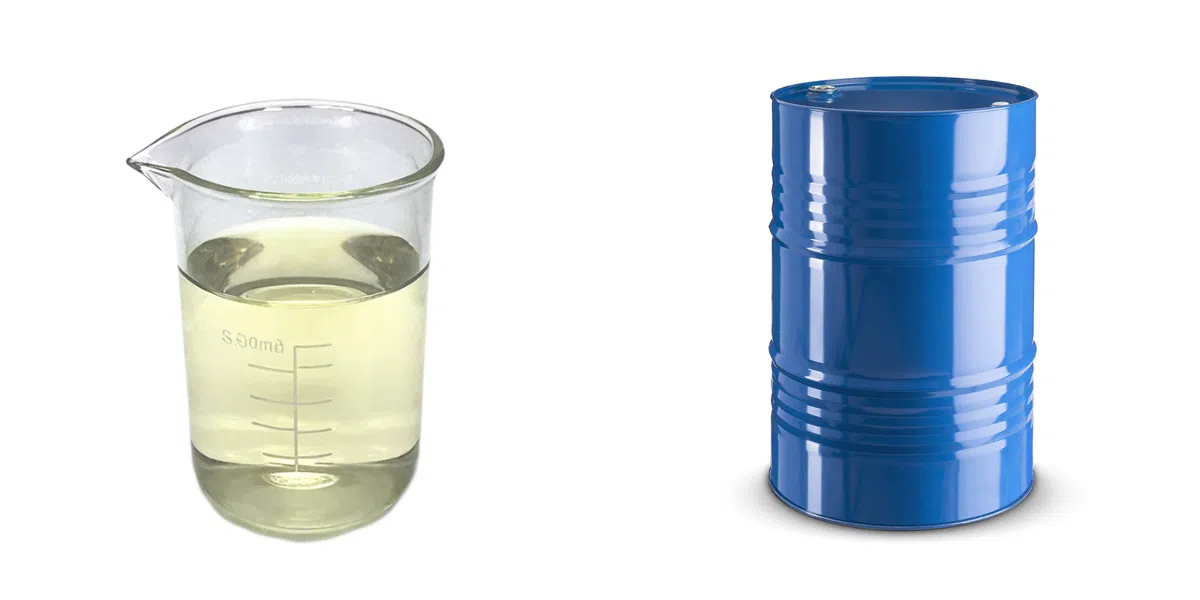
Product Parameters
| Melting point | 173-179 °C(lit.) |
| Boiling point | 82.7°C |
| Density | 1.1 |
| Vapor pressure | 0Pa at 25℃ |
| Storage temp. | Inert atmosphere,Room Temperature |
| Solubility | methanol: 0.1 M at 20 °C, clear, colorless |
| Form | Waxy Solid |
| Color | White |
| Specific Gravity | 1.005_PERCENT VOLATILE: 40 |
| Water Solubility | 1.5 g/100 mL (25 ºC) |
| Sensitive | Hygroscopic |
| λmax | λ: 260 nm Amax: 0.1 |
| λ: 280 nm Amax: 0.05 | |
| Merck | 143,401 |
| BRN | 4117588 |
| Stability | Stable. Combustible. Incompatible with strong oxidizing agents. |
| InChIKey | APSBXTVYXVQYAB-UHFFFAOYSA-M |
| LogP | 1.998 at 20℃ |
| CAS DataBase Reference | 577-11-7(CAS DataBase Reference) |
| EPA Substance Registry System | Bis(2-ethylhexyl) sodium sulfosuccinate (577-11-7) |
Safety Information
| Hazard Codes | Xn,Xi |
| Risk Statements | 22-38-41-36/37/38 |
| Safety Statements | 26-39-37/39-36 |
| WGK Germany | 2 |
| RTECS | WN0525000 |
| F | 3-10 |
| TSCA | Yes |
| HS Code | 29171900 |
| Hazardous Substances Data | 577-11-7(Hazardous Substances Data) |
| Toxicity | LD50 oral in rat: 1900mg/kg |
Application Scenarios
Pharmaceutical Industry – Widely used as a stool softener for relieving constipation. It also acts as a functional carrier material for controlled-release antibiotic preparations, supporting the development of advanced sustained-release drug delivery systems.
Textile & Dyeing Industry – Applied as a high-efficiency wetting agent, emulsifier and leveling agent to improve fabric permeability and finishing effects.
Fine Chemical & Laboratory Use – Suitable for cosmetic formulation and photosensitive material emulsification. It can construct microemulsion electrophoresis systems for estrogen detection, prepare reversed-phase microparticles, and assist in membrane protein dissolution and experimental analysis.