Product Description
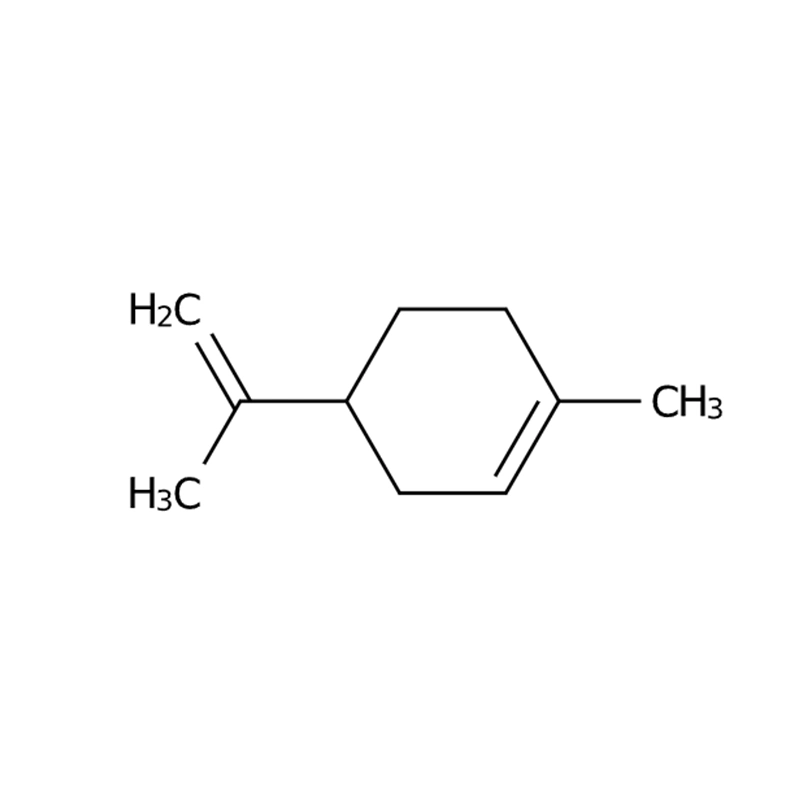
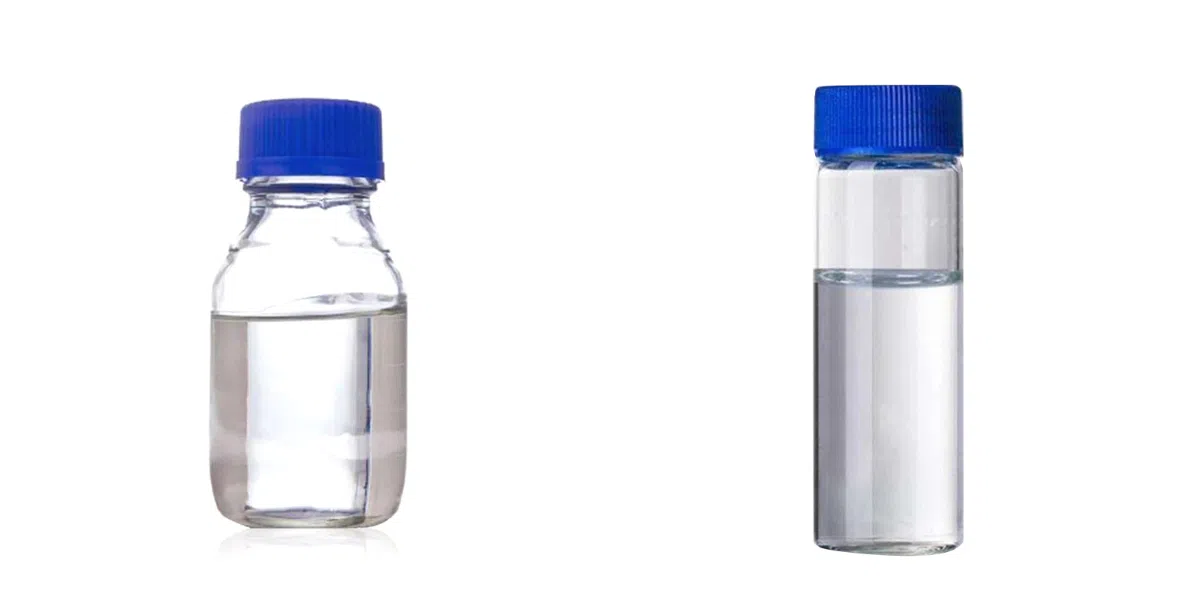
Dipentene, also known as DL-limonene, is the racemic mixture of d- and l-limonene. At room temperature it is a colorless, flammable liquid with a pleasant citrus-like odor. It is practically insoluble in water but readily miscible with ethanol.
Product Parameters
| Melting point | -84--104 °C |
| Boiling point | 170-180 °C (lit.) |
| density | 0.86 g/mL at 20 °C (lit.) |
| vapor density | 4.7 (vs air) |
| vapor pressure | <3 mm Hg ( 14.4 °C) |
| refractive index | n20/D 1.473(lit.) |
| Fp | 119 °F |
| storage temp. | Store below +30°C. |
| solubility | Chloroform: Slightly Soluble |
| form | Liquid |
| color | Clear colorless to pale yellow |
| Odor | Pleasant, pine-like; lemon-like. |
| Odor Threshold | 0.038ppm |
| explosive limit | 0.7-6.1%, 150°F |
| Odor Type | citrus |
| Water Solubility | <1 g/100mL |
| Merck | 145493 |
| BRN | 3587825 |
| Dielectric constant | 2.3(20℃) |
| Stability: | Stable. Flammable. Incompatible with strong oxidizing agents. |
| InChIKey | AJSJXSBFZDIRIS-UHFFFAOYSA-N |
| LogP | 4.57 |
| CAS DataBase Reference | 138-86-3(CAS DataBase Reference) |
| NIST Chemistry Reference | Limonene(138-86-3) |
| EPA Substance Registry System | Limonene (138-86-3) |
| Hazard Codes | Xi,N |
| Risk Statements | 10-38-43-50/53 |
| Safety Statements | 24-37-60-61 |
| RIDADR | UN 2052 3/PG 3 |
| WGK Germany | 2 |
| RTECS | OS8350000 |
| F | 39744 |
| Autoignition Temperature | 458 °F |
| TSCA | Yes |
| HazardClass | 3 |
| PackingGroup | III |
| HS Code | 29021990 |
| Hazardous Substances Data | 138-86-3(Hazardous Substances Data) |
| Toxicity | LD50 orally in Rabbit: 5300 mg/kg |
Application Scenarios
Dipentene is used in the manufacture of enamels, coatings, oil-soluble resins, resin waxes, metal driers, and industrial solvents. It also serves as a raw material for synthetic resins and synthetic rubbers.
In the fragrance industry, dipentene is used to compound citrus and orange-blossom type fragrances and other aromatic compositions, and as an economical extender for citrus essential oils. Chemically, limonene can be selectively oxidized to carvone; under acid-catalyzedhydration it forms α-terpineol and terpin hydrate; and over platinum or palladiumcatalysts it can be hydrogenated to p-menthane or dehydrogenated to p-cymene.
Further industrial uses include oil dispersant, rubber-processing additive, and wetting agent.