Product Description
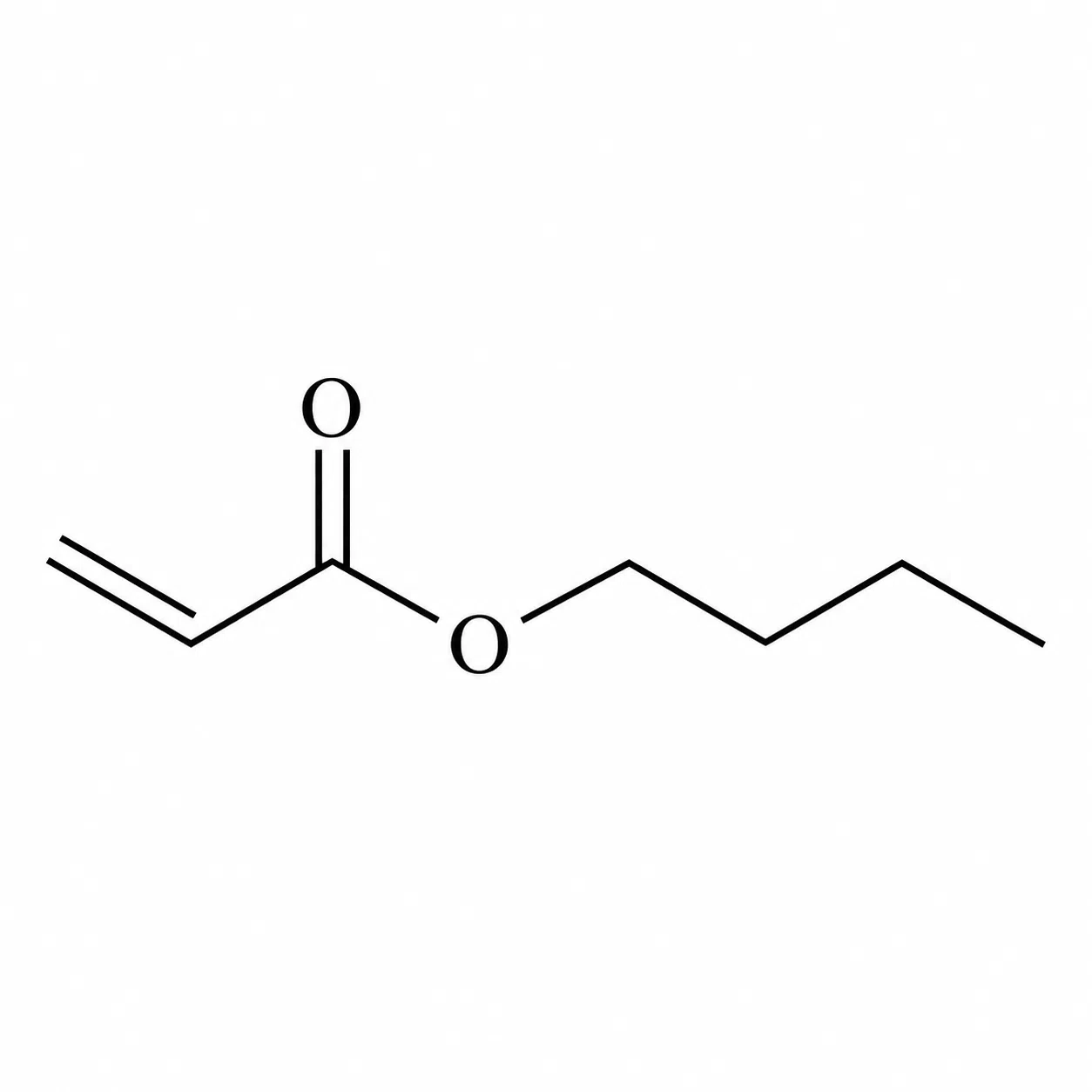
Butyl Acrylate (BA) is an important acrylic ester and reactive monomer widely used in the production of polymers, coatings, adhesives, synthetic fibers, rubber, and plastics. It also serves as an important intermediate in organic synthesis.
In the coatings industry, butyl acrylate is widely used as a monomer for manufacturing acrylic resins and coatings, providing desirable flexibility, adhesion, and weather resistance.
In the adhesives industry, it is used in the production of acrylic adhesives and pressure-sensitive adhesives. It is also used in the manufacture of emulsifiers, polymer dispersions, and other specialty chemical products.
In the paper industry, butyl acrylate can be used in polymer formulations for paper strengthening and surface treatment, helping improve the performance of paper products.
Production Method
Commercial butyl acrylate is primarily produced through the direct esterification of acrylic acid with n-butanol. The reaction is typically carried out in the presence of an acidic catalyst, followed by water removal to shift the reversible esterification equilibrium toward butyl acrylate formation.
The resulting product is then subjected to separation, purification, and refining processes to obtain butyl acrylate meeting the required industrial specifications.
Due to its excellent polymerization characteristics and versatile downstream applications, butyl acrylate is an important monomer in the acrylic chemical industry and is widely used in coatings, adhesives, textiles, paper processing, plastics, and other industrial sectors.
Product Parameters
| Melting point | -69 °C |
| Boiling point | 61-63 °C60 mm Hg(lit.) |
| density | 0.894 g/mL at 25 °C(lit.) |
| vapor density | >1 (vs air) |
| vapor pressure | 3.3 mm Hg ( 20 °C) |
| refractive index | n20/D 1.410(lit.) |
| Fp | 63 °F |
| storage temp. | Store below +30°C. |
| solubility | 1.7g/l |
| form | Liquid |
| color | Clear Colorless |
| Odor | Fruity |
| Odor Threshold | 0.00055ppm |
| explosive limit | 1.1-7.8%(V) |
| Water Solubility | 1.4 g/L (20 ºC) |
| Sensitive | Light Sensitive |
| Merck | 14,1539 |
| BRN | 1749970 |
| Exposure limits | TLV-TWA 10 ppm (~55 mg/m3) (ACGIH). |
| Stability: | Stable. Flammable. Incompatible with strong oxidizing agents, strong acids, strong bases. |
| InChIKey | CQEYYJKEWSMYFG-UHFFFAOYSA-N |
| LogP | 2.38 at 25℃ |
| CAS DataBase Reference | 141-32-2(CAS DataBase Reference) |
| NIST Chemistry Reference | 2-Propenoic acid, butyl ester(141-32-2) |
| IARC | 3 (Vol. 39, Sup 7, 71) 1999 |
| EPA Substance Registry System | Butyl acrylate (141-32-2) |
Safety Information
| Hazard Codes | F,Xn,Xi |
| Risk Statements | 11-20/21/22-37/38-43-52/53-36/37/38-10 |
| Safety Statements | 16-25-37-61-9-36/37-26 |
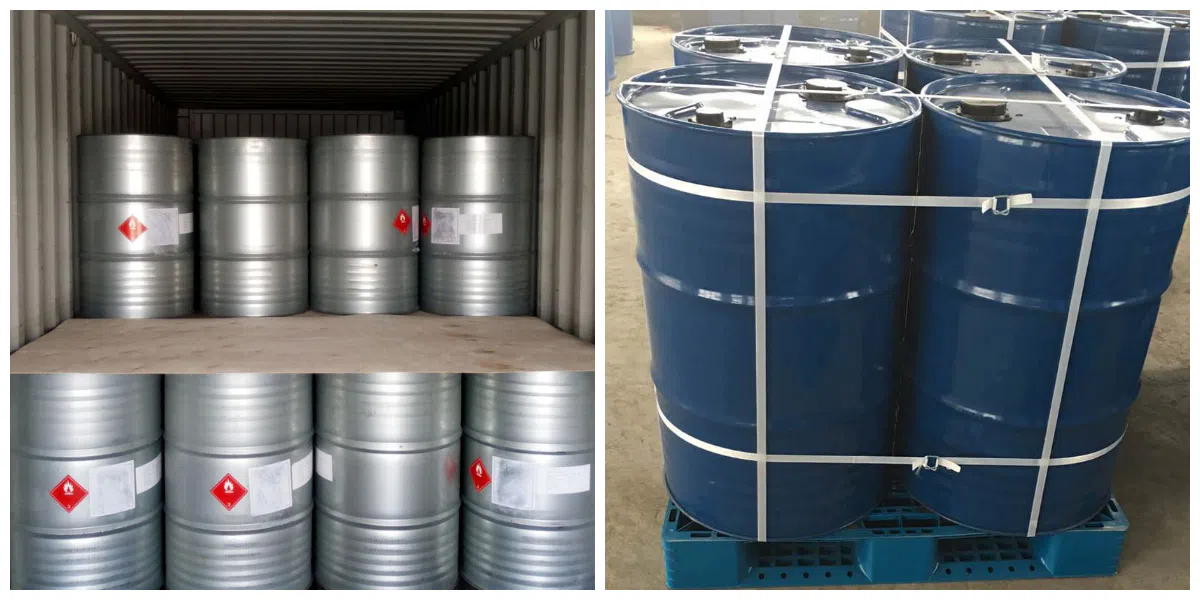
| RIDADR | UN 1993 3/PG 2 |
| WGK Germany | 2 |
| RTECS | UD3150000 |
| F | 10 |
| Autoignition Temperature | 559 °F |
| TSCA | Yes |
| HazardClass | 3 |
| PackingGroup | III |
| HS Code | 29161230 |
| Hazardous Substances Data | 141-32-2(Hazardous Substances Data) |
| Toxicity | LD50 orally in rats: 3.73 g/kg (Smyth) |
| IDLA | 113 ppm |
Application Scenarios
Butyl Acrylate (BA) is a highly reactive and versatile acrylic monomer widely used in polymer synthesis. As a relatively soft monomer, it can copolymerize with a wide range of functional and hard monomers, allowing manufacturers to tailor properties such as flexibility, hardness, durability, viscosity, and glass transition temperature (Tg).
Butyl acrylate can be used to produce emulsion polymers, water-soluble copolymers, crosslinked polymers, and other acrylic materials with different performance characteristics.
Main Application Areas
· Coatings: Widely used in acrylic resins, architectural coatings, industrial coatings, and protective coatings to improve flexibility, adhesion, weather resistance, and durability.
· Adhesives: Used in the production of acrylic adhesives, pressure-sensitive adhesives, and textile adhesives, providing good flexibility and bonding performance.
· Textiles and Synthetic Fibers: Used in textile treatment formulations and polymer systems for fiber processing and textile finishing.
· Superabsorbent Materials: Used as a monomer or intermediate in the production of certain high-absorbency polymer materials.
· Chemical Additives: Used in the manufacture of polymer-based dispersants, flocculants, thickeners, and other functional additives.
· Synthetic Rubber: Applied in the production and modification of synthetic rubber and elastomeric materials.
· Polymer Modification: Butyl acrylate is also used to modify polymers such as MMA-based and MBS resins, helping adjust flexibility, impact resistance, processing characteristics, and other material properties.
With its excellent copolymerization performance and broad compatibility with other monomers, butyl acrylate is an important acrylic monomer for producing high-performance polymers and specialty materials across multiple industries.