
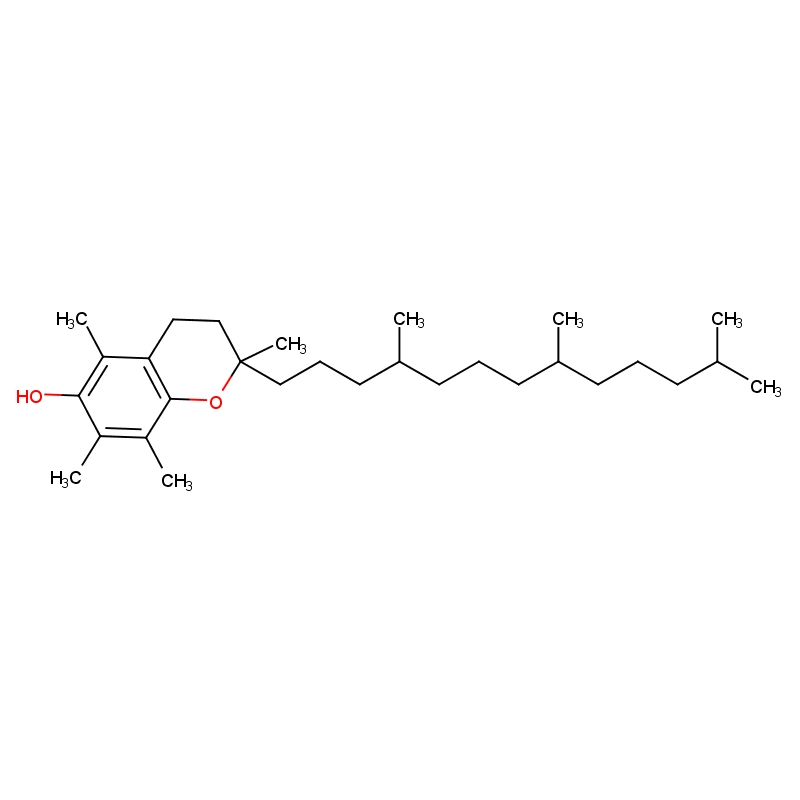
Product Description
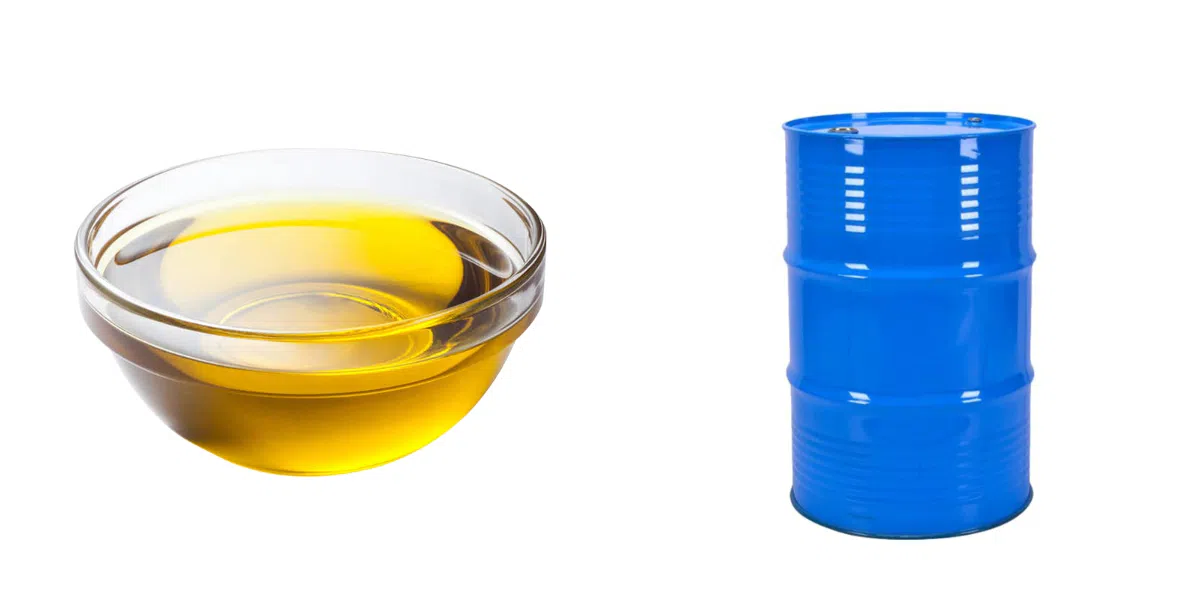
Natural Vitamin E, commonly identified as D-α-tocopherol, is typically a clear, pale yellow to amber or brownish-red oily liquid with a characteristic mild odor. It is soluble in ethanol, acetone, ether, chloroform, and vegetable oils, but practically insoluble in water.
As a fat-soluble antioxidant, Vitamin E helps protect lipids from oxidation. However, it may gradually oxidize and undergo color changes when exposed to air, light, or unsuitable storage conditions. Proper packaging and storage are therefore important for maintaining product quality.
Natural Vitamin E is widely used in dietary supplements, food applications where permitted, and cosmetic formulations. In skin-care products, it is valued for its antioxidant and skin-conditioning properties. In nutritional formulations, it serves as a source of Vitamin E, an essential nutrient that supports normal physiological functions. Its specific properties and applications depend on the product grade, purity, formulation, and intended use.
Product Parameters
| Name | Vitamin E |
| CAS | 21590 |
| CID | 14985 |
| EINECS(EC#) | 218-197-9 |
| Molecular Formula | C29H50O2 (isomer) |
| Inchi | InChI=1S/C29H50O2/c1-20(2)12-9-13-21(3)14-10-15-22(4)16-11-18-29(8)19-17-26-25(7)27(30)23(5)24(6)28(26)31-29/h20-22,30H,9-19H2,1-8H3/t21-,22-,29-/m1/s1 |
| InChIkey | GVJHHUAWPYXKBD-IEOSBIPESA-N |
| Canonical Smiles | CC1=C(C2=C(CCC(O2)(C)CCCC(C)CCCC(C)CCCC(C)C)C(=C1O)C)C |
| Isomers Smiles | CC1=C(C2=C(CC[C@@](O2)(C)CCC[C@H](C)CCC[C@H](C)CCCC(C)C)C(=C1O)C)C |
| Density | 0.93 |
| Melting point | 2.5-3.5℃ |
| Boiling point | 200-220℃ (0.07501 mmHg) |
| Refractive index | n20/D 1.505(lit.) |
| Flash Point | 253 °C |
| Vapour Pressure | 0.0±1.2 mmHg at 25°C |
| Precise Quality | 430.381073 |
| PSA | 29.46 |
| logP | 8.8402 |
| Appearance | light yellow liquid |
| Chemical Properties | light yellow liquid |
| Color/Form | Oil |
| Odo | Little or no odo |
| pKa | 11.40±0.40(Predicted) |
| Water Solubility | Practically insoluble in water, freely soluble in acetone, in anhydrous ethanol, in methylene chloride and in fatty oils. |
| Spectral Properties | MAX ABSORPTION (METHANOL): 292 NM (LOG E= 3.54); DECOMP @ 350 DEG C; SADTLER REF NUMBER: 10277 (IR, PRISM) |
| IR: 18246 (Sadtler Research Laboratories IR Grating Collection) | |
| UV: 20771 (Sadtler Research Laboratories Spectral Collection) | |
| NMR: 366 (Varian Associates NMR Spectra Catalogue) | |
| MASS: 33141 (NIST/EPA/MSDC Mass Spectral database, 1990 version) | |
| Specific optical rotation: +0.65 at 25 deg C/D (alc) | |
| Stability | Stable. Combustible. May be sensitive to light and air. Incompatible with strong oxidizing agents. |
| StorageTemp | -20°C |
Application Scenarios
Skin Care and Cosmetic Formulations: Natural Vitamin E is widely used in skin-care products for its antioxidant and skin-conditioning properties. It helps protect skin lipids from oxidative damage and supports skin moisturization.
Nutritional Support: Vitamin E is an essential fat-soluble nutrient that contributes to protecting cells from oxidative stress and supporting normal physiological functions.
Food and Dietary Supplement Applications: Natural Vitamin E is used in dietary supplements and in selected food formulations, where permitted, as a nutritional ingredient and antioxidant.
Applications in Specialized Nutritional Formulations: Vitamin E may be included in nutritional products designed to address or prevent vitamin E deficiency. Specific uses, dosage, and suitability should be determined according to professional guidance and applicable regulations.