Product Description
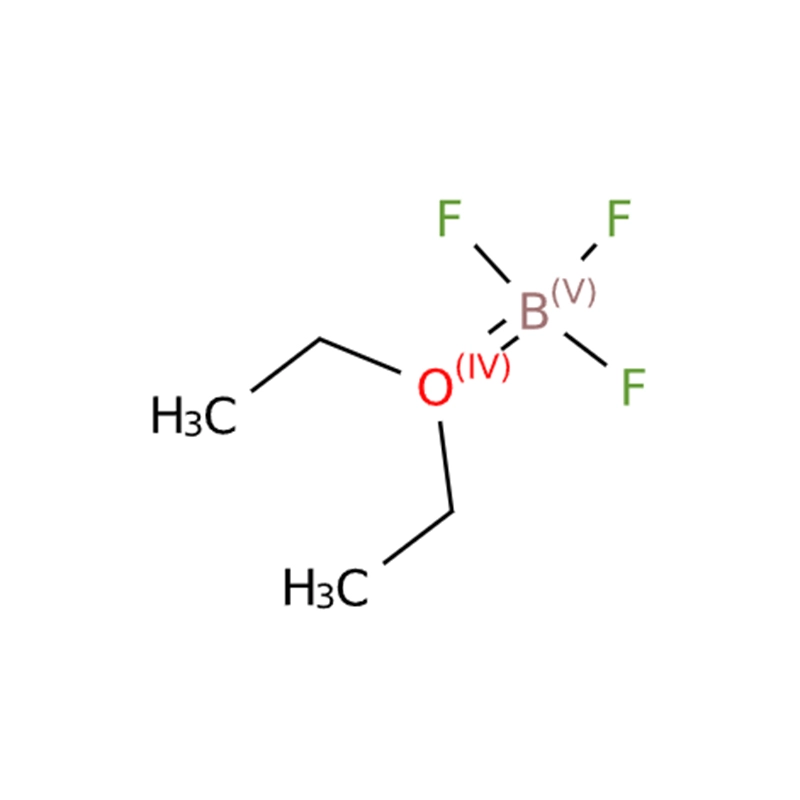
Boron Trifluoride Diethyl Etherate is a mature, high-activity Lewis acid complex catalyst. Optimized from gaseous boron trifluoride, it overcomes the drawbacks of gaseous raw materials and retains powerful catalytic performance. Its versatile complexing capacity makes it a fundamental catalyst in fine chemical synthesis.
Product Parameters
| Melting point | −58 °C(lit.) |
| Boiling point | 126-129 °C(lit.) |
| Density | 1.15 g/mL(lit.) |
| Vapor density | 4.9 (vs air) |
| Vapor pressure | 4.2 mm Hg ( 20 °C) |
| Refractive index | n20/D 1.344(lit.) |
| Fp | 118 °F |
| Storage temp. | Store below +30°C. |
| Solubility | Miscible with ether and alcohol. |
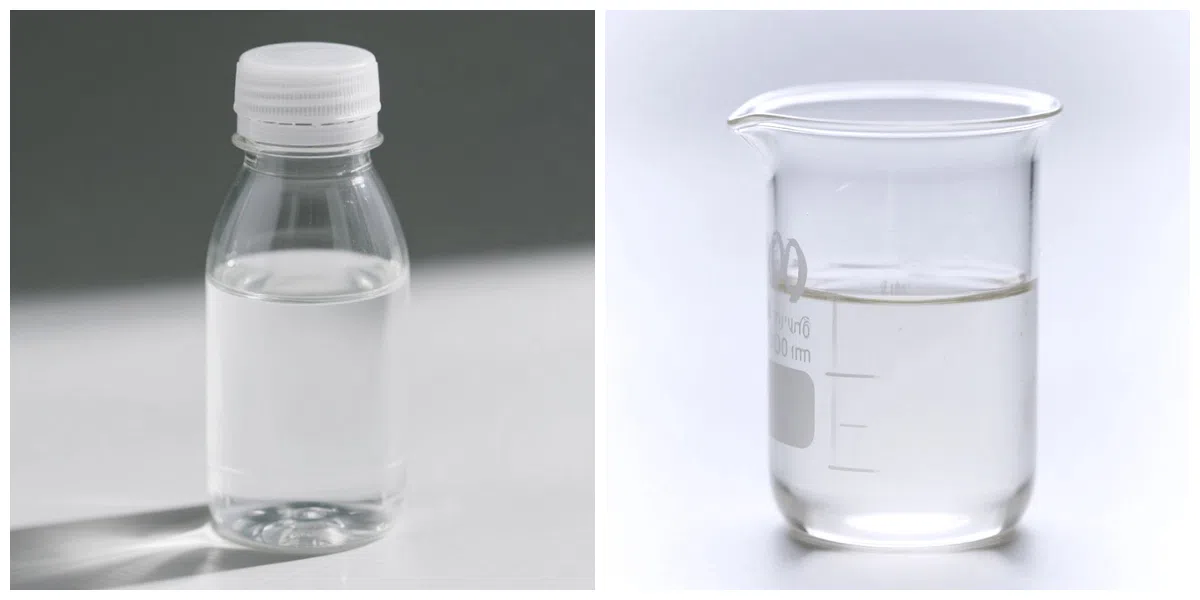
| Form | liquid |
| Specific Gravity | 1.126 (20/4℃) |
| Color | brown |
| Explosive limit | 5.1-18.2%(V) |
| Water Solubility | Reacts |
| Sensitive | Moisture Sensitive |
| Hydrolytic Sensitivity | 7: reacts slowly with moisture/water |
| Merck | 141,350 |
| BRN | 3909607 |
| Exposure limits | ACGIH: TWA 0.1 ppm; Ceiling 0.7 ppm |
| Stability | Stable. Highly flammable. May form explosive peroxides in contact with air or oxygen. Reacts exothermically with water to form extremely flammable diethyl ether and toxic, corrosive boron trifluoride hydrates. Also incompatible with bases, amines, alkali metals. |
| InChIKey | MZTVMRUDEFSYGQ-UHFFFAOYSA-N |
| CAS DataBase Reference | 109-63-7(CAS DataBase Reference) |
| NIST Chemistry Reference | Boron trifluoride etherate(109-63-7) |
| EPA Substance Registry System | Boron, trifluoro[1,1'-oxybis[ethane]]-, (T-4)- (109-63-7) |
Safety Information
| Hazard Codes | T,C |
| Risk Statements | 10-14-20/22-35-48/23-34-14/15-23-22 |
| Safety Statements | 16-23-26-36/37/39-45-8-28A-43 |
| RIDADR | UN 2604 8/PG 1 |
| WGK Germany | 3 |
| F | 10 |
| Autoignition Temperature | 185 °C DIN 51794 |
| TSCA | Yes |
| HazardClass | 8 |
| PackingGroup | I |
| HS Code | 29319090 |
| Hazardous Substances Data | 109-63-7(Hazardous Substances Data) |
Application Scenarios
It serves as a core cationic polymerization catalyst, widely applied in the production of polyformaldehyde and butadiene rubber. Beyond catalytic synthesis, it acts as a critical raw material for boron isotope separation and preparation of high-energy boron-hydrogen fuels and functional dyes, supporting high-end chemical and new material manufacturing.