
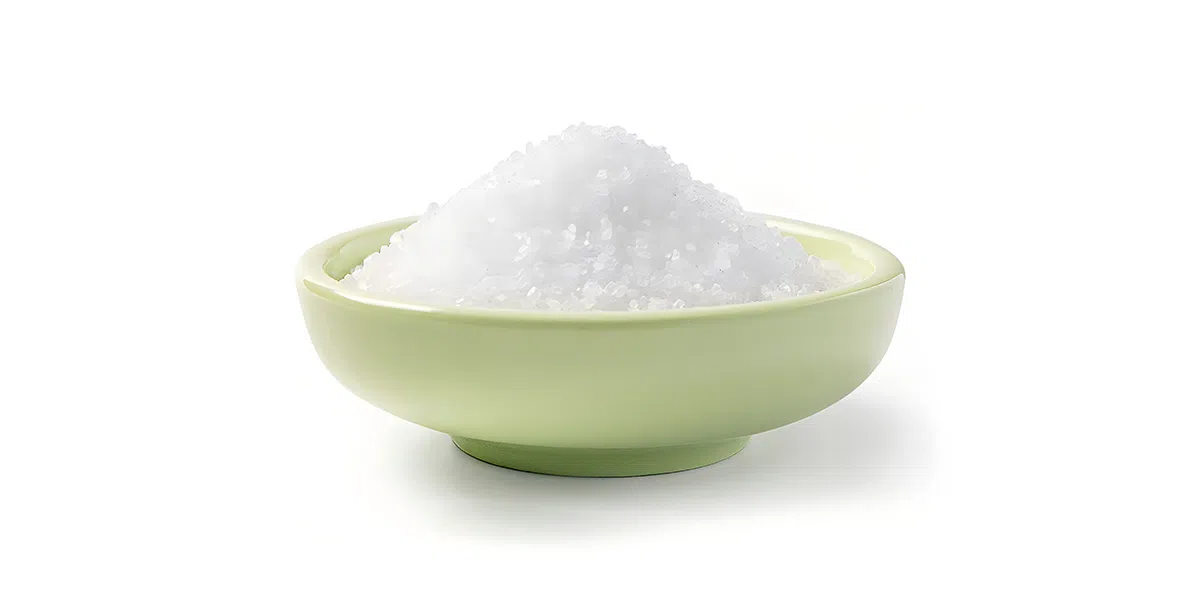
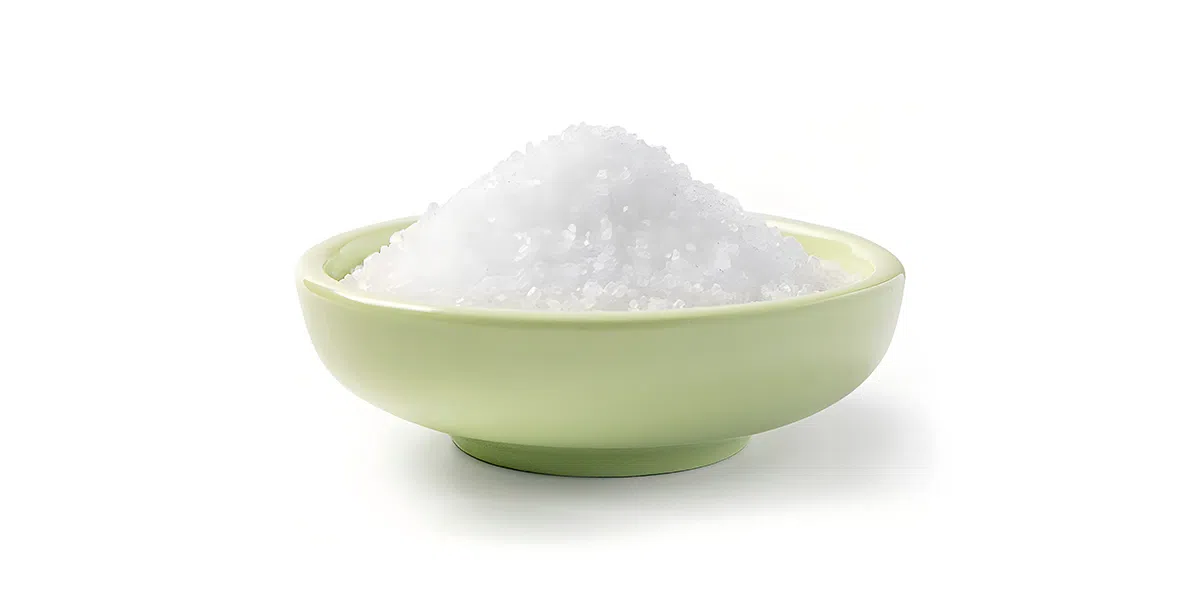
Citric Acid (CAS No. 77-92-9) is one of the most widely used organic acids worldwide. Commonly supplied in anhydrous and monohydrate grades, it appears as a white crystalline powder and offers multiple functional properties, including acidity regulation, buffering, metal chelation, and antioxidant synergism.
These properties allow citric acid to serve a wide range of applications, from food and beverages to animal feed, pharmaceuticals, personal care, and industrial processing.
1. Food & Beverage Industry
The food and beverage industry is the largest consumption area for citric acid. Food-grade citric acid (INS 330) is widely used as an acidulant, acidity regulator, flavor modifier, and chelating agent.
In beverages such as carbonated drinks, fruit juices, tea drinks, and functional beverages, it helps adjust acidity and enhance flavor. In confectionery, jellies, jams, canned foods, bakery products, and frozen foods, citric acid can improve taste and help maintain product quality.
Its ability to bind metal ions also helps reduce unwanted color and quality changes caused by metal-catalyzed reactions. Citric acid can be combined with sodium citrate to create buffer systems for specific formulations.
Applications and dosage levels should comply with applicable food regulations, including China's GB 2760, EU Regulation 1333/2008, and relevant U.S. FDA requirements.
2. Animal Feed
Citric acid is used as an acidifier in livestock, poultry, and aquaculture feed. By lowering pH in feed and the gastrointestinal environment, it can help create conditions less favorable to certain undesirable microorganisms.
Citric acid can also chelate trace minerals and support mineral utilization, making it a useful component in feed formulations for pigs, poultry, and aquatic animals.
3. Cosmetics & Personal Care
In personal care formulations, citric acid functions primarily as a pH adjuster and chelating agent.
It is commonly found in products such as facial cleansers, body washes, shampoos, facial masks, and toothpaste. By binding calcium and magnesium ions in hard water, it can help improve formulation performance, while appropriate pH adjustment can also support the effectiveness of preservative systems.
4. Pharmaceutical Applications
Citric acid is widely used as a pharmaceutical excipient in different formulations.
It is a key component of effervescent tablets, where it reacts with bicarbonates to generate carbon dioxide. It can also be used for pH adjustment and buffering in oral liquids and topical preparations.
Additional applications include certain dialysis formulations and laboratory reagents, depending on the required formulation and regulatory specifications.
5. Industrial Applications
Technical-grade citric acid offers a range of applications in industrial processes.
Metal Cleaning & Descaling: Citric acid can remove scale and metal oxides from boilers, heat exchangers, pipelines, and other equipment. Its relatively mild nature makes it an alternative to certain stronger inorganic acids in suitable cleaning applications.
Water Treatment & Electroplating: As a chelating agent, citric acid can bind calcium, magnesium, iron, and certain heavy-metal ions. It is used in selected water-treatment and electroplating processes for metal-ion control and scale management.
Construction Materials: Citric acid can act as a concrete and cement retarder, helping control setting time during construction and material processing.
Textile & Dyeing: It is used for pH adjustment and metal-ion chelation in textile processing, helping improve process stability and reduce unwanted discoloration.
Detergents: Citric acid is used in phosphorus-free cleaning formulations to bind hardness ions and support washing performance.
6. Other Applications
Beyond these major sectors, citric acid is also used in soil conditioning and as a chemical intermediate in the production of certain biodegradable materials and polymers.
A Multifunctional Organic Acid
The broad application range of citric acid comes from its combination of acidification, buffering, chelating, and formulation-support properties. From everyday food and personal care products to specialized industrial processes, citric acid continues to play an important role as a versatile functional chemical.
The appropriate grade and concentration should be selected according to the intended application, formulation requirements, and applicable regulatory standards.


