
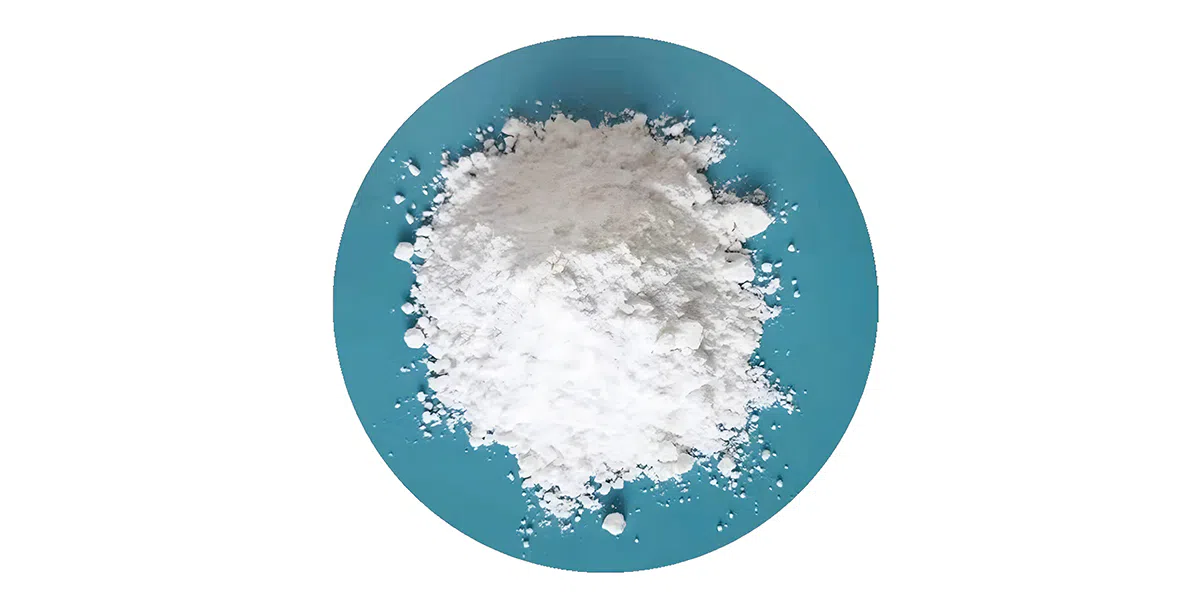
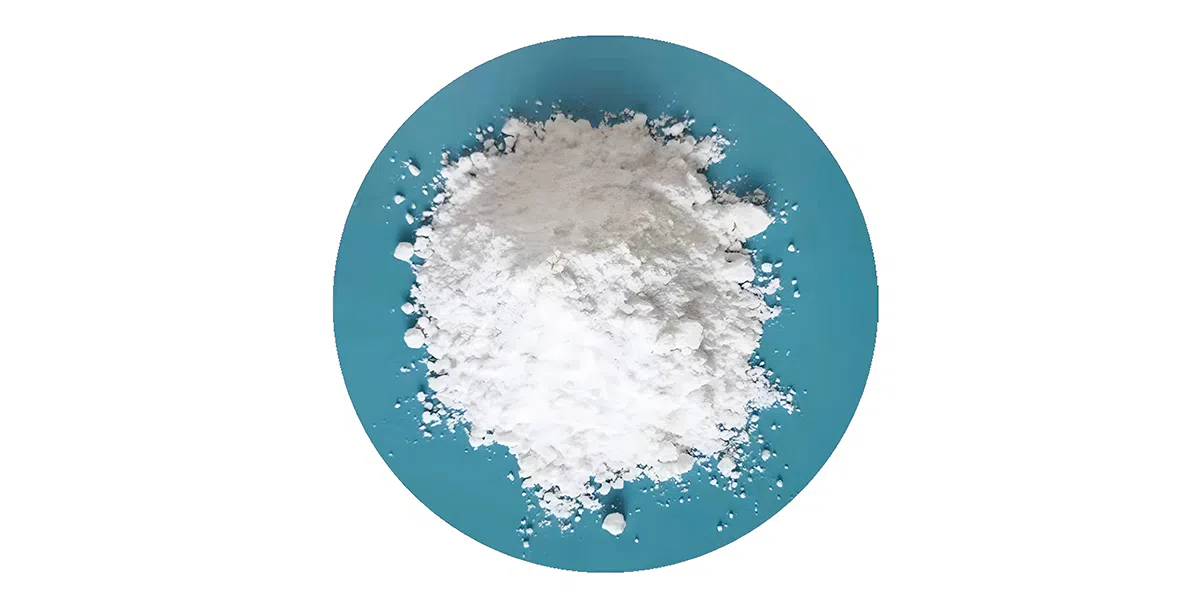
Sorbic Acid (CAS No. 110-44-1), also known as 2,4-Hexadienoic Acid, is a white crystalline powder with weak acidity and broad antimicrobial activity. It is particularly effective against molds, yeasts, and certain aerobic bacteria, with optimal antimicrobial performance generally achieved in formulations with a pH below 6.5.
Due to its effective microbial control, good compatibility, and limited impact on product flavor and sensory properties, sorbic acid is widely used in food preservation and various industrial applications.
1. Food & Beverage Industry
The food and beverage industry is the largest application area for sorbic acid. Food-grade sorbic acid (INS 200) is widely used as a preservative in bakery products, jams and preserves, pickled vegetables, fruit beverages, wine, cheese, processed meat, and condiments.
It helps inhibit mold growth and yeast fermentation, thereby extending product shelf life while having minimal influence on flavor and taste. Sorbic acid can be used directly or converted into sorbate salts, such as potassium sorbate, for use in different preservation systems.
The permitted applications and dosage levels must comply with the relevant food regulations in each market, such as China's GB 2760, EU Regulation 1333/2008, and applicable U.S. FDA requirements.
2. Animal Feed Preservation
Sorbic acid is also used in livestock, poultry, and aquaculture feed to control mold growth during storage.
By helping inhibit fungal growth, it can reduce feed spoilage, caking, and storage losses while helping maintain the quality and nutritional value of feed ingredients.
3. Cosmetics & Personal Care
In cosmetics and personal care products, sorbic acid can serve as a preservative component in formulations such as lotions, creams, shampoos, facial masks, and mouthwashes.
It is particularly suitable for mildly acidic formulations and helps control microbial contamination during storage and after products are opened, supporting product stability and shelf life.
4. Pharmaceutical Applications
Sorbic acid can be used as a pharmaceutical excipient and preservative in certain formulations, including oral liquids and topical preparations.
Its antimicrobial properties help control microbial contamination and maintain the microbiological quality of suitable pharmaceutical products.
5. Fine-Chemical Synthesis
Technical-grade sorbic acid is also used as an organic intermediate in the chemical industry. It can be involved in the production of plasticizers, lubricant additives, coating chemicals, and other specialty chemical products.
Additional applications include latex and rubber processing, as well as microbial control in selected industrial water-based systems.
A Versatile Preservative and Chemical Intermediate
From food preservation and animal feed protection to applications in cosmetics, pharmaceuticals, and fine-chemical synthesis, sorbic acid serves a broad range of industries.
Its antimicrobial performance, particularly in mildly acidic systems, makes it a valuable ingredient for manufacturers seeking effective microbial control and reliable formulation performance. Product grade and application levels should always be selected according to the specific formulation requirements and applicable local regulations.


