
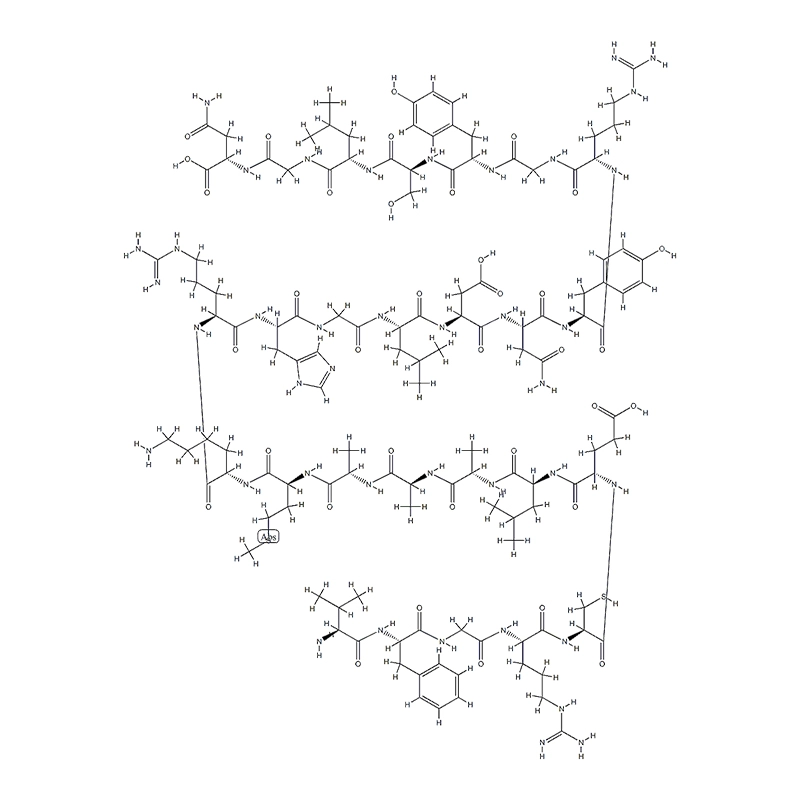
Product Description
Lysozyme is a naturally occurring enzyme belonging to the glycoside hydrolase family. It is found in various animal tissues and organs, as well as in biological fluids such as tears, nasal secretions, and cervical mucus. Egg white is another well-known source of lysozyme.
Lysozyme exhibits antibacterial activity by hydrolyzing the β-1,4-glycosidic bonds between N-acetylmuramic acid (NAM) and N-acetylglucosamine (NAG) in the peptidoglycan layer of susceptible bacterial cell walls. This enzymatic action weakens cell wall integrity and can lead to bacterial cell lysis under suitable conditions.
Owing to its targeted mode of action, lysozyme is used in selected food preservation, pharmaceutical, and biotechnology applications, subject to product specifications and applicable regulatory requirements.
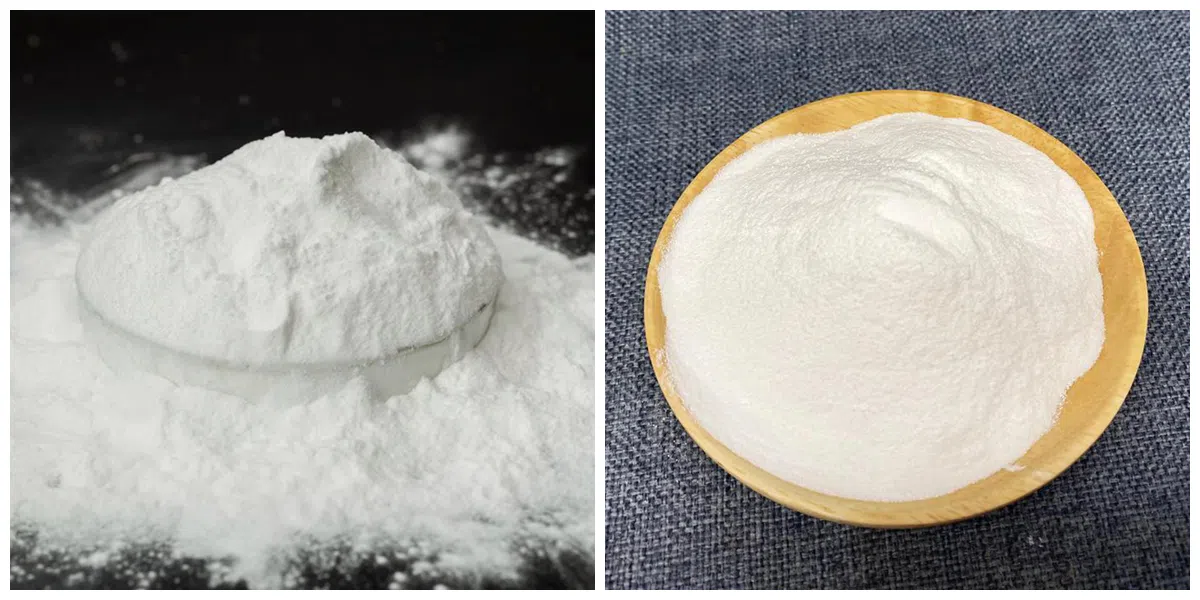
Product Parameters
| vapor pressure | 0Pa at 25℃ |
| storage temp. | -20°C |
| form | powder |
| color | white |
| PH | pH(15g/l, 25℃) : 3.0~5.0 |
| biological source | chicken egg white |
| Water Solubility | Soluble in water at 10mg/ml. |
| Specific Activity | 8000-120000U/mg |
| Absorption | 3.9 at 280nm (10 mg enzyme/ml) |
Safety Information
| Hazard Codes | B |
| Safety Statements | 23-24/25-22 |
| WGK Germany | 3 |
| RTECS | OL5989850 |
| F | 3-10 |
| HS Code | 35079090 |
| Toxicity | mouse,LD50,intraperitoneal,5800mg/kg (5800mg/kg),BEHAVIORAL: CHANGES IN MOTOR ACTIVITY (SPECIFIC ASSAY)LUNGS, THORAX, OR RESPIRATION: RESPIRATORY DEPRESSIONBEHAVIORAL: ATAXIA,Oyo Yakuri. Pharmacometrics. Vol. 21, Pg. 587, 1981. |
Application Scenarios
Lysozyme catalyzes the hydrolysis of peptidoglycan in susceptible bacterial cell walls, disrupting their structural integrity and potentially causing cell lysis. In microbiological research, it is used to facilitate the preparation of bacterial spheroplasts or protoplasts, depending on the bacterial species and treatment conditions.
In the food industry, lysozyme is used as a preservative to inhibit the growth of certain spoilage microorganisms and susceptible bacteria. It can help maintain product quality and extend shelf life in suitable food applications, subject to formulation requirements and applicable food safety regulations.