
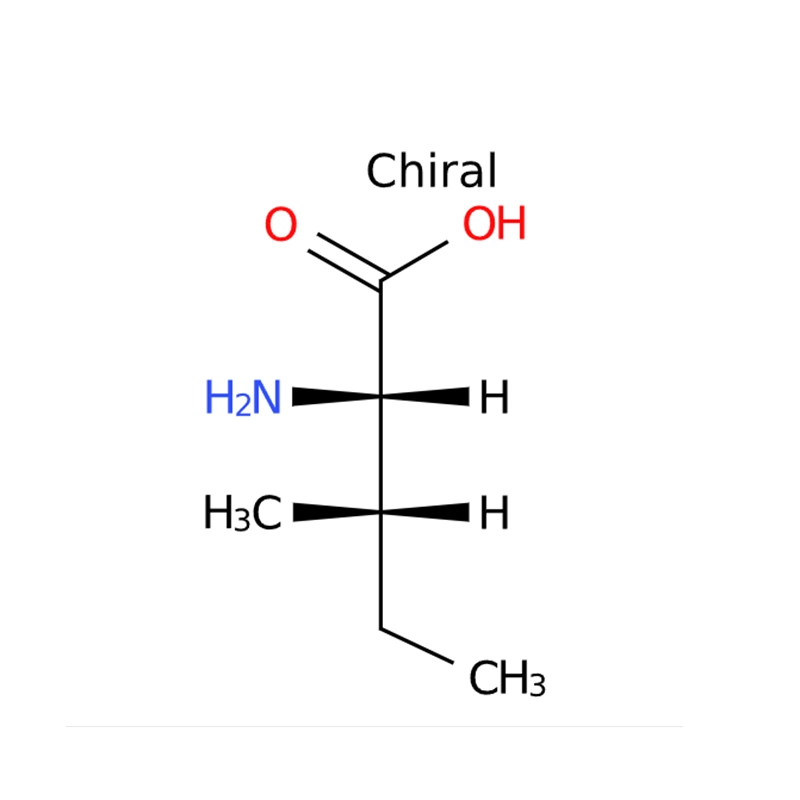
Product Description
L-Isoleucine (CAS No. 73-32-5) is an essential branched-chain amino acid (BCAA) and an isomer of leucine. As the human body cannot synthesize it, L-Isoleucine must be obtained through dietary sources or nutritional supplementation.
L-Isoleucine plays an important role in protein synthesis, energy metabolism, and normal physiological function. It contributes to the maintenance and repair of muscle tissue and is involved in regulating glucose metabolism. It also supports hemoglobin synthesis and normal red blood cell function.
Due to its nutritional properties, L-Isoleucine is widely used in sports nutrition products, amino acid supplements, and specialized nutritional formulations. It is particularly relevant to products designed to support muscle maintenance, exercise nutrition, and recovery as part of a balanced diet and appropriate training program.
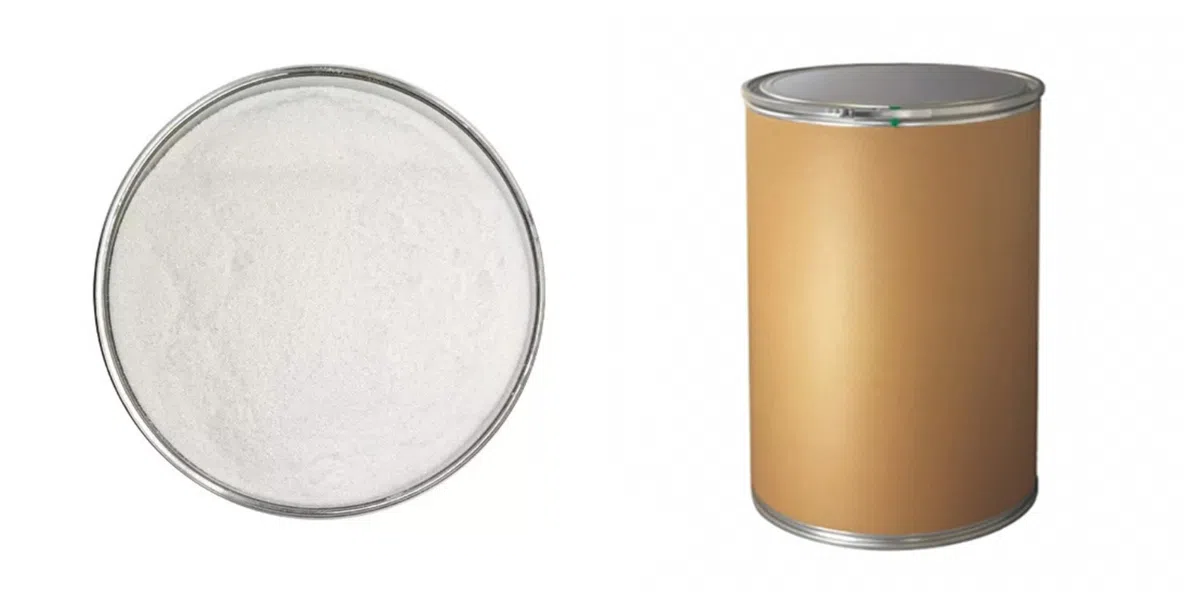
Product Parameters
| Melting point | 288 °C (dec.) (lit.) |
| Alpha | 41 º (c=4, 6N HCl) |
| Boiling point | 225.8±23.0 °C(Predicted) |
| Bulk density | 470kg/m3 |
| Density | 1.2930 (estimate) |
| FEMA | 4675 | L-ISOLEUCINE |
| Refractive index | 40.5 ° (C=4, 6mol/L HCl) |
| Fp | 168-170°C |
| Storage temp | Store below +30°C |
| Solubility | 1 M HCl: 50 mg/mL |
| Form | powder |
| Pka | 2.32, 9.76(at 25℃) |
| Color | White to Off-white |
| Odor | odorless |
| PH | 5.5-6.5 (40g/l, H2O, 20℃) |
| Biological source | synthetic |
| Optical Rotation | [α]20/D +41.0±1°, c = 5% in 6 M HCl |
| Water Solubility | 41.2 g/L (50 ºC) |
| λmax | λ: 260 nm Amax: 0.07 λ: 280 nm Amax: 0.05 |
| JECFA Number | 2118 |
| Merck | 14,5179 |
| Sublimation | 168-170 ºC |
| BRN | 1721792 |
| InChIKey | AGPKZVBTJJNPAG-WHFBIAKZSA-N |
| LogP | 0.80 |
| CAS DataBase Reference | 73-32-5(CAS DataBase Reference) |
| NIST Chemistry Reference | Isoleucine(73-32-5) |
| EPA Substance Registry System | L-Isoleucine (73-32-5) |
Safety Information
| Hazard Codes | Xn |
| Risk Statements | 40 |
| Safety Statements | 24/25-36-22 |
| WGK Germany | 3 |
| RTECS | NR4705000 |
| TSCA | Yes |
| HS Code | 29224995 |
| Hazardous Substances Data | 73-32-5(Hazardous Substances Data) |
| Toxicity | LD50 intraperitoneal in rat: 6822mg/kg |
Application Scenarios
L-Isoleucine is an essential branched-chain amino acid (BCAA) widely used in nutrition, food formulation, animal feed, and biochemical research. As an important component of protein synthesis and energy metabolism, it serves as a valuable ingredient in various nutritional and industrial applications.
1. Sports Nutrition and Dietary Supplements
L-Isoleucine is used in BCAA supplements, amino acid blends, and sports nutrition formulations. It helps meet essential amino acid requirements and supports muscle protein synthesis and maintenance as part of a balanced nutritional program.
2. Food and Nutritional Formulations
L-Isoleucine can be incorporated into selected fortified foods, protein powders, and specialized nutritional products to improve their amino acid composition, subject to applicable food regulations and formulation requirements.
3. Animal Feed
L-Isoleucine is used in animal nutrition formulations to help balance dietary amino acid profiles and meet the nutritional requirements of livestock and poultry. Appropriate supplementation can support normal growth, feed utilization, and protein metabolism when included in a properly balanced diet.
4. Pharmaceutical and Clinical Nutrition
L-Isoleucine may be used as a component of amino acid mixtures and specialized nutritional formulations. Its suitability for pharmaceutical or clinical applications depends on product purity, manufacturing standards, formulation requirements, and applicable regulations.
5. Biotechnology and Biochemical Research
L-Isoleucine is used in biochemical research, microbial culture media, and selected biotechnology applications where amino acids are required for protein synthesis, cell growth, or metabolic studies.