Product Description
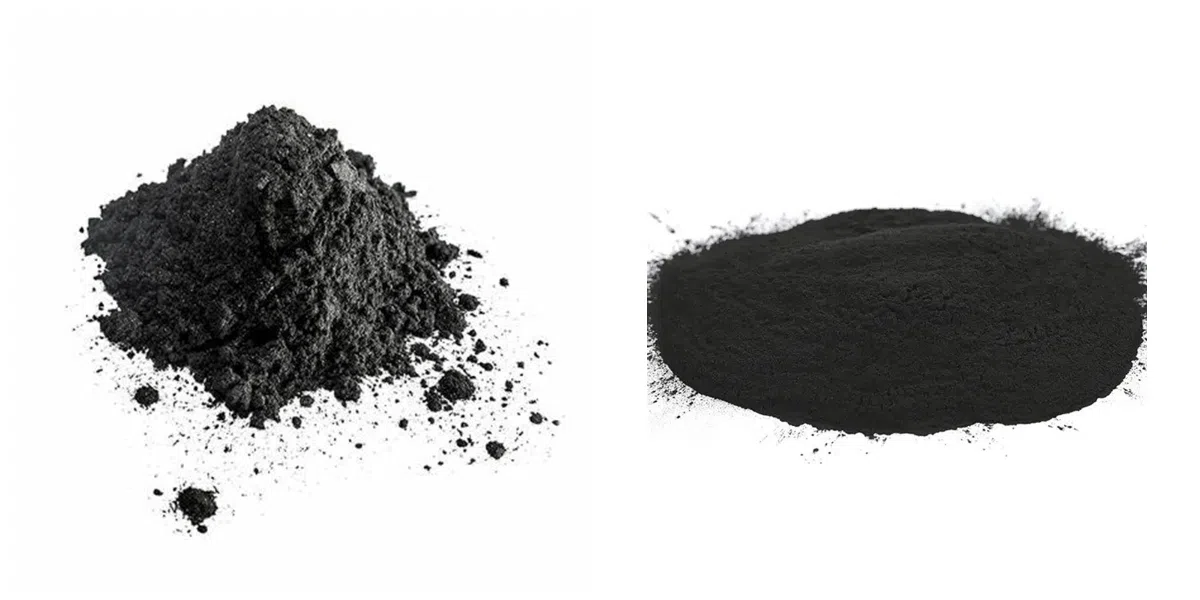
Palladium is a rare and soft transition metal belonging to the platinum group. Featuring stable chemical inertness, outstanding ductility and unique hydrogen absorption capacity, it integrates structural processability and functional catalytic properties. It is naturally found in nickel and copper ores and has become an indispensable key material across catalysis, manufacturing and medical industries.
Product Parameters
| Melting point | 1554 °C(lit.) |
| Boiling point | 2970 °C(lit.) |
| Density | 1.025 g/mL at 25 °C |
| Storage temp. | No restrictions. |
| Solubility | Soluble in aqua regia |
| Form | Wire |
| Color | Silver-gray |
| Specific Gravity | 12.03 |
| Odor | Odorless |
| Resistivity | 9.96 μΩ-cm, 20°C |
| Water Solubility | INSOLUBLE |
| Merck | 146,989 |
| Exposure limits | ACGIH: TWA 1 mg/m3 |
| OSHA: TWA 15 mg/m3; TWA 5 mg/m3 | |
| Stability | Stable. Flammable - fine powder may cause fire or explosion in air. Incompatible with ozone, sodium tetrahydroborate, sulphur, arsenic. |
| InChIKey | KDLHZDBZIXYQEI-UHFFFAOYSA-N |
| CAS DataBase Reference | 7440-05-3(CAS DataBase Reference) |
| NIST Chemistry Reference | Palladium(7440-05-3) |
| EPA Substance Registry System | Palladium (7440-05-3) |
Safety Information
| Hazard Codes | T,F,Xi |
| Risk Statements | 61-33-37/38-40-41-36/37/38-11 |
| Safety Statements | 53-26-36/37/39-24/25-36-22 |
| RIDADR | UN 3089 4.1/PG 2 |
| WGK Germany | - |
| RTECS | RT3480500 |
| Autoignition Temperature | >1120 °F |
| TSCA | Yes |
| HazardClass | 4.1 |
| PackingGroup | III |
| HS Code | 28439000 |
| Hazardous Substances Data | 7440-05-3(Hazardous Substances Data) |
Toxicity | LD50 oral (rat) 200 mg/kg (palladium chloride) |
| LC50 intratracheal (rat) 6 mg/kg (palladium chloride) |
Application Scenarios
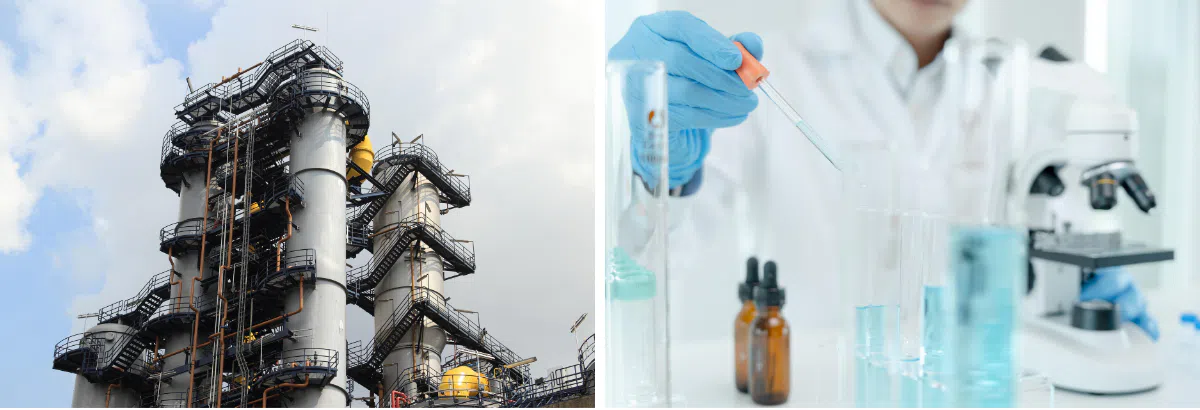
Catalytic Industry – It acts as a core catalyst for petroleum cracking, hydrogenation and dehydrogenation reactions. Widely adopted in Lindlar catalyst formulations and automotive exhaust catalytic converters, it effectively reduces vehicle hydrocarbon emissions.
Electronics & Precision Manufacturing – Used for producing high-performance spark plugs, precision electrical contacts, instrument springs and special alloy wires due to its stable conductivity and corrosion resistance.
Medical & Dental Field – Palladium-gold alloys are extensively applied in dental prosthetics, bone and joint repair, and porcelain bridge supports, offering reliable biocompatibility and structural stability.
Decoration & Special Industry – Serving as a premium jewelry and watchmaking material, it acts as an ideal substitute for gold. It is also usable in precision printing processes and carbon monoxide monitoring devices relying on its unique gas adsorption characteristics.