
Product Description
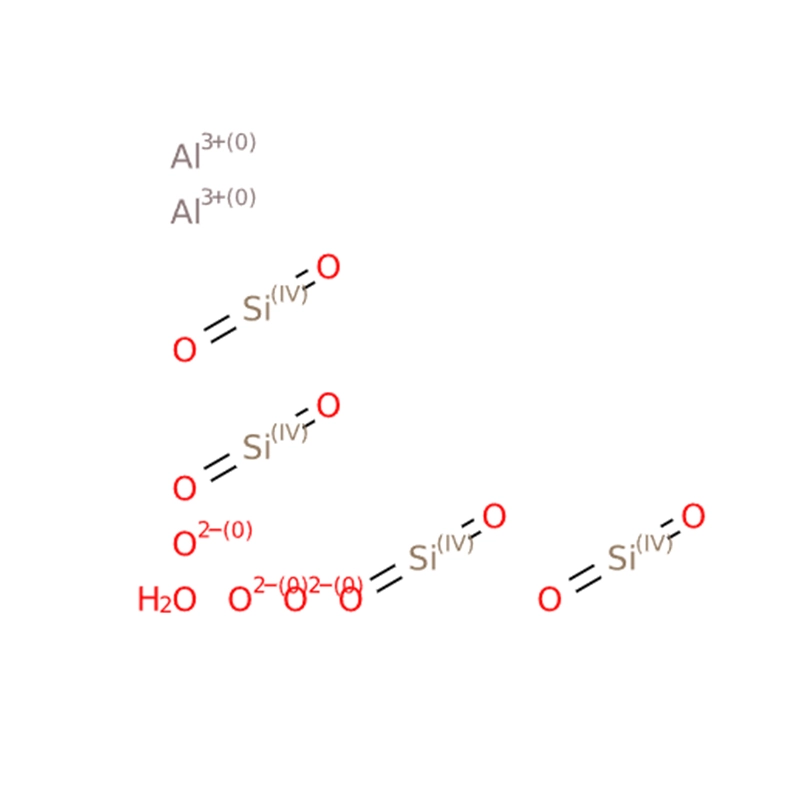
K-Catalyst is mainly montmorillonite, also referred to as collinite or microcrystalline kaolinite. This hydrated aluminosilicate clay takes its name from Montmorillon, France, where it was first discovered. Classified as a soft phyllosilicate, it forms micro-sized clay crystals via precipitation from aqueous solutions.
Belonging to the smectite mineral family, it adopts a typical 2:1 layered crystal architecture: two silica tetrahedral sheets enclose a central alumina octahedral sheet. Its plate-like platelets feature an average lateral diameter of roughly 1 μm and unit-layer thickness of 0.96 nm. Individual fine particles can only be observed under electron microscopy at about 25 000-fold magnification. Talc is among other representative minerals within the same broader mineral group.
Product Parameters
| Melting point | >300°C |
| density | 2-3 |
| storage temp. | Sealed in dry,Room Temperature |
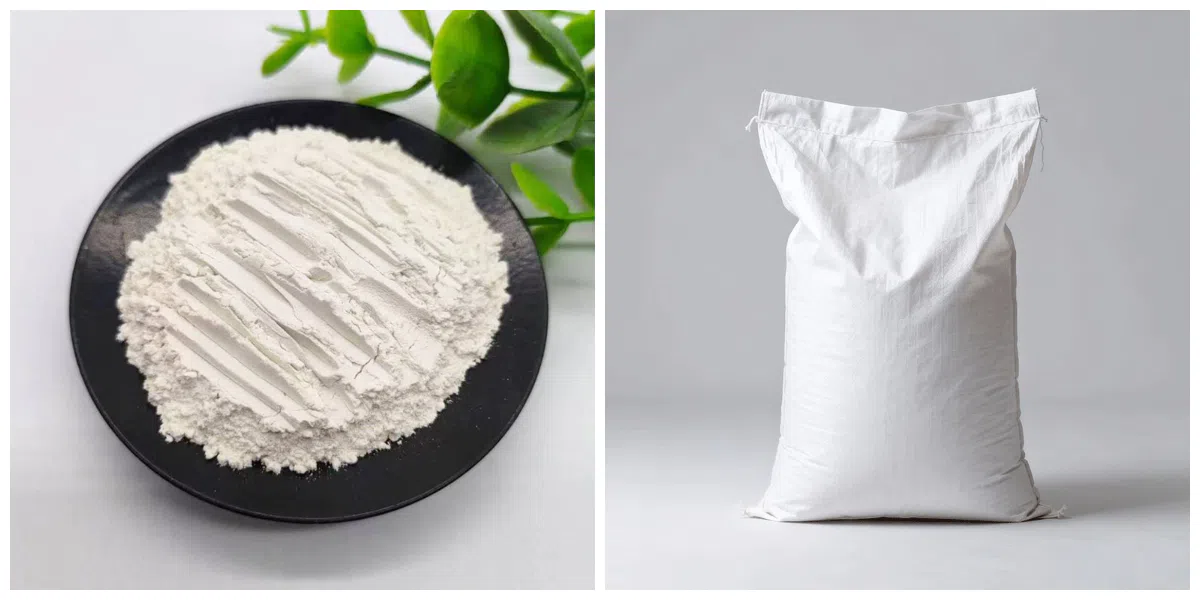
| form | powder |
| color | Beige to gray |
| PH | 2.8-3.8 |
| Water Solubility | Insoluble in water. |
| Merck | 146260 |
| EPA Substance Registry System | Montmorillonite ((Al1.33-1.67Mg0.33-0.67)(Ca0-1Na0-1)0.33Si4(OH)2O10.xH2O) (1318-93-0) |
| WGK Germany | 3 |
| RTECS | CT9450000 |
| TSCA | Yes |
| HS Code | 25084000 |
| Hazardous Substances Data | 1318-93-0(Hazardous Substances Data) |
Application Scenarios
K-CATALYST based on montmorillonite finds broad usage across human pharmaceuticals, animal feed, veterinary preparations and aquaculture sectors. Within livestock and poultry farming, this natural clay delivers diverse practical benefits: it assists in diarrhea management, adsorbs mycotoxins and harmful microbes, purifies water conditions, exhibits hemostatic and anti-inflammatory performance, and helps animals better cope with environmental stress. Boasting green, eco-friendly characteristics, the material features high biocompatibility without known toxic or adverse side effects.