Product Description
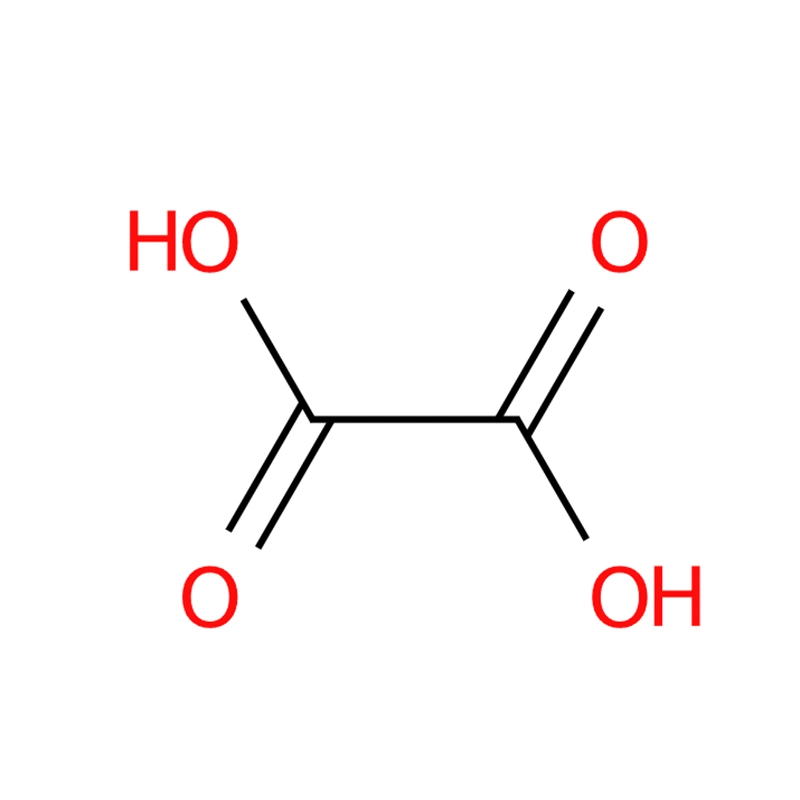
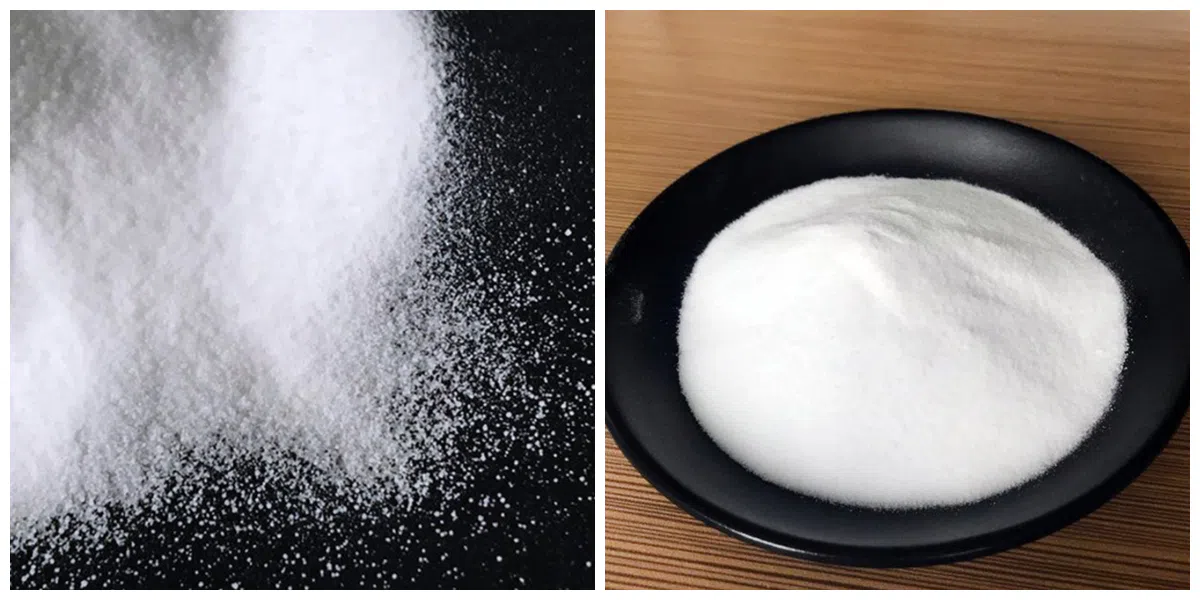
Oxalic Acid is the simplest dicarboxylic acid and typically exists as a colorless crystalline solid in its dihydrate form at room temperature. When heated to approximately 100.1°C, it loses its crystal water and becomes anhydrous.
Oxalic acid is hygroscopic and readily soluble in water and ethanol, while it is insoluble in solvents such as benzene and chloroform. It has a strong acidic character and readily forms soluble complexes with various metal ions, making it useful in a wide range of chemical and industrial applications.
Oxalic acid also acts as a powerful reducing agent and can be readily oxidized to carbon dioxide and water. For example, it reacts with potassium permanganate, reducing the permanganate and causing the solution to lose its characteristic purple color.
When heated to approximately 189.5°C or treated with concentrated sulfuric acid, oxalic acid decomposes to produce carbon dioxide, carbon monoxide, and water. It can also be used as a laboratory source of carbon monoxide.
Oxalic acid occurs naturally in small amounts in human urine. Calcium oxalate, which can form when oxalate combines with calcium ions, is a major component of many urinary stones.
Product Parameters
| Melting point | 189.5 °C (dec.)(lit.) |
| Boiling point | 365.1°C (estimate) |
| density | 0.99 g/mL at 25 °C |
| bulk density | 750kg/m3 |
| vapor density | 4.4 (vs air) |
| vapor pressure | <0.01 mm Hg ( 20 °C) |
| refractive index | 1.4261 (estimate) |
| Fp | 101-157°C |
| storage temp. | Store below +30°C. |
| solubility | water: soluble108g/L at 25°C |
| form | Liquid |
| pka | 1.23(at 25℃) |
| color | White |
| PH Range | 6 - 8 at 25 °C |
| PH | 3(1 mM solution);2.09(10 mM solution);1.31(100 mM solution); |
| Odor | odorless |
| Water Solubility | 90 g/L (20 ºC) |
| Sublimation | 101-157 ºC |
| Merck | 14,6911 |
| BRN | 385686 |
| Henry's Law Constant | 1.43 at pH 4 (quoted, Gaffney et al., 1987) |
| Exposure limits | NIOSH REL: TWA 1, STEL 2, IDLH 500; OSHA PEL: TWA 1; ACGIH TLV: TWA 1, STEL 2 (adopted). |
| Stability: | Stable, but moisture sensitive. Incompatible with metals. |
| InChIKey | MUBZPKHOEPUJKR-UHFFFAOYSA-N |
| LogP | -1.7 at 23℃ |
| CAS DataBase Reference | 144-62-7(CAS DataBase Reference) |
| NIST Chemistry Reference | Oxalic acid(144-62-7) |
| EPA Substance Registry System | Oxalic acid (144-62-7) |
Safety Information
| Hazard Codes | Xn |
| Risk Statements | 21/22-63-34-41 |
| Safety Statements | 24/25-23-36/37/39-27-26-39-37-36-36/37 |
| RIDADR | UN 3261 8/PG 3 |
| OEB | C |
| OEL | TWA: 1 mg/m3, STEL: 2 mg/m3 |
| WGK Germany | 1 |
| RTECS | RO2450000 |
| TSCA | Yes |
| HazardClass | 8 |
| PackingGroup | III |
| HS Code | 29171110 |
| Hazardous Substances Data | 144-62-7(Hazardous Substances Data) |
| Toxicity | LD50 orally in Rabbit: 375 mg/kg |
| IDLA | 500 mg/m3 |
Application Scenarios
Oxalic acid is widely used across a range of industrial applications. It functions as an effective reducing and bleaching agent and is commonly used as a mordant in textile printing and dyeing processes. It also plays an important role in rare-metal refining and is widely used as a raw material for producing oxalates, oxalate salts, and oxamides.