Product Description
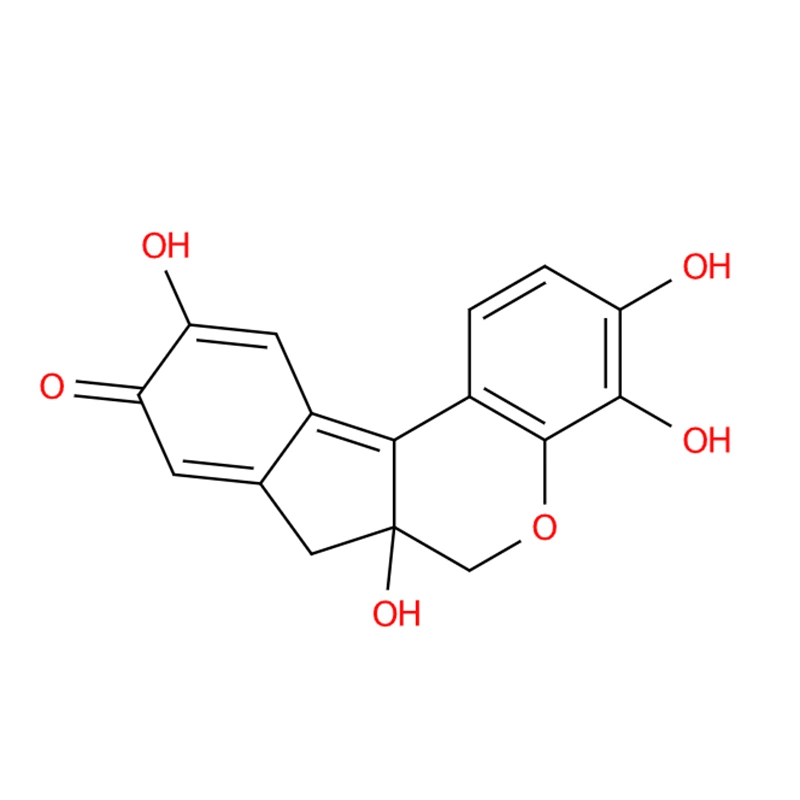
Hematoxylin is a naturally derived compound obtained from logwood (Haematoxylum campechianum). Upon oxidation, it forms haematein, the colored compound responsible for its characteristic staining properties. The oxidation process plays an important role in preparing hematoxylin-based staining solutions for laboratory use.
In aqueous systems, hematoxylin may undergo oxidation upon exposure to air, with the rate and extent of oxidation influenced by pH and other formulation conditions. Controlled preparation and storage are therefore important for maintaining consistent color development and staining performance in histological and microscopic applications.
Product Parameters
| Melting point | 180 °C |
| Boiling point | 361.5°C (rough estimate) |
| Density | 1.2766 (rough estimate) |
| Refractive index | 1.4600 (estimate) |
| Storage temp | 2-8°C |
| Solubility | Methanol (Slightly) |
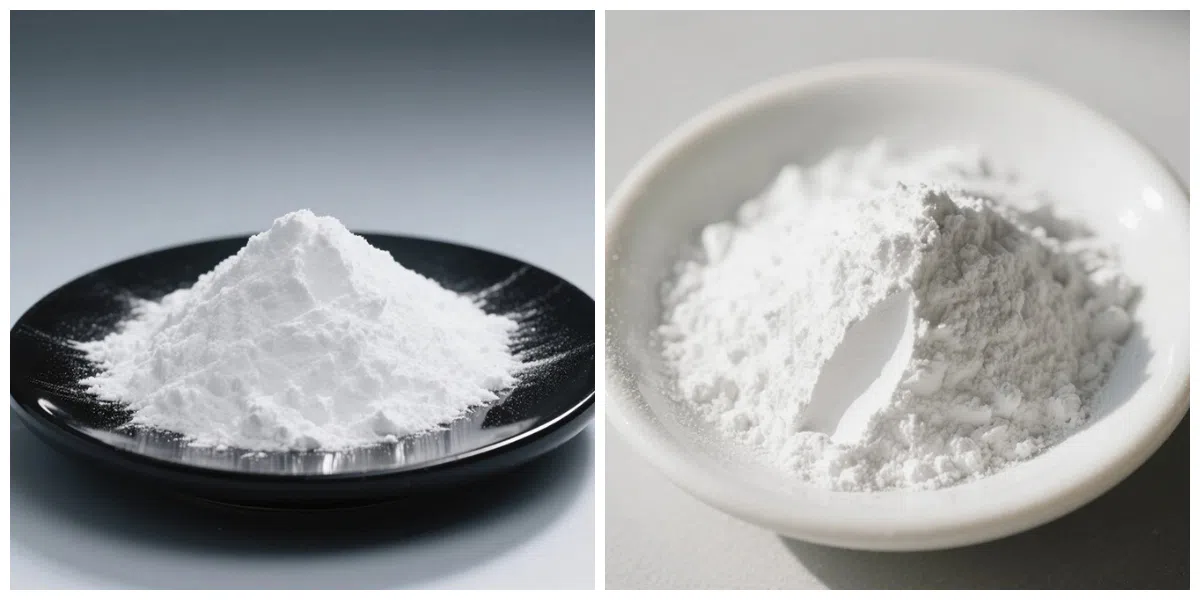
| Form | Crystalline Powder |
| Colour Index | 75290 |
| Pka | 8.02±0.40(Predicted) |
| Color | Dark brown |
| Water Solubility | 0.6g/L(20 ºC) |
| Merck | 13,4651 |
| BRN | 93039 |
| LogP | 0.560 (est) |
| EPA Substance Registry System | Benz[b]indeno[1,2-d]pyran-9(6H)-one, 6a,7-dihydro-3,4,6a,10-tetrahydroxy- (475-25-2) |
Safety Information
| Safety Statements | 24/25 |
| WGK Germany | 3 |
| RTECS | DE3120000 |
| F | 8-10-23 |
| HS Code | 32030010 |
Application Scenarios
Logwood-derived colorants have applications in textile dyeing and laboratory staining, with their performance depending on the composition, oxidation state, and formulation of the material.
Textile Dyeing: Logwood-derived dyes have traditionally been used to color natural fibers such as wool and silk. In combination with suitable mordants, they can produce a range of shades, from purple and blue-toned hues to deep gray and black, depending on the dyeing conditions and mordant system.
Histology and Microscopy: Hematoxylin-based staining reagents are widely used in laboratory workflows to enhance contrast between cellular and tissue structures. In hematoxylin and eosin (H&E) staining, hematoxylin is oxidized to haematein, which forms colored complexes with suitable metal-ion mordants and helps highlight nuclei and other tissue components, while eosin provides contrasting coloration to many cytoplasmic and extracellular structures.
Laboratory Staining Formulations: Haematein and related logwood-derived compounds are used in specialized staining formulations. Their staining characteristics depend on pH, oxidation state, mordant selection, and the preparation protocol.