Product Description
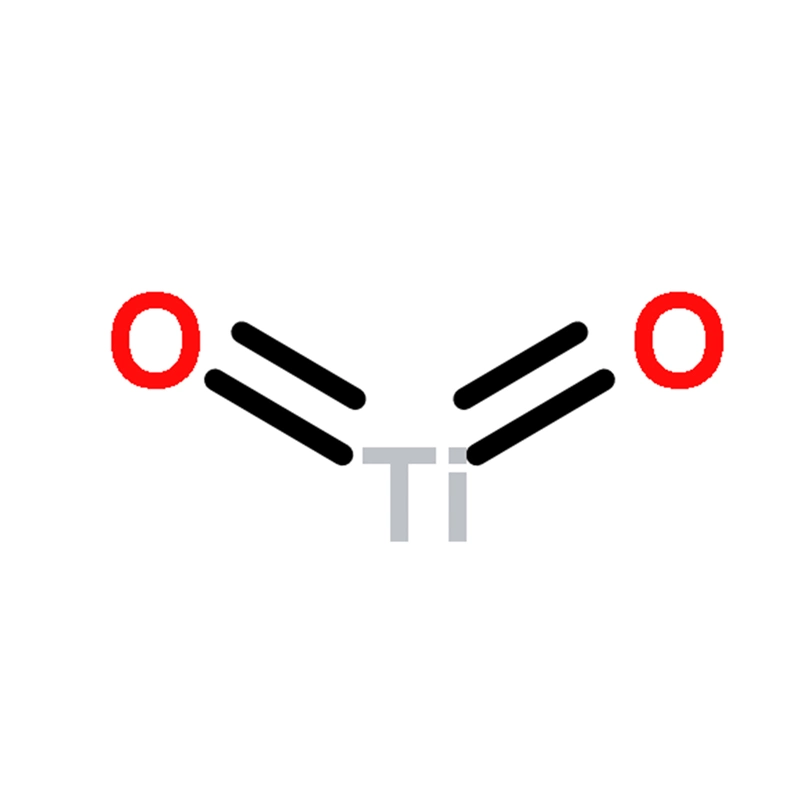
Anatase Titanium Dioxide has a lower Mohs hardness and refractive index than rutile, reflecting differences in their crystal structures. Although anatase is thermodynamically less stable than rutile, it can remain metastable under ambient conditions. At elevated temperatures, anatase may transform into rutile, with the transformation temperature depending on factors such as impurities, particle size, and processing conditions; conversion is often observed in the range of approximately 600–800°C. Optically, anatase exhibits characteristic absorption in the near-ultraviolet region, making it useful in selected optical and photocatalytic applications.
Product Parameters
| Melting point | 1840 °C |
| Boiling point | 2900 °C |
| density | 4.26 g/mL at 25 °C(lit.) |
| Fp | 368°C |
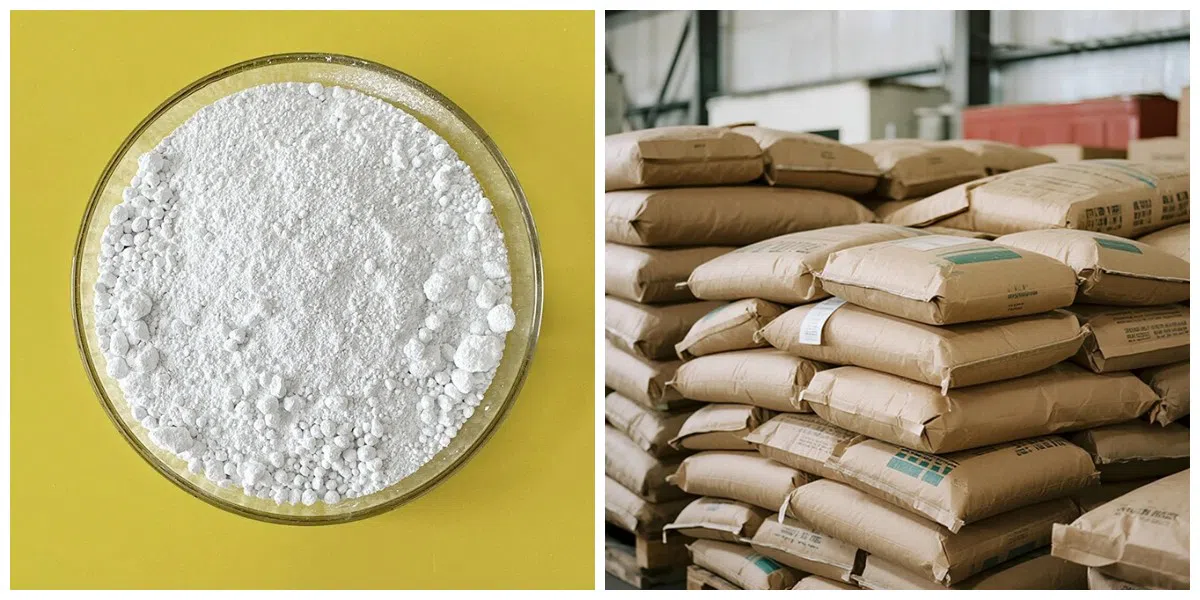
| form | powder |
| color | White |
| Specific Gravity | 3.9 |
| Water Solubility | Insoluble in water, dilute acids, organic acids, and dilute alkalis. |
| Crystal Structure | Tetragonal, P4/mnm |
| crystal system | square |
| Merck | 14,9472 |
| Space group | I41/amd |
| Lattice constant | a/nmb/nmc/nmα/oβ/oγ/oV/nm30.378480.378480.951199090900.1363 |
| Stability: | Stable. Incompatible with strong acids. |
| CAS DataBase Reference | 1317-70-0(CAS DataBase Reference) |
| EPA Substance Registry System | Anatase (TiO2) (1317-70-0) |
Safety Information
| Hazard Codes | Xn |
| Risk Statements | 20-36/37/38 |
| Safety Statements | 26-36 |
| WGK Germany | - |
| RTECS | XR2275000 |
| TSCA | Yes |
Application Scenarios
Titanium Dioxide (TiO₂) is a versatile inorganic compound widely used in coatings, plastics, paper, ceramics, and selected cosmetic formulations. Depending on its crystal structure, particle size, and surface treatment, it can provide UV absorption, opacity, brightness, and photocatalytic functionality. Anatase Titanium Dioxide is used in photocatalytic materials for applications such as self-cleaning surfaces, air purification, and wastewater treatment. It also contributes to the optical performance of selected glass and ceramic products. In the metallurgical industry, titanium-containing raw materials are used in the production of titanium metal and related alloys, subject to specific process requirements.