
Product Description
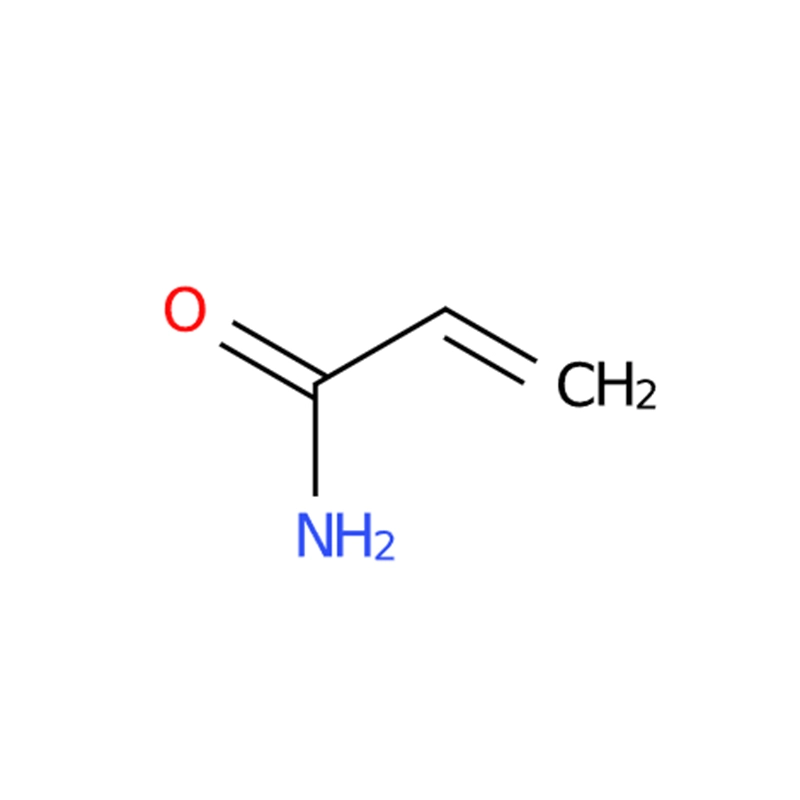
Acrylamide is an important organic monomer widely used in polymer production and industrial chemical synthesis. Its reactive functional groups enable it to participate in polymerization and other chemical reactions, making it a valuable raw material for manufacturing polyacrylamide and other acrylamide-based polymers.
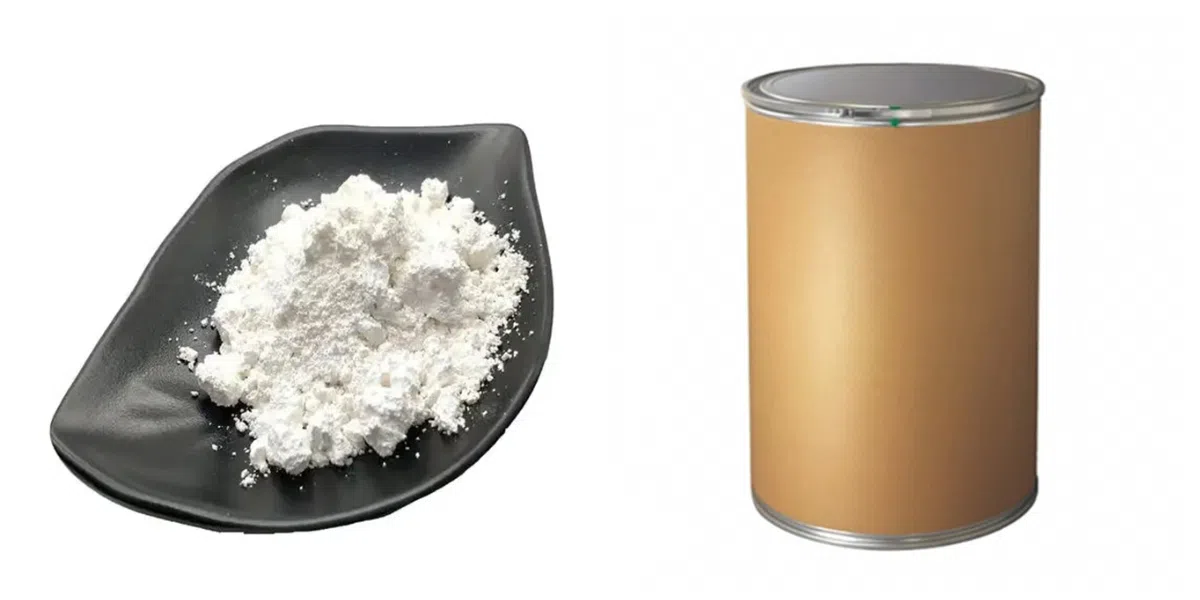
At room temperature, pure acrylamide typically appears as a white crystalline solid and is generally odorless. Depending on product grade, purity, and storage conditions, industrial-grade material may exhibit slight variations in color or odor.
Acrylamide is hygroscopic and can absorb moisture from the surrounding environment. Prolonged exposure to humid conditions may affect its physical condition and product quality. Therefore, it should be stored in tightly sealed packaging under suitable conditions, in accordance with the supplier's technical specifications and Safety Data Sheet (SDS).
Product Parameters
| Melting point | 82-86 °C(lit.) |
| Boiling point | 125 °C25 mm Hg(lit.) |
| density | 1,322 g/cm3 |
| bulk density | 500kg/m3 |
| vapor density | 2.45 (vs air) |
| vapor pressure | 0.03 mm Hg ( 40 °C) |
| refractive index | 1.46 |
| Fp | 138 °C |
| storage temp. | 2-8°C |
| solubility | 2040 g/L (25°C) |
| form | powder |
| pka | 15.35±0.50(Predicted) |
| color | White |
| Odor | Odorless solid |
| PH | 5.0-7.0 (50g/l, H2O, 20℃) |
| Water Solubility | Acrylamide is routinely tested at 250 mg/mL in water, giving a clear colorless solution. It is soluble at least to 40% (w/v) in water, and reportedly up to 215 g/100 mL in water at 30°C. |
| Sensitive | Light Sensitive |
| Merck | 14129 |
| BRN | 605349 |
| Henry's Law Constant | (x 10-9 atm?m3/mol): 3.03 at 20 °C (approximate - calculated from water solubility and vapor pressure) |
| Exposure limits | Potential occupational carcinogen. NIOSH REL: TWA 0.03, IDLH: 60; OSHA PEL: TWA 0.3; ACGIH TLV: TWA 0.03. |
| Stability: | Unstable. Do not heat above 50C. Explosive. Incompatible with acids, bases, oxidizing agents, reducing agents, iron and iron salts, copper, aluminium, brass, free radical initiators. Air sensitive. Hygroscopic. |
| InChIKey | HRPVXLWXLXDGHG-UHFFFAOYSA-N |
| LogP | -0.9 at 20℃ and pH7 |
| CAS DataBase Reference | 79-06-1(CAS DataBase Reference) |
| NIST Chemistry Reference | Acrylamide(79-06-1) |
| IARC | 2A (Vol. 60, Sup 7) 1994 |
| EPA Substance Registry System | Acrylamide (79-06-1) |
Application Scenarios
Acrylamide is an important monomer primarily used in the production of polyacrylamide (PAM) and various acrylamide-based copolymers. These polymers offer useful properties such as flocculation, thickening, and water retention, supporting a wide range of industrial applications.
Water Treatment: Polyacrylamide-based products are widely used as flocculants to promote solid–liquid separation in municipal and industrial wastewater treatment.
Oil and Gas Industry: Selected acrylamide-based polymers are used in enhanced oil recovery, drilling fluids, and other oilfield operations.
Papermaking: Polyacrylamide derivatives can function as retention aids, drainage aids, and paper strength additives.
Soil Conditioning: Certain polymer formulations help improve soil structure, water retention, and erosion control.
Textile Processing: Acrylamide-based polymers are used in selected textile sizing, printing, dyeing, and finishing processes.
Mineral Processing: Polyacrylamide-based flocculants support the separation, clarification, and dewatering of mineral-processing slurries.
Polymer Research and Development: Acrylamide serves as a monomer for synthesizing functional polymers used in industrial research and selected laboratory applications.