
Product Description
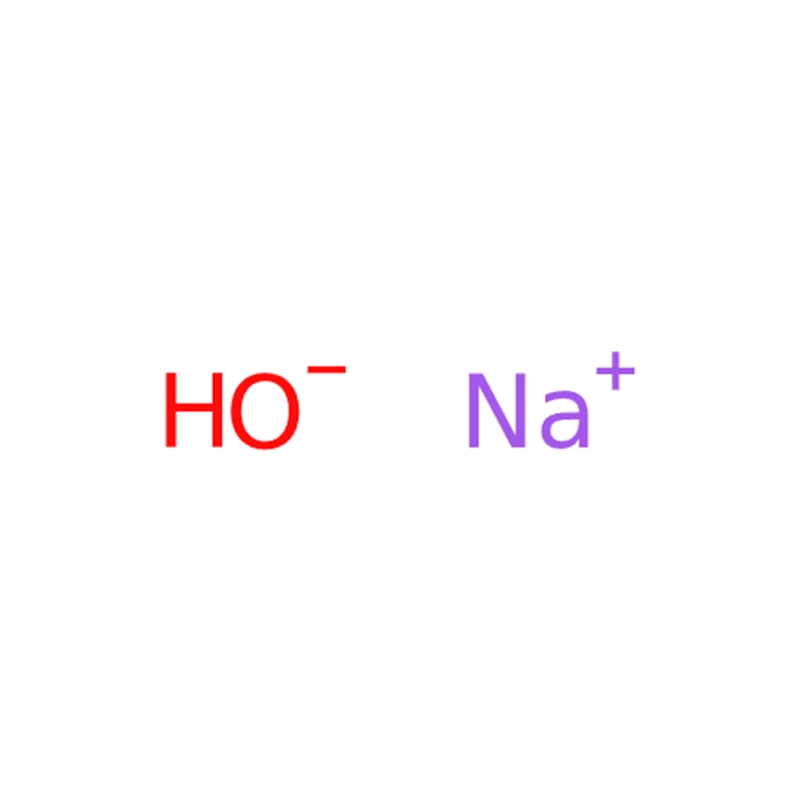
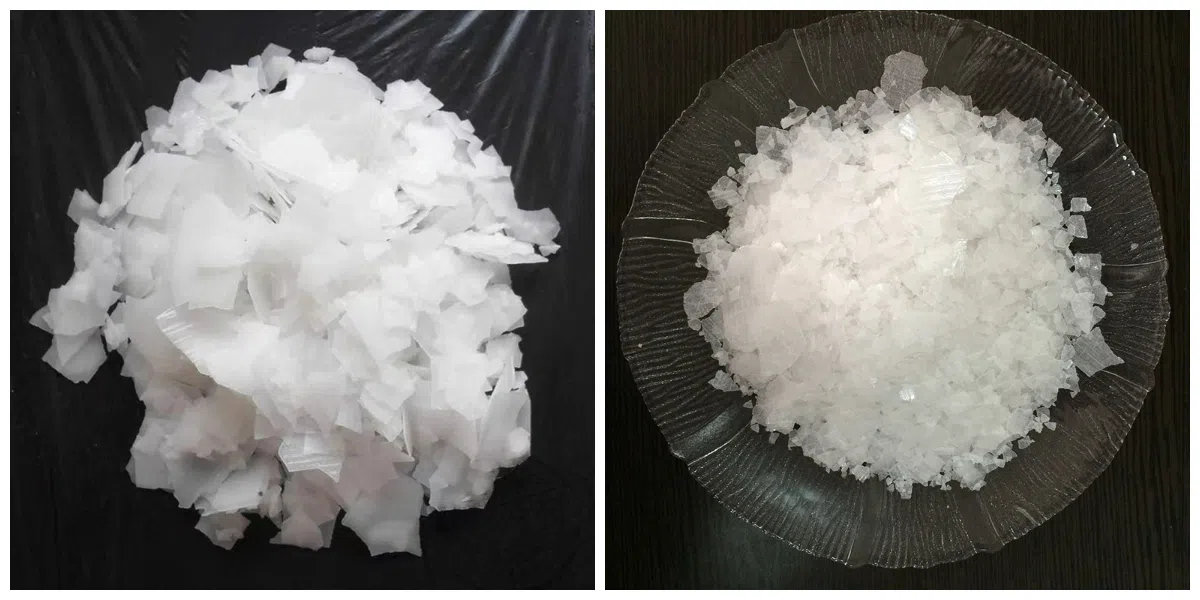
Sodium Hydroxide, commonly known as caustic soda, is a strong inorganic alkali with the chemical formula NaOH. It is typically supplied as a white solid in flakes, pellets, or granules, depending on the product grade and manufacturing process. Sodium Hydroxide dissolves readily in water, releasing considerable heat and forming a strongly alkaline solution. It is also soluble in certain alcohols, including methanol and ethanol.
Sodium Hydroxide is highly hygroscopic and deliquescent, meaning it readily absorbs moisture from the air. It also reacts with acidic gases such as carbon dioxide, potentially forming sodium carbonate on exposure. Due to its strong alkaline properties, it is an essential raw material in numerous industrial processes, including pulp and paper production, textile processing, soap and detergent manufacturing, chemical synthesis, and industrial cleaning. It is also used in certain alkaline drain-cleaning products.
As a highly corrosive chemical, Sodium Hydroxide requires appropriate storage, handling procedures, and personal protective equipment in accordance with the relevant safety data sheet.
Product Parameters
| Melting point | 681 °C(lit.) |
| Boiling point | 1390°C |
| density | 1.515 g/mL at 20 °C |
| vapor density | <1 (vs air) |
| vapor pressure | 1 mm Hg ( 745 °C) |
| refractive index | 1,473-1,475 |
| Fp | 176-178°C |
| storage temp. | room temp |
| solubility | H2O: 1 M at 20 °C, clear, colorless |
| form | beads |
| color | White |
| Specific Gravity | 2.13 |
| Odor | Odorless |
| PH Range | 13 - 14 |
| PH | 10.98(1 mM solution);11.95(10 mM solution);12.88(100 mM solution); |
| Water Solubility | SOLUBLE |
| Sensitive | Air Sensitive & Hygroscopic |
| Decomposition | 176-178 ºC |
| λmax | λ: 260 nm Amax: 0.015 |
| λ: 280 nm Amax: 0.01 | |
| Merck | 148627 |
| Dielectric constant | 57.5(25℃) |
| Exposure limits | TLV-TWA air 2 mg/m3 (OSHA); ceiling 2 mg/m3 (ACGIH) and 2 mg/m3/15 min (NIOSH). |
| Stability: | hygroscopic |
| CAS DataBase Reference | 1310-73-2(CAS DataBase Reference) |
| NIST Chemistry Reference | Sodium hydroxide(1310-73-2) |
| EPA Substance Registry System | Sodium hydroxide (1310-73-2) |
| Hazard Codes | C,Xi |
| Risk Statements | 36/38-35-34 |
| Safety Statements | 26-45-37/39-24/25-36/37/39 |
| RIDADR | UN 1824 8/PG 2 |
| WGK Germany | 1 |
| RTECS | TT2975000 |
| F | 8 |
| TSCA | Yes |
| HS Code | 2815 11 00 |
| HazardClass | 8 |
| PackingGroup | II |
| Hazardous Substances Data | 1310-73-2(Hazardous Substances Data) |
| Toxicity | LD orally in rabbits: 500 mg/kg (10% soln) (Fazekas) |
| IDLA | 10 mg/m3 |
Application Scenarios
Sodium Hydroxide, commonly known as caustic soda, is a versatile inorganic alkali widely used across numerous industrial sectors. Its strong alkaline properties make it an essential raw material for chemical processing, pH adjustment, neutralization, and a variety of manufacturing applications.
Chemical Manufacturing – Used in the production of organic intermediates, dyes, plastics, pharmaceuticals, and various inorganic chemicals. It is also employed in the preparation of products such as borates, chromium salts, manganates, and phosphates.
Pulp and Paper Industry – Plays an important role in pulping and chemical processing, helping separate lignin from cellulose fibers during paper production.
Soap and Detergent Manufacturing – Used in soap production through the saponification of fats and oils, as well as in selected industrial cleaning formulations.
Alumina and Metallurgical Processing – Used in alumina extraction from bauxite and in selected metal-processing operations, including certain tungsten-related processes.
Textile and Fiber Production – Applied in textile processing and the manufacture of regenerated cellulose fibers, including rayon and viscose.
Water Treatment and Industrial Cleaning – Used for pH adjustment, neutralization, and cleaning applications in industrial water-treatment systems and manufacturing facilities.
Laboratory and Chemical Processing – Used as a laboratory reagent and for preparing alkaline solutions. Because Sodium Hydroxide also absorbs moisture and reacts with carbon dioxide, it is generally unsuitable as a universal drying agent, particularly when moisture-free conditions or carbon-dioxide removal are required.

Safety and Handling
Sodium Hydroxide is highly corrosive. Contact with the skin or eyes can cause severe chemical burns, and dissolving solid Sodium Hydroxide in water releases considerable heat. Appropriate protective equipment, compatible storage materials, and established handling procedures are essential. Always follow the supplier's Safety Data Sheet (SDS).


