
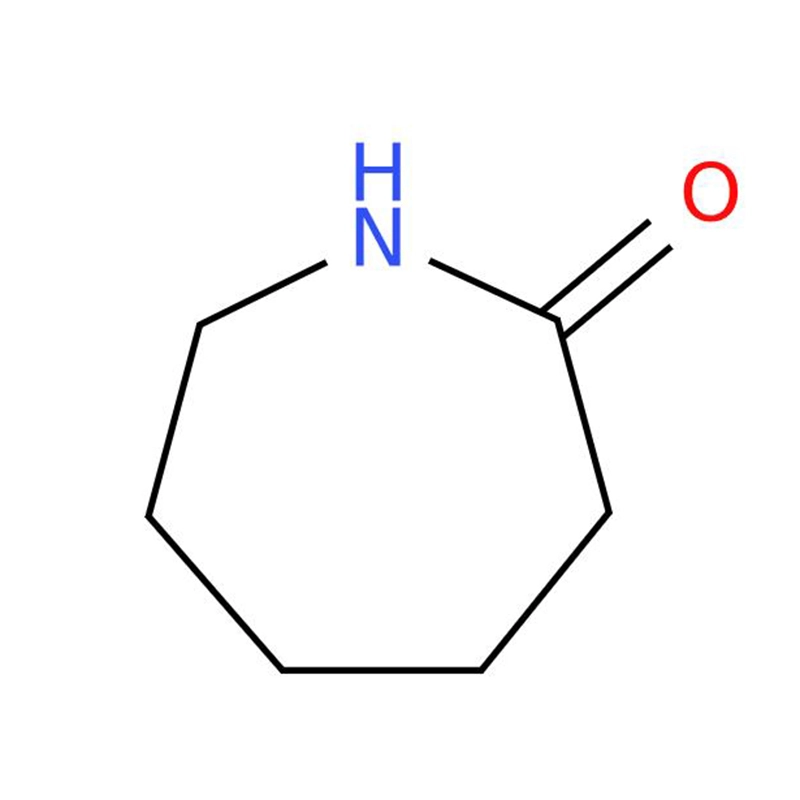
Product Description
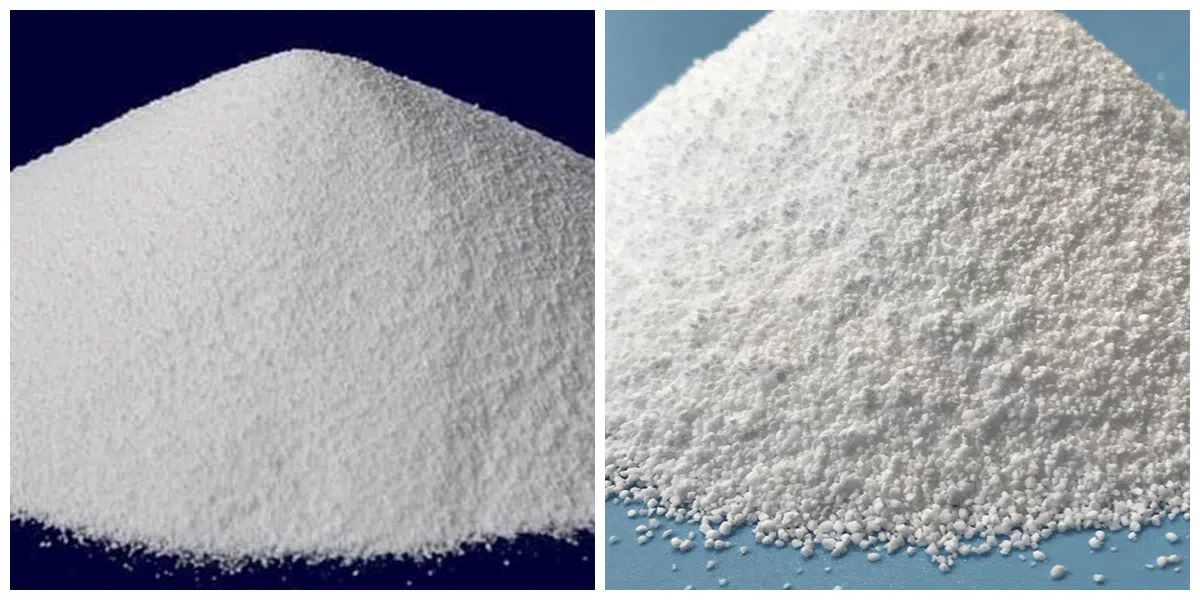
The product appears as white flakes in its solid state and as a molten liquid when heated. It exhibits good solubility in a wide range of organic solvents, including chlorinated solvents, petroleum-based hydrocarbons, aromatic solvents, alcohols, and ethers.
It is also readily soluble in common solvents such as methanol and ethanol, providing excellent formulation flexibility across different processing systems. Its broad solvent compatibility makes it suitable for various industrial applications, including chemical processing, coatings, adhesives, and polymer synthesis.
The ability to interact with both polar and non-polar solvents makes this material particularly useful in formulations and processes requiring flexible solvent selection and good compatibility.
The compound is readily soluble in petroleum hydrocarbons and chlorinated solvents, making it suitable for formulations used in cleaning, degreasing, and specialized chemical treatment processes.
It has limited solubility in water, which makes it particularly suitable for non-aqueous formulations and solvent-based systems where low water solubility and compatibility with organic solvents are required.
Product Parameters
| Melting point | 68-71 °C(lit.) |
| Boiling point | 136-138 °C10 mm Hg(lit.) |
| density | 1.01 |
| bulk density | 500-550kg/m3 |
| vapor pressure | <0.01 mm Hg ( 20 °C) |
| refractive index | 1.4935 |
| FEMA | 4235 | 1,6-HEXALACTAM |
| Fp | 152 °C |
| storage temp. | Store below +30°C. |
| solubility | H2O: 0.1 g/mL, clear, colorless |
| form | Crystals or Flakes |
| pka | 16.61±0.20(Predicted) |
| Specific Gravity | 1.042 (20/4℃) |
| color | White |
| PH | 7.0-8.5 (333g/l, H2O, 20℃) |
| Odor | amine spicy |
| Odor Type | spicy |
| explosive limit | 1.4-8%(V) |
| Water Solubility | 4560 g/L (20 ºC) |
| Merck | 14,1761 |
| JECFA Number | 1594 |
| BRN | 106934 |
| Dielectric constant | 1.7 - 1.9(0.0℃) |
| Exposure limits | ACGIH: TWA 5 mg/m3 NIOSH: TWA 1 mg/m3; TWA 0.22 ppm; STEL 3 mg/m3; STEL 0.66 ppm |
| LogP | 0.12 at 25℃ |
| CAS DataBase Reference | 105-60-2(CAS DataBase Reference) |
| NIST Chemistry Reference | Caprolactam(105-60-2) |
| IARC | 3 (Vol. 39, Sup 7, 71) 1999 |
| EPA Substance Registry System | Caprolactam (105-60-2) |
Safety Information
| Hazard Codes | Xn |
| Risk Statements | 20/22-36/37/38 |
| Safety Statements | 2-24/25 |
| RIDADR | UN 2811 6.1/PG 2 |
| OEB | C |
| OEL | TWA: 1 mg/m3, STEL: 3 mg/m3 |
| WGK Germany | 1 |
| RTECS | CM3675000 |
| Autoignition Temperature | 707 °F |
| TSCA | Yes |
| HS Code | 29337100 |
| Hazardous Substances Data | 105-60-2(Hazardous Substances Data) |
| Toxicity | LD50 orally in rats: 2.14 g/kg (Smyth) |
Application Scenarios
Epsilon-Caprolactam, commonly known as Caprolactam, is an important organic chemical intermediate primarily used in the production of polyamide 6 (PA6), also known as Nylon 6. Through ring-opening polymerization, caprolactam is converted into high-performance polyamide materials widely used across various industrial sectors.
1. Nylon 6 Resin Production
Caprolactam is the key monomer used in the manufacture of Nylon 6 resin. The resulting polyamide offers excellent mechanical strength, wear resistance, and processability, making it suitable for engineering plastics and industrial components.
2. Synthetic Fibers and Textile Applications
Caprolactam is widely used in the production of Nylon 6 fibers for apparel, carpets, curtains, tire cords, industrial fabrics, ropes, fishing nets, and other textile applications.
3. Automotive and Engineering Plastics
Nylon 6 resin derived from caprolactam is used in automotive components, gears, transmission parts, mechanical components, and industrial piping systems, where durability and mechanical performance are essential.
4. Packaging Films and Electronic Materials
Nylon 6 is used to manufacture packaging films for food, pharmaceutical products, and selected electronic applications, offering useful mechanical strength and barrier properties.
5. Coatings, Resins, and Specialty Chemical Applications
Caprolactam can also be used in selected polymer-related applications, including certain coatings, plasticizer formulations, and polyurethane crosslinking systems, depending on the formulation and processing requirements.