
Product Description
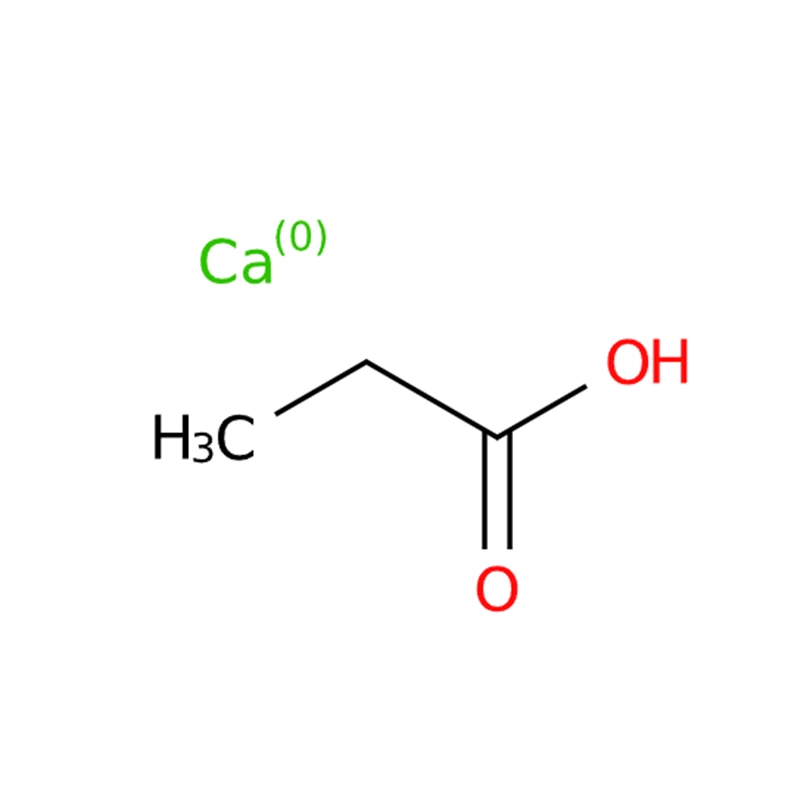
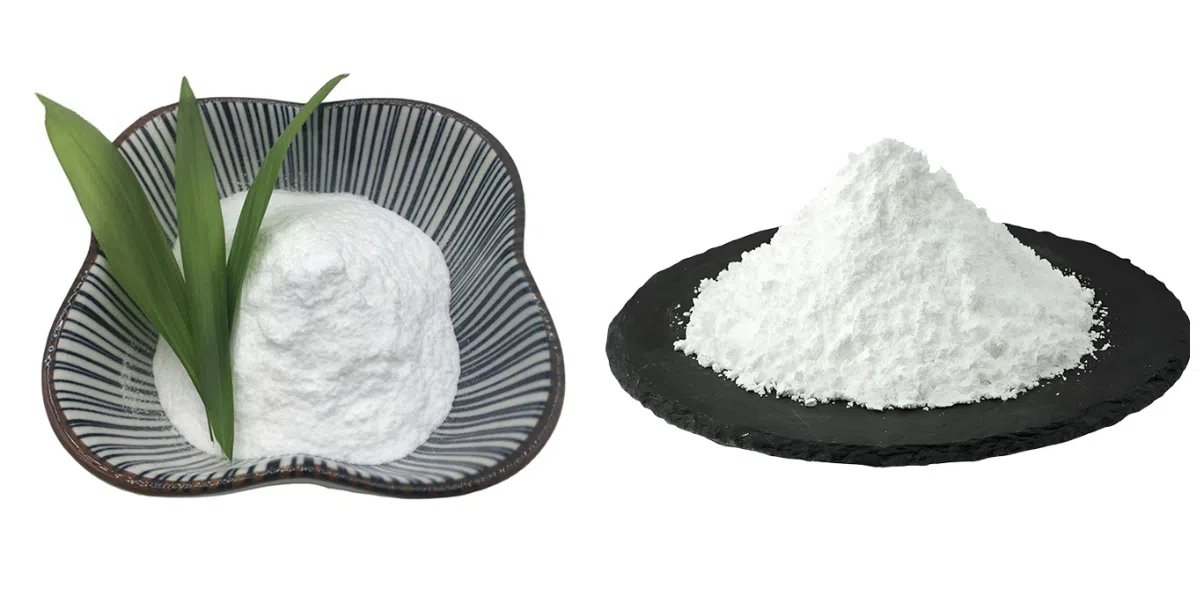
Calcium Propionate, also known as calcium propanoate, is the calcium salt of propionic acid. It typically appears as a white crystalline powder with little to no odor or a slight characteristic propionic acid odor. It is hygroscopic and should be stored under recommended conditions to maintain product quality. Calcium Propionate is generally stable under normal storage conditions and should be kept away from strong oxidizing agents.
Calcium Propionate is highly soluble in water and slightly soluble in alcohols. Its aqueous solutions are generally mildly alkaline. The product's thermal behavior depends on its composition and hydration state; therefore, melting point, dehydration, phase-transition, and decomposition temperatures should be confirmed against the supplier's technical data sheet (TDS).
As a widely used preservative, Calcium Propionate helps inhibit mold growth and control spoilage in selected food and animal feed products. It is particularly useful in bread and other bakery products, where it helps extend shelf life by limiting mold development. Its preservative effectiveness depends on factors such as pH, moisture content, dosage, and storage conditions.
In animal feed applications, Calcium Propionate is used to help maintain feed quality and reduce mold-related spoilage during storage. Its suitability and recommended inclusion rate depend on the feed formulation, target animal species, applicable regulations, and supplier guidance. Any claimed benefits for livestock appetite or milk production should be supported by reliable feeding-trial data and should not be assumed for all formulations.
For food and feed applications, the product should meet the relevant grade specifications and comply with the applicable requirements in the intended market.
Product Parameters
| Melting point | 300 °C |
| density | 1.41[at 20℃] |
| vapor pressure | 0-399Pa at 20-23℃ |
| storage temp. | Store below +30°C. |
| solubility | water: soluble1g/10 mL, clear, colorless |
| form | Crystals or Crystalline Powder |
| color | White |
| PH | 9.2 (200g/l, H2O, 20℃)(IUCLID) |
| Odor | at 100.00%. bland mild propionic acid |
| Water Solubility | 1 g/10 mL |
| Merck | 141698 |
| BRN | 3698682 |
| Stability: | Stable. Hygroscopic. Incompatible with strong oxidizing agents. |
| Cosmetics Ingredients Functions | PRESERVATIVE |
| InChI | 1S/2C3H6O2.Ca/c2*1-2-3(4)5;/h2*2H2,1H3,(H,4,5);/q;;+2/p-2 |
| InChIKey | BCZXFFBUYPCTSJ-UHFFFAOYSA-L |
| SMILES | CCC(=O)O[Ca]OC(=O)CC |
| LogP | 0.33 at 25℃ |
| CAS DataBase Reference | 4075-81-4(CAS DataBase Reference) |
| EPA Substance Registry System | Calcium propionate (4075-81-4) |
| Risk Statements | 36/37/38 |
| Safety Statements | 24/25 |
| WGK Germany | 2 |
| RTECS | UE8450000 |
| TSCA | TSCA listed |
| HS Code | 29155000 |
| Storage Class | 11 - Combustible Solids |
| Hazard Classifications | Eye Dam. 1 |
| STOT SE 3 | |
| Hazardous Substances Data | 4075-81-4(Hazardous Substances Data) |
Application Scenarios
1. Food Industry
Calcium Propionate is widely used as a preservative in bread, bakery products, and other approved food applications. It helps inhibit mold growth and extend shelf life, particularly in products where its effectiveness is supported by the formulation's pH and moisture conditions. It may also be used in selected food formulations as permitted by applicable regulations. Its suitability for processed meats, dairy products, and other food categories should be confirmed against the relevant food-grade specifications and local requirements.
2. Beverage Industry
Calcium Propionate may be considered for specific beverage formulations where permitted. Its effectiveness depends on factors such as pH, composition, and processing conditions. It should not be described as a universal beverage preservative without product-specific evidence.
3. Pharmaceutical and Healthcare Formulations
Calcium Propionate may have antimicrobial or formulation-related applications in selected products. Its use in pharmaceutical preparations, aloe vera-based formulations, or other healthcare products must be supported by appropriate compatibility, stability, safety, and regulatory data.
4. Agriculture and Animal Feed
Calcium Propionate is used in certain animal feed formulations to help control mold growth and maintain feed quality during storage. It may also be used as a source of calcium or as part of specific nutritional strategies in livestock management. Any application for preventing milk fever in dairy cows should follow veterinary guidance and be supported by an appropriate formulation and feeding protocol.
5. Cosmetics and Personal Care
Calcium Propionate may be used in selected cosmetic or personal care formulations where permitted by applicable regulations. Its suitability as a preservative or pH-adjusting ingredient depends on the formulation, concentration, compatibility, and intended use. Regulatory compliance and product-specific testing should be confirmed before making these claims.
6. Industrial Applications
Depending on its grade and formulation compatibility, Calcium Propionate may be evaluated for selected specialty chemical applications, including certain coating, surface-treatment, or plating formulations. These uses should be confirmed through technical documentation and application testing.
7. Photographic Chemical Applications
Calcium Propionate may be relevant to specialized chemical formulations, but its use in photographic processing products should be verified with supplier documentation before being listed as an established application.