
Product Description
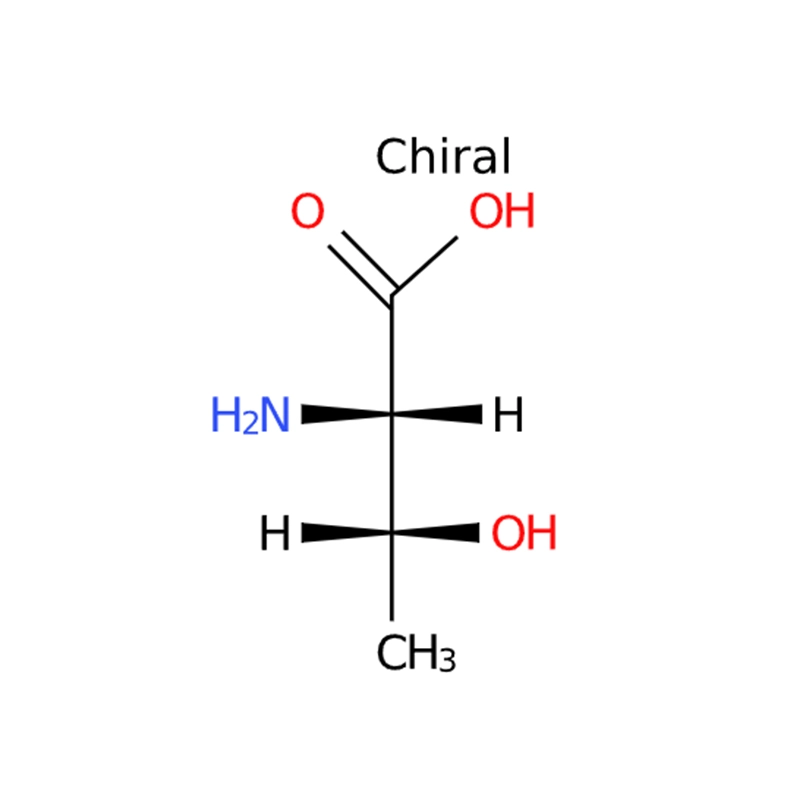
L-Threonine is an essential amino acid that plays an important role in protein synthesis and normal physiological function. It contributes to the formation of structural and functional proteins and supports normal growth and tissue maintenance.
L-Threonine is also involved in various metabolic processes and serves as a component of proteins found throughout the body. Its role in specific biochemical pathways depends on the body's nutritional status and metabolic requirements.
Due to its nutritional importance, L-Threonine is used in animal feed formulations to help meet essential amino acid requirements. It is also used in biochemical research and selected nutritional applications.
Although threonine and other amino acids have been investigated for their potential roles in neurological and digestive health, claims that L-Threonine alleviates anxiety or depression, treats intestinal disorders, or reliably increases brain glycine levels require further compound-specific evidence and should not be presented as established therapeutic benefits.
Product Parameters
| Melting point | 256 °C (dec.) (lit.) |
| Alpha | -28.4 º (c=6, H2O) |
| Boiling point | 222.38°C (rough estimate) |
| Density | 1.3126 (rough estimate) |
| Bulk density | 370kg/m3 |
| FEMA | 4710 | L-THREONINE |
| Refractive index | -28 ° (C=6, H2O) |
| Storage temp | 2-8°C |
| Solubility | H2O: 50 mg/mL |
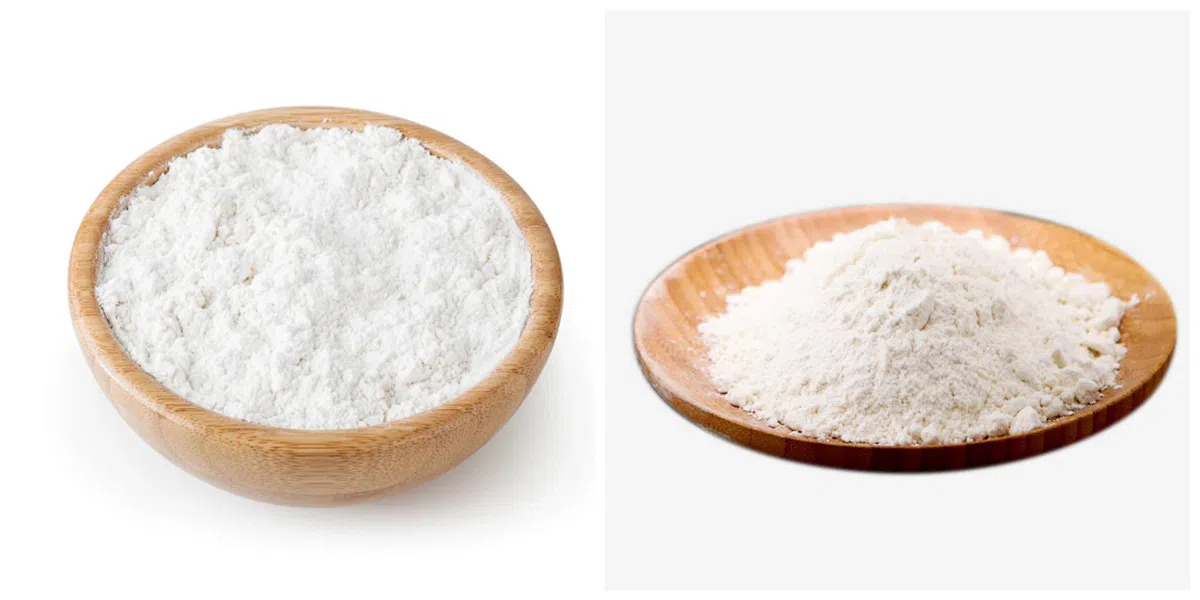
| Form | Powder |
| pka | 2.09(at 25℃) |
| Color | Yellow |
| PH | 5-6 (100g/l, H2O, 20℃) |
| Odor | ADM L-Threonine is a high quality product specifically designed for the feed industry. Produced from advanced technology, ADM L-Threonine is composed of 100% isomerically pure L-Threonine, which translates into 100% bioavailability for swine, poultry, and other animals.mild savory |
| Odor Type | Savory |
| Biological source | Non-animal source |
| Optical Rotation | [α]20/D 28.5±0.5°, c = 5% in H2O |
| Water Solubility | 90 g/L (20 ºC) |
| Merck | 14,9380 |
| JECFA Number | 2119 |
| BRN | 1721646 |
| Stability | Stable. Incompatible with strong oxidizing agents. |
| InChIKey | AYFVYJQAPQTCCC-GBXIJSLDSA-N |
| LogP | -2.94 |
| CAS DataBase Reference | 72-19-5(CAS DataBase Reference) |
| NIST Chemistry Reference | Threonine(72-19-5) |
| EPA Substance Registry System | L-Threonine (72-19-5) |
Application Scenarios
Threonine is an essential amino acid that plays an important role in protein synthesis, normal growth, and tissue maintenance. Depending on the product grade and applicable regulations, it may be used in nutritional formulations, food fortification, and animal feed.
Food Fortification: Threonine may be incorporated into selected cereal-based products, baked goods, and nutritional formulations to help improve their amino acid profile, where permitted by local regulations.
Growth and Nutritional Support: As an essential amino acid, threonine contributes to normal protein synthesis and growth. Adequate intake helps meet the body's nutritional requirements, although specific effects on fatigue recovery depend on overall nutritional status and other factors.
Skin and Cellular Functions: Threonine is a component of proteins involved in tissue structure and cellular function. Its hydroxyl-containing side chain contributes to protein interactions and may participate in processes involving protein glycosylation. Specific claims about skin hydration or cell membrane protection require additional evidence.
Metabolic and Research Applications: Threonine participates in amino acid metabolism and related biochemical pathways. It is used in biochemical research and selected nutritional applications. Claims concerning phospholipid synthesis, fatty acid oxidation, or therapeutic medical uses should be supported by compound-specific scientific evidence.