
Product Description
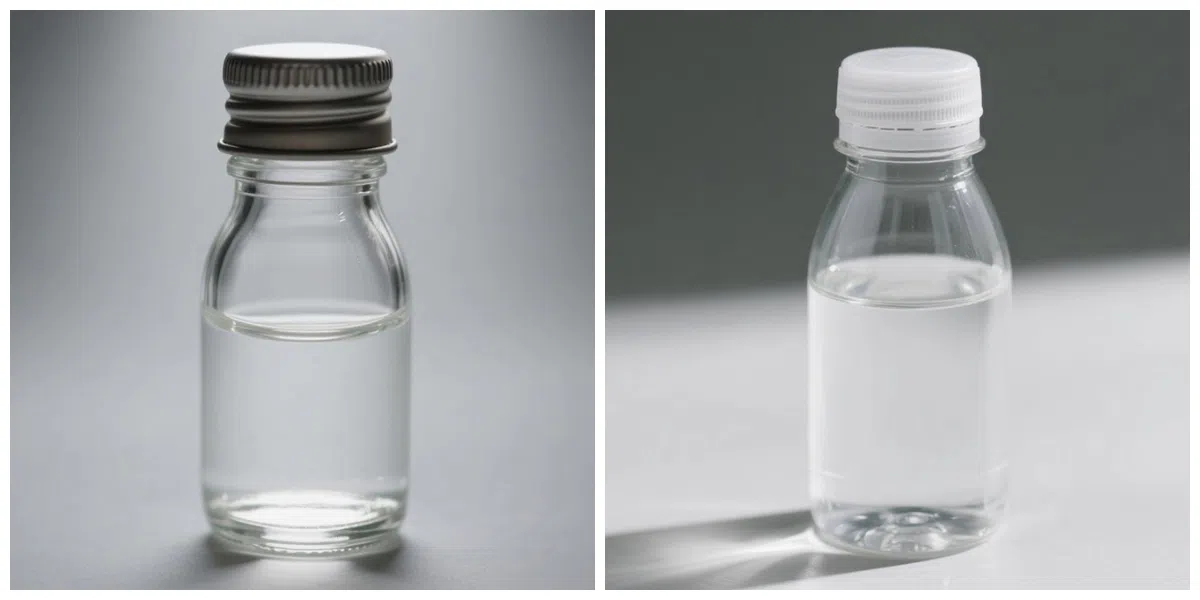
Mineral Oil (CAS No. 8042-47-5) is a petroleum-derived mixture of hydrocarbons obtained through refining processes. Depending on its grade and refining level, it typically appears as a clear, colorless to pale yellow liquid with a smooth, oily consistency and little to no noticeable odor.
Its physical properties vary according to composition and refining specifications. Typical reference values may include a specific gravity of 0.79–0.94 at 15.6°C, a boiling range of approximately 150–894°C, a vapor pressure below 0.1 kPa at 20°C, and a flash point of around 168.33°C. Mineral Oil is insoluble in water, while its viscosity, volatility, and other characteristics depend on the product grade.
Mineral Oil is not a single chemical compound but a complex mixture of hydrocarbons with varying molecular structures and chain lengths. Its principal hydrocarbon groups include paraffins, naphthenes, and, depending on the refining process, aromatic compounds. Paraffins consist of straight-chain or branched saturated hydrocarbons, while naphthenes are saturated cyclic hydrocarbons that may contain alkyl side chains. Aromatic hydrocarbons contain one or more aromatic ring systems with delocalized electrons.
Due to its lubricating properties, water insolubility, and generally low chemical reactivity under normal conditions, Mineral Oil is used in a variety of industrial and commercial formulations. The appropriate grade should be selected according to the required viscosity, purity, performance specifications, and intended application.
Product Parameters
| Density | 0.85 g/mL at 20 °C |
| Vapor pressure | 0.0001 hPa (20 °C) |
| Refractive index | n20/D 1.467(lit.) |
| Fp | 185 °C |
| Storage temp | room temp |
| Solubility | soluble in Chloroform |
| Form | light oil |
| Color | white |
| Odor | Very faint. |
| Water Solubility | insoluble |
| λmax | λ: 260 nm Amax: 0.7 λ: 280 nm Amax: 1.0 |
| Dielectric constant | 2.1(27℃) |
| EPA Substance Registry System | White mineral oil (petroleum) (8042-47-5) |
Safety Information
| Hazard Codes | Xi |
| Risk Statements | 36/37/38-41 |
| Safety Statements | 23-26-36-24/25 |
| RIDADR | 1263 |
| WGK Germany | 3 |
| RTECS | PY8047000 |
| Autoignition Temperature | >300 °C |
| TSCA | Yes |
| HS Code | 2710 19 85 |
| HazardClass | 3.2 |
| PackingGroup | III |
| Toxicity | LD50 orally in Rabbit: > 5000 mg/kg LD50 dermal Rabbit > 2000 mg/kg |
Application Scenarios
Due to its lubricating properties, chemical stability, and water insolubility, Mineral Oil is used across a variety of industrial, food-related, pharmaceutical, and veterinary applications. Its suitability for specific uses depends on the grade, refining process, purity, and applicable regulatory requirements.
In the food industry, appropriately specified white mineral oil may be used as a release agent, lubricant, processing aid, or other permitted food-contact application. Its use must comply with the relevant food safety regulations and applicable conditions of use.
In pharmaceutical and medical applications, pharmaceutical-grade mineral oil is used in certain topical preparations and, where approved and appropriate, as an oral laxative. In veterinary practice, mineral oil may be used for selected digestive conditions in animals under professional guidance. Its use should be based on the animal's condition and veterinary recommendations.
From an environmental perspective, the effects of mineral oil depend on its composition, refining level, quantity released, and receiving environment. Some highly refined mineral oils exhibit relatively low acute toxicity, but mineral oil should not be considered universally non-toxic or environmentally harmless. Its persistence and biodegradation rates vary with environmental conditions, and oil releases may adversely affect soil, aquatic organisms, and water quality.
Environmental contamination can occur during petroleum extraction, transportation, storage, refining, or handling if appropriate containment and spill-prevention measures are not implemented. Proper storage, spill management, and disposal practices are therefore essential to reduce environmental risks.