Product Description
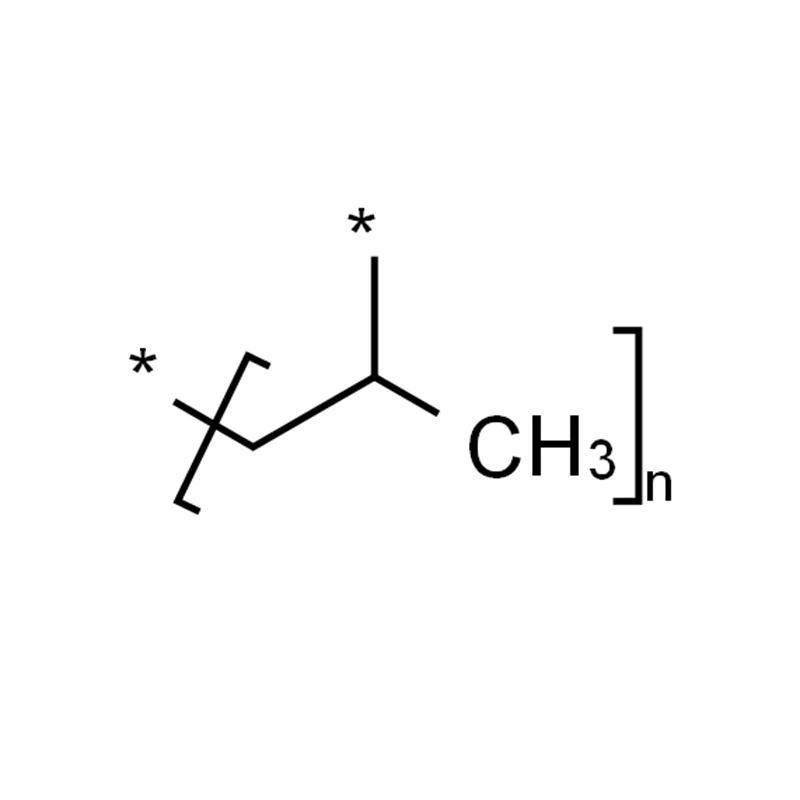
Polypropylene (PP) is a thermoplastic polymer produced through the polymerization of propylene monomers. Depending on the catalyst system and production technology, PP can be manufactured using several processes, including solution polymerization, slurry polymerization, bulk polymerization, gas-phase polymerization, and combined bulk–gas-phase processes.
Based on its stereoregular structure, polypropylene is generally classified into three forms: isotactic polypropylene (iPP), syndiotactic polypropylene (sPP), and atactic polypropylene (aPP). Isotactic PP is the predominant commercial form, offering a balanced combination of stiffness, chemical resistance, low density, and processability. It is widely used in packaging, automotive components, household products, and industrial applications.
Product Parameters
| English Name | Polypropylene |
| English Synonyms | PROPYLENE RESIN;PROPYLENE, ISOTACTIC RESIN;POLYPROPYLENE;POLYPROPYLENE, ATACTIC;POLYPROPY LENE, PSS NANOREINFORCED;POLYPROPYLENE, ISOTACTIC;Polypropylene master batch,flame retarding;Po lypropylene,film grade |
| CAS Number | 9003-07-0 |
| Molecular Formula | C22H4203 |
| Molecular Weight | 42.08 |
| EINECS Number | 202-316-6 |
| Melting point | 157 °C |
| Boiling point | 120-132 °C |
| Density | 0.9 g/mL at 25 °C (lit.) |
| Refractive index | n20/D 1.49 (lit.) |
| Flash point | >470 |
| Storage conditions | -20°C |
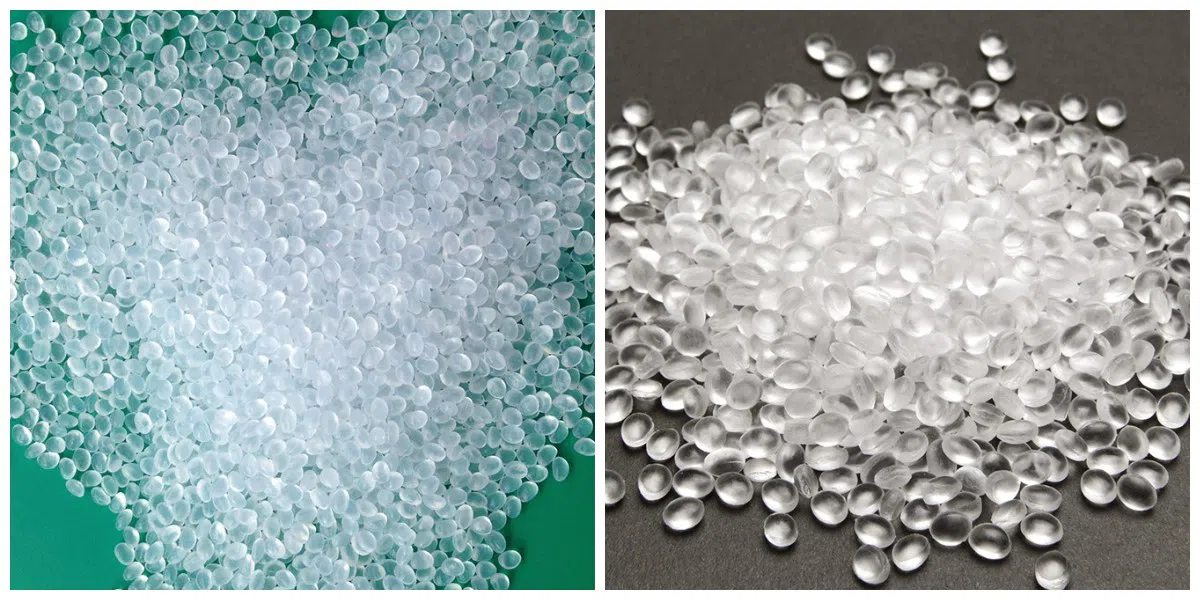
| Appearance | Particles (spherical) |
| Color | red |
| Odor (Odor) | Odorless |
| Biological origin | human |
| Merck | 137,663 |
Application Scenarios
Polypropylene (PP) offers excellent processability and can be manufactured using a variety of processing techniques, including injection molding, extrusion, blow molding, and thermoforming. Its versatility makes it suitable for a broad range of applications across consumer goods, automotive, home appliance, and industrial sectors.
Injection-molded polypropylene is particularly widely used in the production of everyday consumer products, including household goods, storage containers, packaging components, and various molded parts. Both unmodified and modified PP grades are extensively used in automotive manufacturing, electrical appliances, and industrial applications, depending on the required mechanical properties and service conditions.
For example, impact-modified polypropylene is commonly used in automotive components such as bumpers, wheel covers, and interior trim parts, where improved impact resistance and toughness are required. Reinforced polypropylene, including glass-fiber-reinforced grades, is used in selected structural and functional components, such as instrument panel components, fan blades, appliance housings, and handles, where enhanced stiffness, dimensional stability, and mechanical strength are important.
With its low density, chemical resistance, good processability, and flexible formulation options, polypropylene remains a versatile material for lightweight product design and cost-effective manufacturing across multiple industries.