Product Description
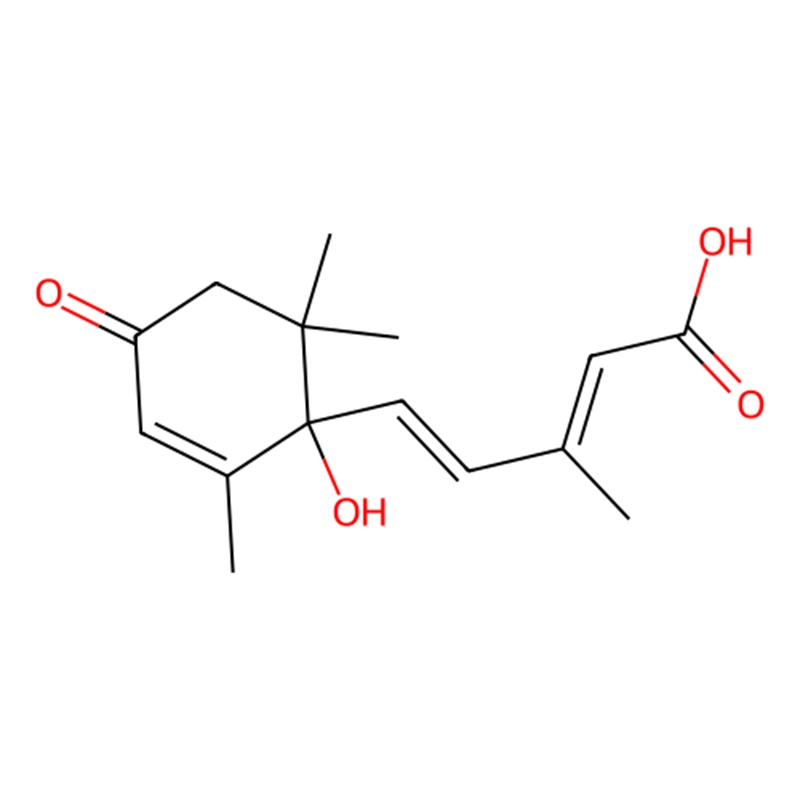
Abscisic acid (ABA, CAS: 21293-29-8) is an essential endogenous plant growth regulator with unique biochemical properties and stable physical characteristics. Distinct from growth-promoting hormones, it serves as a key stress-resistant and growth-regulating factor throughout the entire plant growth cycle.
Physiologically, ABA participates in the whole-process regulation of plant life activities. It effectively suppresses vegetative growth, induces leaf abscission and plant dormancy, and precisely modulates seed embryo development and maturation. Moreover, it plays a decisive role in regulating stomatal closure, which significantly reduces plant water transpiration. By activating plant stress-resistant pathways, it greatly enhances crop and vegetation tolerance against drought, low temperature, saline-alkali and other adverse external stresses.
Product Parameters
| Melting point | 188 °C |
| alpha | D20 +411.1° (c = 1 in ethanol); D20 +426.5° (c = 1 in 0.005N methanolic H2SO4) |
| Boiling point | 327.55°C (rough estimate) |
| density | 1.0583 (rough estimate) |
| refractive index | 410 ° (C=0.2, EtOH) |
| storage temp. | 2-8°C |
| solubility | Chloroform (Slightly), Ethanol (Sparingly), Methanol (Slightly) |
| pka | 4.87±0.33(Predicted) |
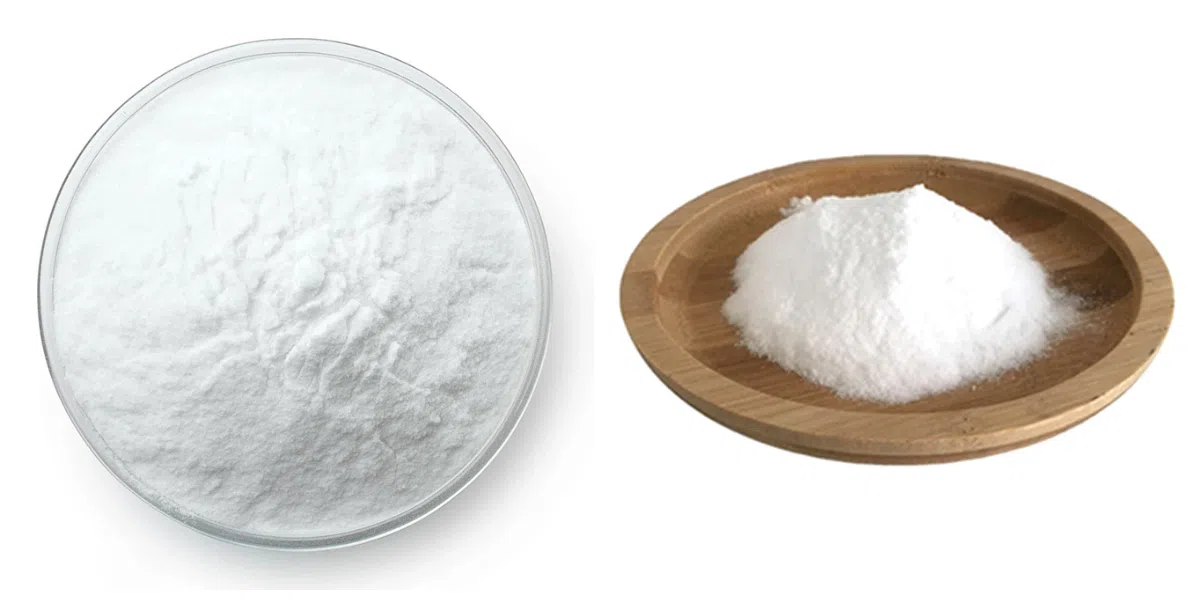
| form | Off-white powder |
| color | White to Pale Yellow |
| optical activity | [α]/D 415±10°, c = 0.1 in ethanol |
| Merck | 14,11 |
| BRN | 2698956 |
| Stability: | Light Sensitive |
| InChIKey | JLIDBLDQVAYHNE-WEYXYWBQSA-N |
| LogP | 1.896 (est) |
| CAS DataBase Reference | 21293-29-8(CAS DataBase Reference) |
| EPA Substance Registry System | 2,4-Pentadienoic acid, 5-[(1S)-1-hydroxy-2,6,6-trimethyl-4-oxo-2-cyclohexen-1-yl]-3-methyl-, (2Z,4E)- (21293-29-8) |
| Safety Statements | 22-24/25 |
| WGK Germany | 3 |
| RTECS | RZ2475100 |
| F | 8 |
| HS Code | 29189900 |
Application Scenarios
In modern agricultural production, abscisic acid is widely used for crop growth optimization, dormancy induction, stress resistance improvement and fruit development regulation, helping crops adapt to complex climatic and soil environments. In ecological engineering, it assists vegetation restoration and improves plant survival rate in harsh habitats. In scientific research, it acts as a core experimental reagent for exploring plant growth mechanisms, stress response pathways and hormone signal transduction.