Product Description
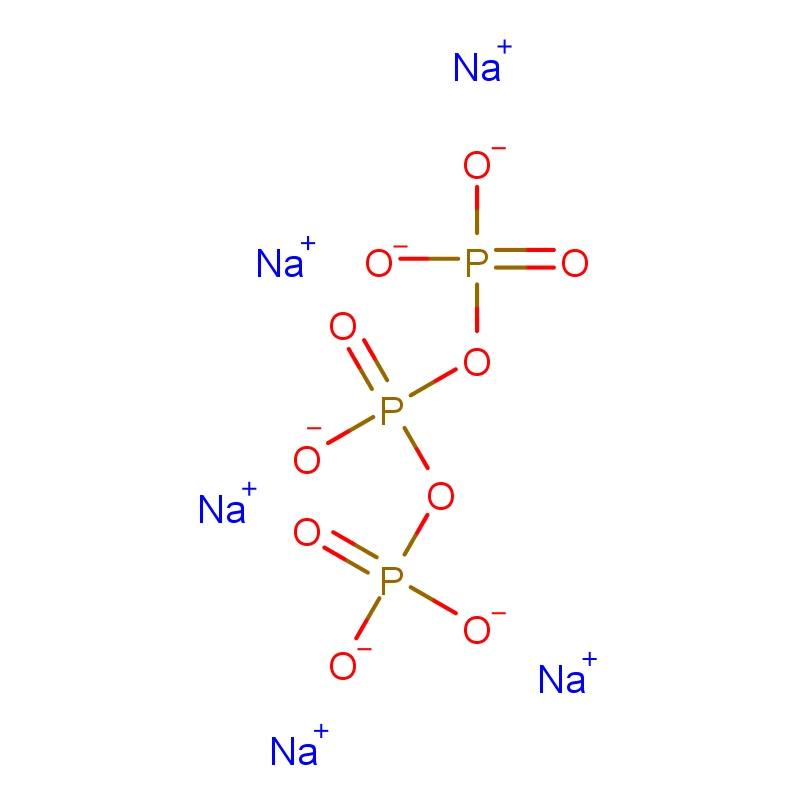
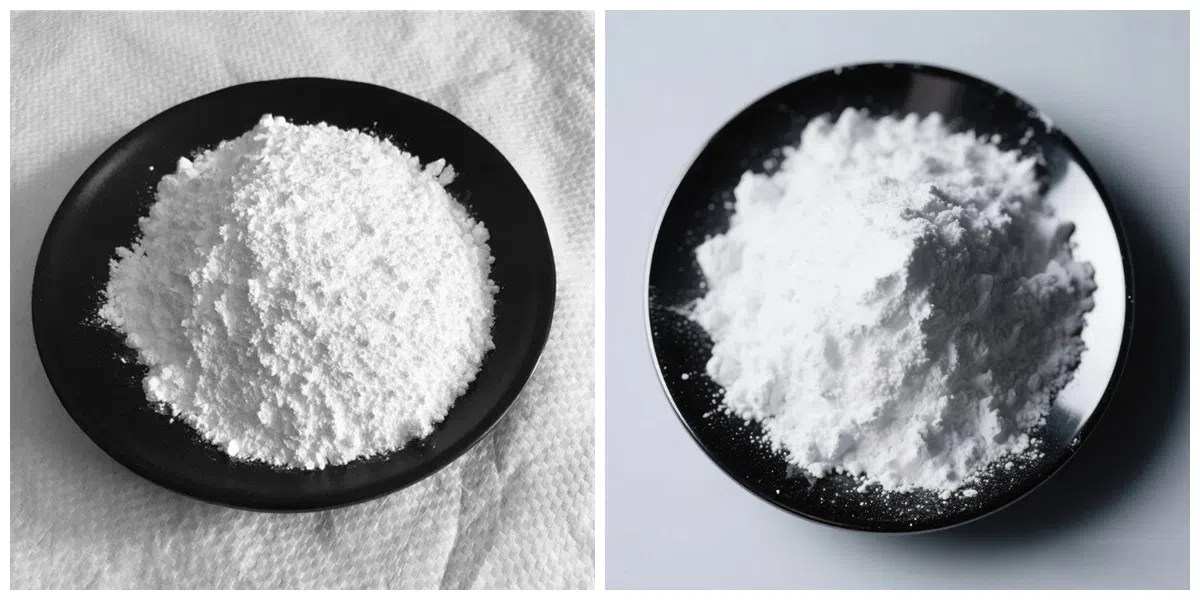
Sodium Tripolyphosphate (STPP), CAS No. 7758-29-4, is an inorganic phosphate compound with the chemical formula Na₅P₃O₁₀. It typically appears as a white crystalline powder or granular solid and is widely used in detergent manufacturing, water treatment, and food processing.
As an effective detergent builder, STPP exhibits strong sequestration and water-softening properties. It binds hardness ions such as calcium (Ca²⁺) and magnesium (Mg²⁺), helping reduce their interference with surfactants and improve cleaning performance. It also helps prevent the formation of insoluble mineral deposits, making it a valuable ingredient in household and industrial cleaning formulations.
In food processing, food-grade STPP (E451) is used in selected meat and seafood products to improve water retention, maintain texture, and support product quality during processing and storage, subject to applicable food regulations.
STPP is available in different crystalline forms, including Phase I, Phase II, and the hexahydrate form. Its physical properties and handling characteristics vary with the crystalline phase, moisture content, and processing conditions. Phase II is commonly used in industrial formulations where its processing and storage characteristics are suitable.
Product Parameters
| Melting point | 622 °C |
| Bulk density | 1000kg/m3 |
| Density | 2.52 g/cm3 (20℃) |
| Vapor pressure | <0.1 hPa (20 °C) |
| Refractive index | 1.658 |
| Storage temp. | Storage temperature: no restrictions. |
| Solubility | H2O: may be clear to slightly hazy |
| Form | Powder/Solid |
| Color | White |
| Odor | Odorless |
| PH | 9.0-10.0 (25℃, 1% in H2O) |
| PH Range | 9.5 - 10.3 at 1 g/l at 20 °C |
| Water Solubility | 20 g/100 mL (20 ºC) |
| Sensitive | Hygroscopic |
| Merck | 14,8697 |
| Stability: | Stable. Incompatible with strong oxidizing agents, strong acids. Hygroscopic. |
| InChIKey | HWGNBUXHKFFFIH-UHFFFAOYSA-I |
| LogP | -4.691 (est) |
CAS DataBase Reference | 7758-29-4(CAS DataBase Reference) |
| EPA Substance Registry System | Sodium tripolyphosphate (7758-29-4) |
Safety Information
| Hazard Codes | Xi |
| Risk Statements | 36/37/38 |
| Safety Statements | 26-36-24/25 |
| WGK Germany | 1 |
| RTECS | YK4570000 |
| F | 3 |
| TSCA | Yes |
| HS Code | 28353110 |
| Hazardous Substances Data | 7758-29-4(Hazardous Substances Data) |
| Toxicity | LD50 orally in rats: 6.50 g/kg (Smyth) |
Application Scenarios
Sodium Tripolyphosphate (STPP) is a versatile inorganic phosphate widely used across detergent manufacturing, water treatment, food processing, ceramics, textiles, and other industrial sectors. Its excellent water-softening, metal-ion sequestration, dispersing, and emulsifying properties make it a valuable functional additive in numerous formulations.
Detergents and Cleaning Products: Widely used as a detergent builder in heavy-duty laundry detergents and automatic dishwashing formulations. It binds calcium and magnesium ions, reduces water hardness, and improves cleaning efficiency.
Water Treatment and Industrial Cleaning: Functions as a chelating and dispersing agent to control metal ions and reduce mineral deposition. It is also used in selected industrial cleaning and drilling-fluid formulations.
Food Processing: Food-grade STPP (E451) is used in meat, poultry, and seafood processing to improve water retention, support texture, and maintain product quality. It may also be used in animal feed formulations where permitted by applicable regulations.
Emulsification and Dispersion: Acts as a peptizing, emulsifying, and dispersing agent, helping improve the stability and uniformity of selected industrial formulations. It can also serve as a stabilizing component in certain hydrogen peroxide-based systems.
Pharmaceutical and Biomaterial Research: Serves as a polyanionic crosslinking agent in the preparation of chitosan-based and other polysaccharide-based nanoparticles for drug-delivery research.
Ceramics and Mineral Processing: Used as a dispersant in ceramic slurries and mineral suspensions, helping improve particle distribution and processing characteristics. It also has applications in ore flotation and selected mineral-processing operations.
Textile, Leather, and Paper Industries: Applied in textile processing, leather tanning, paper pulping, and paper coating formulations, where its dispersing and water-conditioning properties can support processing performance.
Other Industrial Applications: Used in selected anticorrosion pigment formulations, flame-retardant systems, rubber manufacturing, and specialized industrial applications, depending on formulation requirements.