Product Description
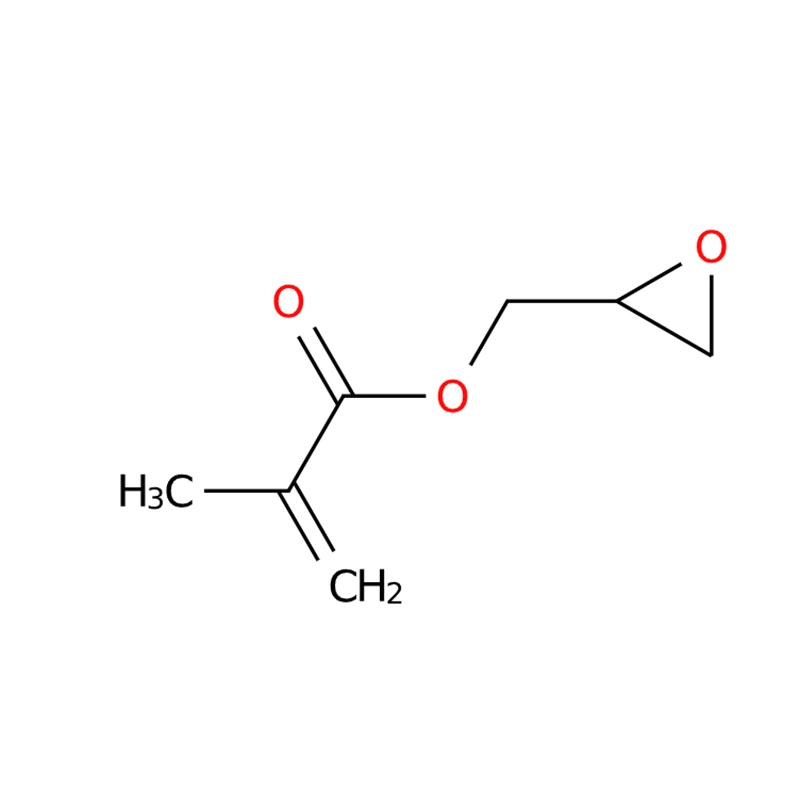
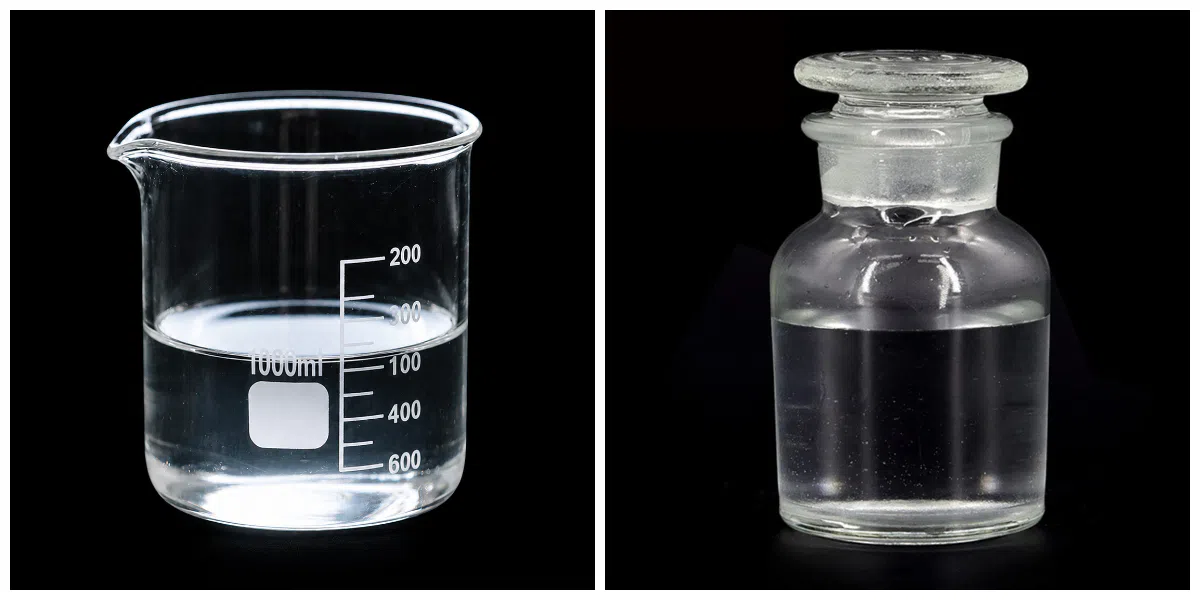
Glycidyl Methacrylate (GMA), CAS No. 106-91-2, is a versatile functional methacrylate monomer widely used in polymer synthesis, resin modification, coatings, and adhesives. It is typically a clear, colorless liquid with a characteristic ester-like odor.
GMA contains two reactive functional groups: a polymerizable methacrylate double bond and a reactive epoxy group. The methacrylate group readily participates in free-radical polymerization and copolymerization with various vinyl and acrylic monomers, while the epoxy group provides additional sites for chemical modification and crosslinking. It can react with functional groups such as carboxyl and amino groups, making it valuable for introducing reactive epoxy functionality into polymer structures.
GMA is slightly soluble in water and readily soluble in many organic solvents. Its relatively low volatility also makes it suitable for various polymer-processing and formulation applications. By incorporating GMA into polymer systems, manufacturers can improve interfacial adhesion, compatibility, crosslinking performance, and mechanical properties, depending on the formulation and processing conditions. It is therefore an important functional monomer for developing high-performance coatings, adhesives, specialty resins, and modified polymers.
Product Parameters
| Melting point | -52°C |
| Boiling point | 189 °C(lit.) |
| Density | 1.075 g/mL at 20 °C |
| Vapor pressure | 4.2hPa at 25℃ |
| Refractive index | n20/D 1.449(lit.) |
| Fp | 169 °F |
| Storage temp. | 2-8°C |
| Solubility | Chloroform (Slightly), Methanol (Slightly) |
| Form | Liquid |
| Color | Clear |
| Water Solubility | 0.5-1.0 g/100 mL at 20 ºC |
| BRN | 2506 |
| Stability: | Unstable. Light sensitive. May be stabilized with around 100ppm MEHQ. Refrigerate. |
| InChIKey | VOZRXNHHFUQHIL-UHFFFAOYSA-N |
| LogP | 0.96 at 25℃ |
| CAS DataBase Reference | 106-91-2(CAS DataBase Reference) |
| IARC | 2A (Vol. 125) In prep. |
| NIST Chemistry Reference | 2-Propenoic acid, 2-methyl-, oxiranylmethyl ester(106-91-2) |
| EPA Substance Registry System | Glycidyl methacrylate (106-91-2) |
Safety Information
| Hazard Codes | Xn,T,T+ |
| Risk Statements | 20/21/22-36/38-43-60-45-68-39/26-34 |
| Safety Statements | 26-28-28A-45-36/37-53-36/37/39 |
| RIDADR | UN 2810 6.1/PG 3 |
| WGK Germany | 2 |
| RTECS | OZ4375000 |
| TSCA | Yes |
| HazardClass | 8 |
| PackingGroup | III |
| HS Code | 29161490 |
| Hazardous Substances Data | 106-91-2(Hazardous Substances Data) |
| Toxicity | dog,LCLo,inhalation,1400mg/m3/6H (1400mg/m3),LUNGS, THORAX, OR RESPIRATION: OTHER CHANGES,National Technical Information Service. Vol. OTS0530684 |
Application Scenarios
Glycidyl Methacrylate (GMA) is a versatile reactive monomer widely used in polymer synthesis, resin modification, coatings, adhesives, and specialty materials. Its combination of a polymerizable methacrylate double bond and a reactive epoxy group enables the introduction of epoxy functionality into various polymer systems, expanding their potential applications.
Epoxy-Functional Polymer Modification: GMA is used to introduce reactive epoxy groups into polyolefins, acrylic polymers, and other resin systems. This functionalization can improve interfacial compatibility, adhesion, and compatibility with other materials.
Coatings and Adhesives: GMA serves as a functional monomer in the production of polymer coatings, surface finishes, and adhesives. Its epoxy functionality provides reactive sites for crosslinking and chemical modification, helping enhance coating adhesion and mechanical performance.
Plastics and Elastomers: GMA is used in polymer grafting and reactive modification to improve compatibility between dissimilar polymers and support the development of functional plastics and elastomeric materials.
Biomaterials and Hydrogel Research: Glycidyl methacrylate-modified dextran has been investigated for the preparation of functional hydrogels and biocompatible materials, with potential applications in biomedical and drug-delivery research.
Macroporous Adsorbent Materials: GMA can be copolymerized with crosslinking monomers such as trimethylolpropane trimethacrylate (TMPTMA) to prepare macroporous polymer materials. These materials can be further functionalized for adsorption, separation, and purification applications.
Polypropylene Grafting: GMA can be grafted onto polypropylene (PP) to introduce epoxy functionality, improving its potential for reactive blending, polymer compatibility enhancement, and surface modification.