Product Description
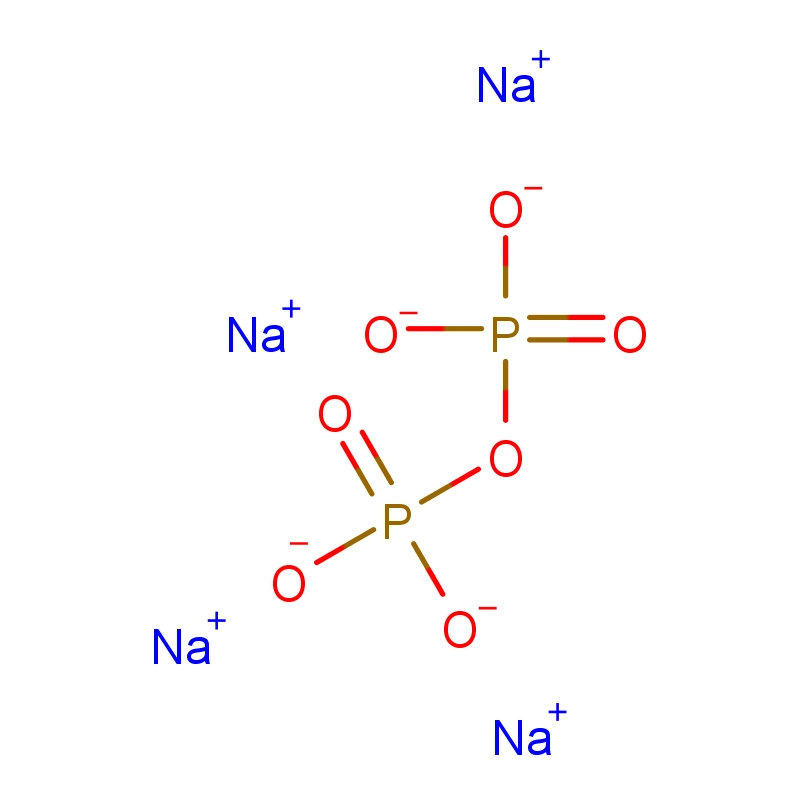
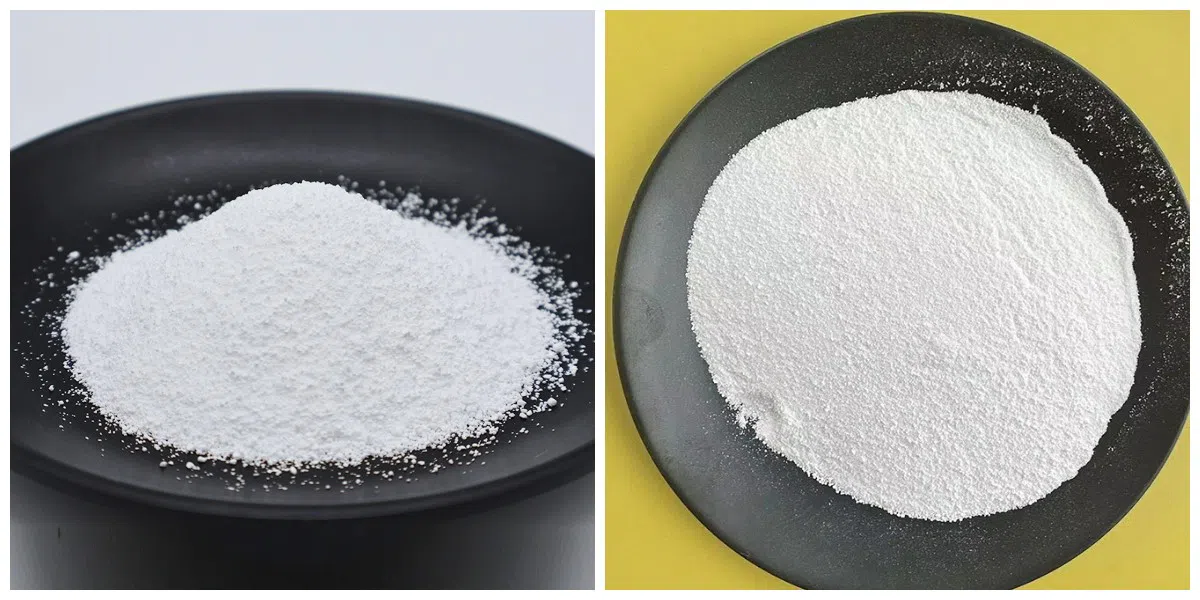
Tetrasodium Pyrophosphate (TSPP), also known as Sodium Pyrophosphate or Tetrasodium Diphosphate, is an inorganic phosphate compound with the chemical formula Na₄P₂O₇. It typically appears as a white, odorless crystalline powder or granular solid and is highly soluble in water. Due to its excellent buffering, dispersing, water-softening, and metal-ion sequestration properties, TSPP is widely used in industrial manufacturing, food processing, household cleaning products, and laboratory applications.
In laboratory research, Tetrasodium Pyrophosphate is commonly employed as a buffering and extraction agent. For example, it can be incorporated into EDTA-sodium pyrophosphate extraction buffer systems for the extraction and analysis of microcystins in soil samples.
In industrial applications, TSPP functions as a water-softening agent, dispersant, detergent builder, and sequestering agent. It is used in metal cleaning, electrodeposition processes, wool scouring and degreasing, soap manufacturing, and synthetic detergent formulations. Its ability to bind calcium, magnesium, and certain other metal ions helps control water hardness and improve formulation performance.
Tetrasodium Pyrophosphate also has applications in oral care and food processing. In toothpaste and dental floss formulations, it serves as an anti-tartar ingredient to help control dental calculus formation. In food manufacturing, food-grade TSPP is used as a functional additive in selected products, including chicken nuggets, crab meat, and canned tuna, where it helps improve moisture retention, texture, and processing consistency.
Product Parameters
| Melting point | 80 °C |
| Boiling point | 93.8 °C |
| Density | 2.53 g/mL at 25 °C(lit.) |
| Vapor pressure | 0Pa at 20℃ |
| Storage temp. | Inert atmosphere,Room Temperature |
| Solubility | H2O: 0.1 M at 20 °C, clear, colorless |
| Form | Granular |
| Color | White |
| Specific Gravity | 2.534 |
| Odor | Odorless |
| PH Range | 10.3 |
| Water Solubility | Soluble in water. Insoluble in ethyl alcohol. |
| Sensitive | Hygroscopic |
| Merck | 14,9240 |
| Exposure limits | NIOSH: TWA 5 mg/m3 |
| Stability: | Stable. Incompatible with strong oxidizing agents. |
| InChIKey | FQENQNTWSFEDLI-UHFFFAOYSA-J |
| LogP | -3.42 |
| CAS DataBase Reference | 7722-88-5(CAS DataBase Reference) |
| EPA Substance Registry System | Tetrasodium pyrophosphate (7722-88-5) |
Safety Information
| Hazard Codes | Xi,Xn |
| Risk Statements | 36/37/38-41-22 |
| Safety Statements | 26-36-39 |
| OEB | B |
| OEL | TWA: 5 mg/m3 |
| WGK Germany | 3 |
| RTECS | UX7350000 |
| TSCA | Yes |
| HS Code | 28353990 |
| Hazardous Substances Data | 7722-88-5(Hazardous Substances Data) |
Application Scenarios
Tetrasodium Pyrophosphate (TSPP), also known as Sodium Pyrophosphate or Tetrasodium Diphosphate, is an inorganic phosphate compound with mildly alkaline properties. It typically exhibits a pH of approximately 10 in aqueous solution, depending on concentration and testing conditions. With moderate water solubility, TSPP offers excellent buffering, emulsifying, dispersing, and metal-ion sequestration capabilities, making it a versatile functional ingredient in food processing and various industrial applications.
In the food industry, TSPP serves as a multifunctional additive with applications in processed foods and beverage formulations. In instant pudding preparations, it helps regulate gel formation and improve texture. In processed cheese products, it functions as an emulsifying salt, helping stabilize fat distribution and control melting characteristics. It is also used as a dispersing agent in malted milk and powdered chocolate beverages to improve ingredient dispersion and formulation consistency. In canned tuna, TSPP helps control phosphate-related interactions and maintain product texture during processing.
Beyond food processing, TSPP is also used in industrial formulations and surface treatment applications. Its phosphate-based chemistry provides useful buffering and metal-ion binding properties, supporting its use in selected electrochemical and surface-processing systems. Its suitability for specific applications depends on product grade, formulation requirements, and applicable regulatory standards.