
Product Description
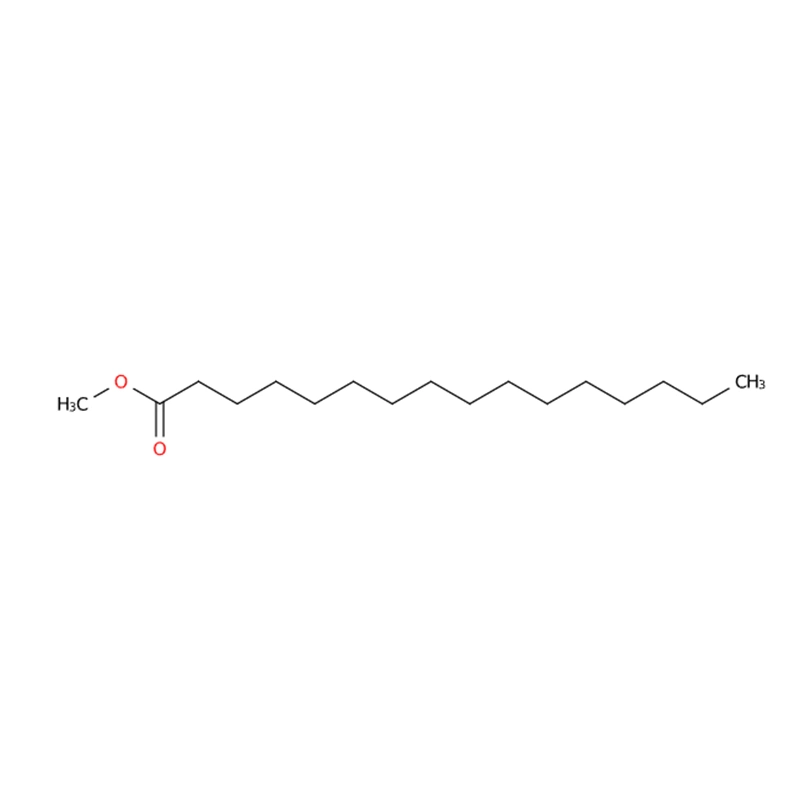
Methyl palmitate is a naturally sourced fatty acid ester prevalent in plant essential oils, and its intracellular content is susceptible to methanol exposure. Biological tests on Kupffer cells have proven its regulatory impact on cellular activity, including phagocytosis inhibition and partial cell viability changes.
Product Parameters
| Melting point | 32-35 °C (lit.) |
| Boiling point | 185 °C/10 mmHg (lit.) |
| Density | 0.852 g/mL at 25 °C (lit.) |
| Vapor pressure | 0.008Pa at 25℃ |
| Refractive index | n20/D 1.4512(lit.) |
| Fp | >230 °F |
| Storage temp | 2-8°C |
| Solubility | Chloroform (Sparingly), Methanol (Slightly) |
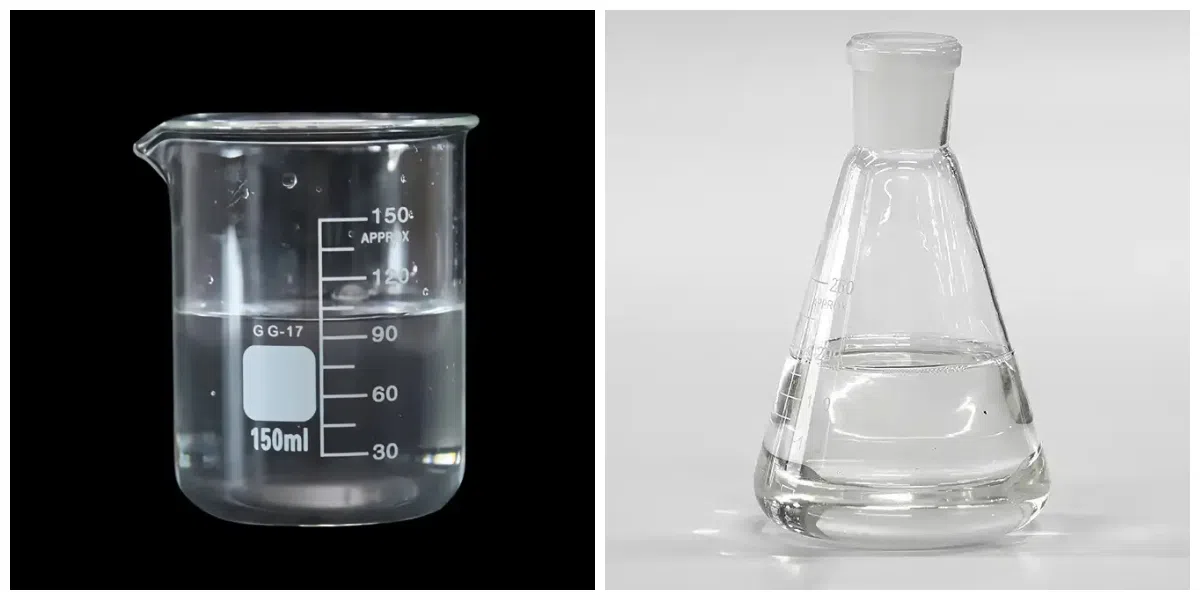
| Form | Liquid or Low Melting Solid |
| Specific Gravity | 0.852 |
| Color | Clear colorless |
| Odor | at 100.00 %. oily waxy fatty orris |
| Odor Type | waxy |
| biological source | plant (palm) |
| Water Solubility | INSOLUBLE |
| BRN | 1780973 |
| LogP | 7.38 at 36℃ |
| CAS DataBase Reference | 112-39-0(CAS DataBase Reference) |
| NIST Chemistry Reference | Hexadecanoic acid, methyl ester(112-39-0) |
| EPA Substance Registry System | Methyl palmitate (112-39-0) |
| Safety Statements | 22-24/25 |
| WGK Germany | 1 |
| TSCA | Yes |
| HS Code | 29157090 |
| Hazardous Substances Data | 112-39-0(Hazardous Substances Data) |
Application Scenarios
Industrially, it acts as a versatile auxiliary material for producing detergents, emulsifiers, wetting agents, stabilizers, synthetic resins, lubricants, plasticizers and animal feed additives.
In biomedical research, it presents promising anti-inflammatory and anti-fibrotic bioactivities. It can effectively alleviate bleomycin-triggered lung inflammation and pulmonary fibrosis in animal models, and delivers protective effects against carbon tetrachloride-induced liver damage and hepatic fibrosis. Such protective effects are closely linked with the down-regulation of TGF-β, a key protein that governs cell proliferation and differentiation.