
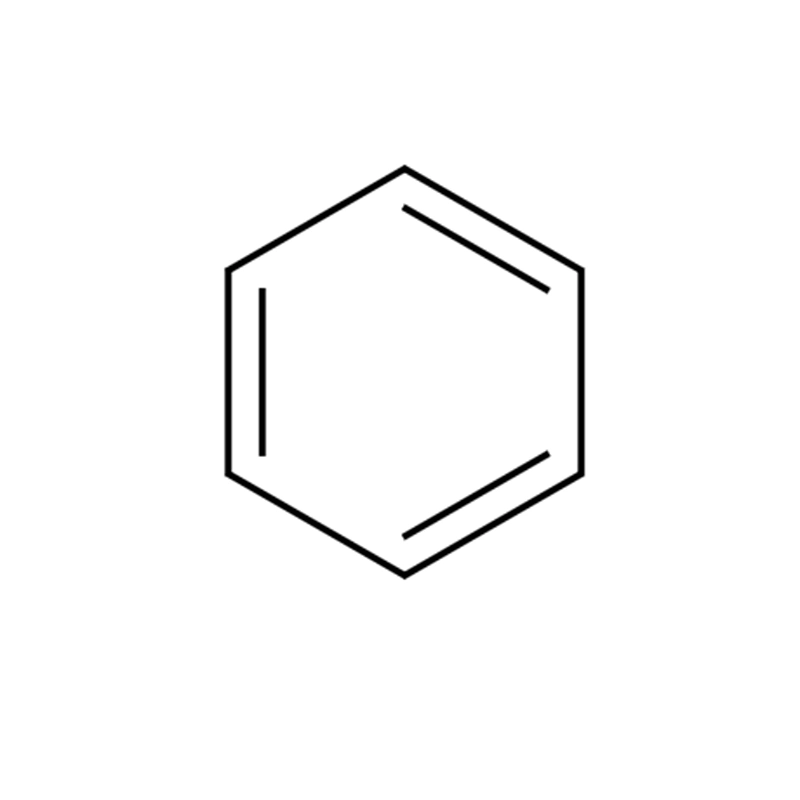
Product Description
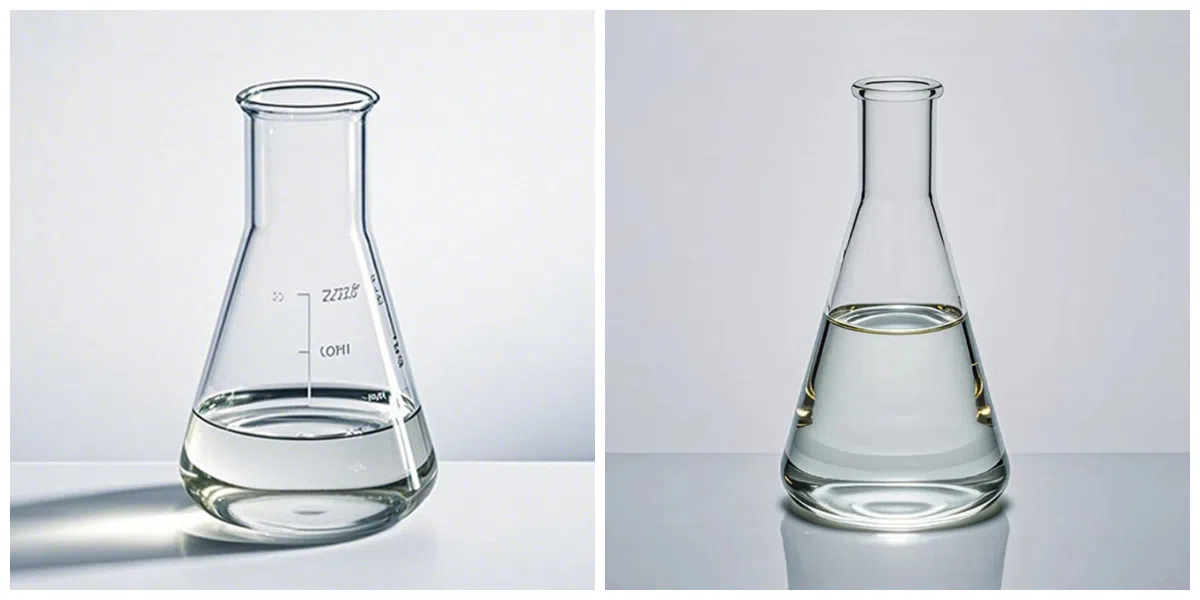
Benzene (C₆H₆) is an important aromatic hydrocarbon and fundamental petrochemical feedstock. It is a clear, colorless, highly flammable liquid with a characteristic aromatic odor.
Benzene is one of the key building blocks in the chemical industry and is widely used in the production of polymers, synthetic fibers, synthetic rubber, resins, and other chemical products.
It also serves as a major raw material for manufacturing a broad range of downstream chemicals, including styrene, phenol, cyclohexane, aniline, and alkylbenzene derivatives.
With its versatile chemical reactivity and extensive downstream applications, benzene plays an important role in the petrochemical, plastics, synthetic rubber, coatings, detergents, and specialty chemicals industries.
Product Parameters
| Chemical Formula | C₆H₆ |
| Molecular Weight | 78.11 g/mol |
| CAS Number | 71-43-2 |
| IUPAC Name | Benzene |
| Synonyms | Benzol, Phenyl Hydride, Cyclohexatriene |
| Boiling Point | 80.1°C |
| Melting Point | 5.5°C |
| Density | 0.879 g/cm³ at 20°C |
| Vapor Pressure | 12.8 mmHg at 20°C |
| Solubility | Insoluble in water, soluble in organic solvents like alcohol, ether, and chloroform |
| Flash Point | -11°C (10°F) (closed cup) |
| Appearance | Colorless liquid with a sweet odor |
| Refractive Index | 1.501 at 20°C |
| Viscosity: | 0.65 cP at 25°C |
| Evaporation Rate: | 4.4 (butyl acetate = 1) |
| Packaging | 180kg/Drum, 1000kg/IBC, or bulk tanker |
Application Scenarios
Benzene is an important petrochemical feedstock and chemical intermediate used primarily for the production of a wide range of downstream chemicals and materials.
Chemical Manufacturing
· Styrene Production: Benzene is a major feedstock for producing styrene, which is further used in polystyrene, ABS resins, synthetic rubber, and other polymers.
· Phenol Production: Benzene is used to manufacture phenol, an important intermediate for phenolic resins, engineering plastics, adhesives, and other specialty chemicals.
· Cyclohexane Production: Benzene can be hydrogenated to produce cyclohexane, which is an important feedstock for nylon intermediates and synthetic fibers.
· Caprolactam Production: Benzene is used as an upstream raw material in the production of caprolactam, a key monomer for nylon 6.
Pharmaceutical and Chemical Intermediates
Benzene serves as an important starting material for the synthesis of various organic chemicals, pharmaceutical intermediates, and specialty chemical products.
Synthetic Rubber and Polymer Industry
Benzene-derived chemicals are widely used in the manufacture of synthetic rubber, resins, plastics, and other polymeric materials, supporting applications in automotive, industrial, and consumer products.
Solvent Applications
Benzene has historically been used as an industrial and laboratory solvent for organic materials such as oils and resins. However, due to its carcinogenicity and associated health risks, its use as a solvent has been significantly reduced and replaced by safer alternatives in many applications.
Overall, benzene is primarily valued today as a basic petrochemical building block for producing styrene, phenol, cyclohexane, and numerous other downstream chemicals rather than as a general-purpose solvent.