
Product Description
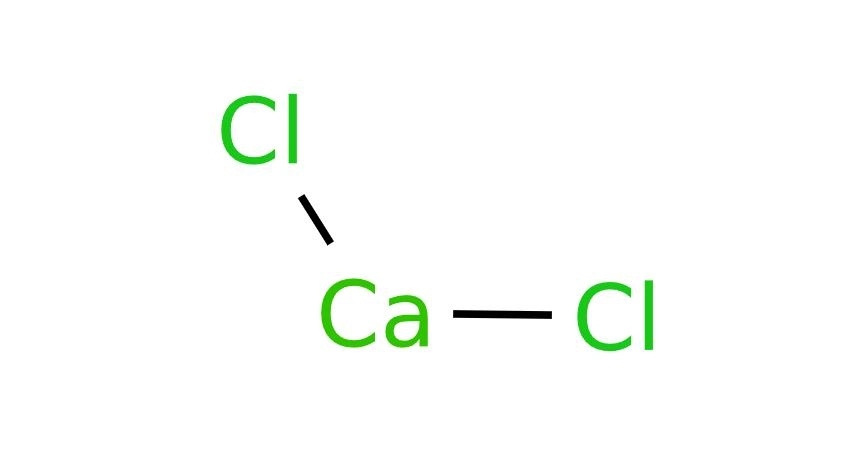
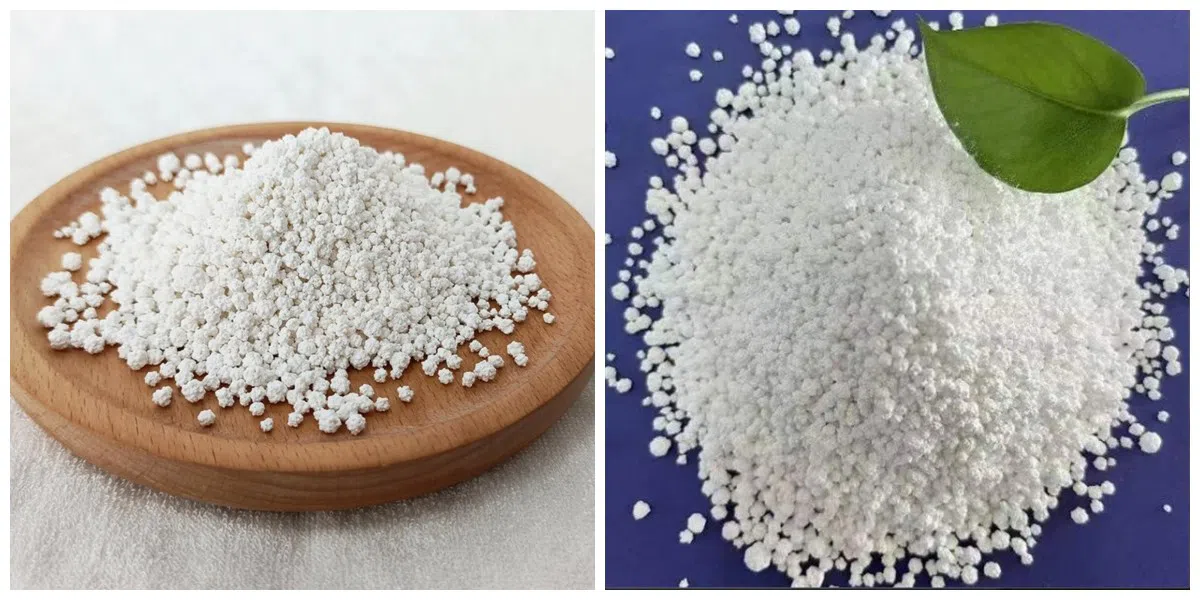
Anhydrous Calcium Chloride (CaCl₂, CAS No. 10043-52-4) is a white, porous crystalline solid or granular material with strong hygroscopic and deliquescent properties. It readily absorbs moisture from the surrounding environment, making it widely used as a drying agent, deicing agent, dust suppressant, and moisture-control material.
Anhydrous calcium chloride has a melting point of approximately 772°C and a density of about 2.15 g/cm³. It dissolves readily in water with the release of considerable heat and is also soluble in several polar organic solvents, including ethanol and acetone.
Calcium chloride is available in several hydration states, including anhydrous CaCl₂, calcium chloride dihydrate (CaCl₂·2H₂O), and calcium chloride hexahydrate (CaCl₂·6H₂O). These forms can undergo hydration and dehydration depending on temperature and environmental conditions.
The strong moisture absorption and heat-release characteristics of calcium chloride make it suitable for a wide range of industrial applications, including refrigeration and dehumidification, gas drying, concrete treatment, deicing, dust control, food processing, and chemical manufacturing.
Product Parameters
Hydration States & Phase Transitions
| Form | Properties | Transition Behavior |
| Hexahydrate (CaCl₂·6H₂O) | - Colorless trigonal crystals - Density: 1.71 g/cm³ - Hygroscopic, bitter taste | Melts at 29.92°C in own water → Releases 4H₂O at 30°C |
| Dihydrate (CaCl₂·2H₂O) | White porous solid, moisture-absorbing | → Monohydrate at 175°C |
| Monohydrate | Lamellar structure | → Anhydrous at 200°C |
| Anhydrous | Cubic fluorite crystal structure (FCC) | Highly reactive with atmospheric moisture |
Special Reaction:
Forms ammoniate (CaCl₂·8NH₃) with ammonia gas – a reversible reaction used in refrigeration:
CaCl2+8 NH3⇌CaCl2 ⋅ 8 NH3 (ΔH=−88 k J/mol)CaClX2+8NHX3CaClX2⋅8NHX3 (ΔH=−88 kJ/mol)
Industrial Specifications
| Grade | Purity | Key Impurities | Form |
| Technical Grade | 94-97% | Alkali chlorides <3% | Flakes/Pellets |
| Food Grade | >99.0% | Heavy metals <10ppm | Prills |
| Pharma Grade | USP/EP | As<1ppm, Pb<0.5ppm | Powder/Granules |
| Reagent Grade | 99.99% | SO₄²⁻<0.001% | Crystalline |
Application Scenarios
1. Deicing & Dust Control
Road Deicing: Calcium chloride lowers the freezing point of water and is widely used for snow and ice control on roads, bridges, and other transportation surfaces.
Dust Suppression: Applied to unpaved roads and industrial surfaces, calcium chloride absorbs atmospheric moisture and helps bind fine particles, reducing dust generation.
2. Industrial Drying
Gas and Air Drying: Its strong hygroscopic properties make calcium chloride suitable for drying gases and controlling moisture in industrial processes.
Refrigeration Systems: It can be used as a moisture-control material in selected refrigeration and HVAC applications, subject to system compatibility.
3. Concrete Acceleration
Set-Time Control: Calcium chloride can act as an accelerating admixture for concrete, helping shorten setting time and improve early-age strength development in suitable formulations.
Cold-Weather Construction: It can support concrete work under low-temperature conditions, with dosage and application controlled according to applicable standards and project requirements.
4. Food Processing
Firming Agent: Food-grade calcium chloride is used as a firming agent in products such as canned vegetables, fruits, and processed foods where permitted by local regulations.
Electrolyte Source: It can also serve as a source of calcium ions and electrolytes in selected food and beverage formulations.
5. Thermal Energy Applications
Calcium chloride hydrates have attracted interest in thermochemical heat storage and thermal management systems because of their reversible hydration and dehydration behavior. They can also be incorporated into selected phase-change and heat-storage materials, depending on system design and operating conditions.