
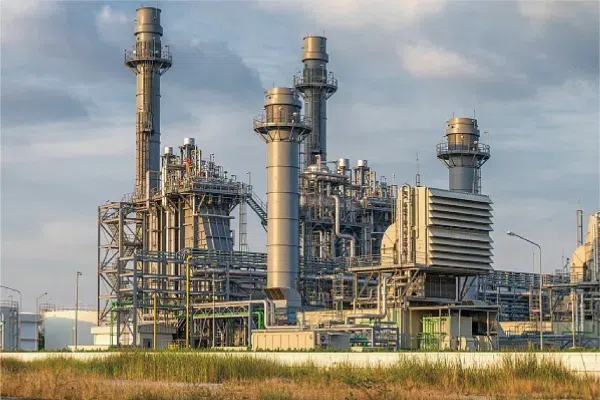
Foam is a common problem in wastewater treatment, industrial circulating water systems, industrial wastewater treatment, and various other water treatment processes. Aeration, agitation, circulation, organic matter, surfactants, and other factors can all contribute to excessive foam formation. If the foam is not controlled in time, it may affect normal equipment operation and can also cause overflow, inaccurate liquid-level readings, and contamination of the surrounding work area.
This is why many water treatment systems use water treatment defoamers. So, what is a water treatment defoamer? What are its main ingredients? What does it do? And how should you choose a suitable water treatment defoamer? The following sections provide an overview from a practical application perspective.
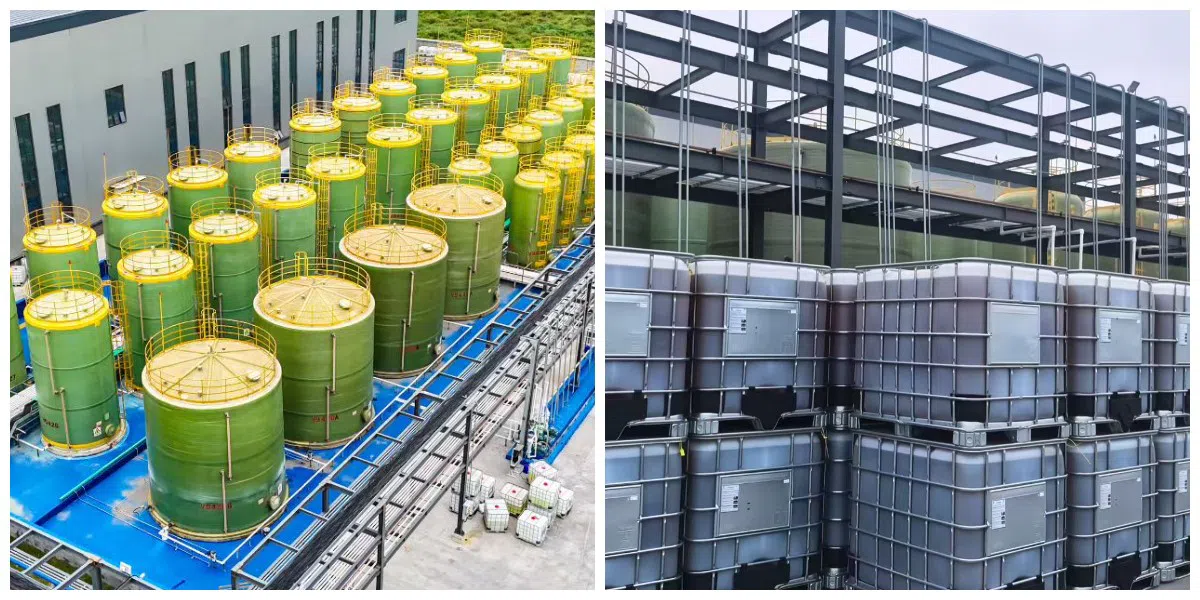
1. What Is a Water Treatment Defoamer?
A water treatment defoamer is a type of functional chemical additive specifically designed to control foam generated during water treatment processes. It is commonly used in wastewater treatment, industrial wastewater treatment, circulating water systems, aeration tanks, equalization tanks, and certain chemical water treatment processes.
A defoamer does not simply "push down" the foam. Instead, it works by reducing the stability of the foam film, promoting bubble rupture, and inhibiting further foam formation, thereby providing both rapid defoaming and sustained foam suppression.
Because the causes of foaming vary among different water treatment processes, the selection of a water treatment defoamer should take into account factors such as water quality, temperature, pH, pollutant composition, and operating conditions.
2. What Are the Main Ingredients of Water Treatment Defoamers?
The composition of a water treatment defoamer varies depending on the product type and application. Common formulations include polyether-based, silicone-based, mineral oil-based, and composite defoamer systems.
Polyether defoamers generally provide good foam suppression and system compatibility and are widely used in certain wastewater treatment, fermentation, and high-temperature water applications.
Silicone-based defoamers typically provide rapid foam-breaking performance and are commonly used where rapid reduction of surface foam is required.
Composite water treatment defoamers use the synergistic effects of different active components to balance foam-breaking speed, foam suppression performance, and compatibility with the treatment system.
Therefore, the performance of a defoamer cannot be determined simply by asking "what ingredients does the defoamer contain?" Ultimately, its suitability depends on how well the formulation matches the specific water treatment system.
3. What Does a Water Treatment Defoamer Do?
The primary function of a water treatment defoamer is to control foam generated during industrial processes, but its practical applications go beyond simply eliminating foam.
1. Rapid Foam Breaking
When large amounts of foam accumulate on the surface of an aeration tank, reaction tank, or circulation tank, a suitable defoamer can rapidly disrupt the foam structure and reduce foam height.
2. Continuous Foam Suppression
A high-performance water treatment defoamer should not only eliminate existing foam quickly but also help delay the re-formation of foam and reduce the frequency of repeated dosing.
3. Improved Equipment Operation
Excessive foam may cause abnormal liquid-level measurements, foam carryover into pipelines, or even overflow. Effective foam control can help maintain stable equipment operation.
4. Improved Working Environment
For wastewater treatment plants and industrial wastewater treatment systems, excessive foam overflow can negatively affect the surrounding working environment. Proper use of a defoamer can help reduce the risk of foam overflow.
4. How Does a Water Treatment Defoamer Work?
Foam is essentially a stable dispersion system consisting of a large number of gas bubbles. Thin liquid films exist between the bubbles, while surfactants, proteins, organic matter, and other components in the water may increase the stability of these liquid films and make the foam more resistant to natural collapse.
When a water treatment defoamer enters the foam system, it interacts at the gas-liquid interface and disrupts the stability of the existing foam film.
As liquid drains from the film, localized film thickness decreases, and interfacial stability is reduced. The bubbles then rapidly coalesce and rupture, resulting in a defoaming effect.
Different types of defoamers may work through different mechanisms and exhibit different performance characteristics. Therefore, practical product selection should consider factors such as defoaming speed, foam suppression duration, dispersion performance, and system compatibility.
5. Why Is Defoaming Necessary in Wastewater Treatment?
Foam formation during wastewater treatment can have various causes.
For example, during aeration, air is continuously introduced into the water. Surfactants and organic pollutants in the water may stabilize the resulting bubbles. Some industrial wastewater also contains surfactants, oils, proteins, and other substances that can readily generate large amounts of foam.
If foam accumulates for an extended period, it may cover the surface of the treatment tank, making on-site observation and equipment maintenance more difficult. In severe cases, foam may overflow from the tank.
Therefore, defoamers commonly used in wastewater treatment should generally provide effective rapid foam breaking and sustained foam suppression, while avoiding significant adverse effects on subsequent treatment processes.
6. Which Type of Water Treatment Defoamer Is Best?
There is no simple answer to the question of "which defoamer is the best," because different operating conditions require different product characteristics.
For systems operating at relatively high temperatures, temperature resistance should be an important consideration. If foam is continuously generated, particular attention should be paid to foam suppression performance. If downstream processes involve membrane treatment, filtration, coating, or other sensitive operations, greater emphasis should be placed on the defoamer's compatibility with the treatment system.
For wastewater treatment systems, it is also important to evaluate whether the defoamer may affect subsequent biological treatment, sedimentation, filtration, or other processes.
Therefore, when selecting a water treatment defoamer, it is recommended to conduct a laboratory or pilot-scale test first, and then determine the appropriate product grade and dosage based on actual foam conditions rather than selecting a product solely according to price or appearance.
7. What Color of Water Treatment Defoamer Is Best?
"What color of water treatment defoamer is best?" is another question frequently asked by purchasers.
In practice, the color of a defoamer is not a direct indicator of its performance. Different raw materials, active components, and formulation systems may result in different appearances, including transparent, milky white, or light-colored products.
Instead of focusing on color, greater attention should be paid to defoaming speed, foam suppression duration, stability, dispersibility, and actual application performance.
For industrial procurement, the actual foam-control performance under operating conditions is a more meaningful basis for evaluating whether a water treatment defoamer is suitable.
8. What Factors Affect the Price of Water Treatment Defoamers?
The price of a water treatment defoamer is affected by various factors, including product type, raw material system, active ingredient content, formulation technology, packaging specifications, and purchase volume.
Although different products may all be marketed as water treatment defoamers, their prices can vary significantly because their formulations and application objectives may be different.
More importantly, purchasers should not compare products solely on a price-per-ton basis. The actual dosage should also be taken into account. For example, a product may have a lower unit price but require a higher dosage or more frequent dosing, resulting in a higher overall operating cost.
Therefore, whether the price of a water treatment defoamer is reasonable should be evaluated together with its actual dosage and treatment performance.
9. How to Choose a Water Treatment Defoamer Manufacturer?
When selecting a water treatment defoamer manufacturer, several factors should be considered.
First, evaluate whether the manufacturer has stable R&D and production capabilities and can provide suitable products for different water treatment conditions.
Second, examine the manufacturer's quality control system, including raw material control, production process control, and finished-product testing.
Third, consider whether the manufacturer can provide technical support. Foam problems in industrial water treatment are often closely related to water quality and process conditions. Simply supplying a general-purpose product may not be sufficient to address every application.
10. How Should Water Treatment Defoamers Be Used?
The application method of a water treatment defoamer should generally be determined according to the actual foam-generation conditions.
For systems where large amounts of foam have already formed, the defoamer can be applied by direct addition, continuous dosing with a metering pump, or intermittent dosing. For systems where foam is continuously generated, an automatic chemical dosing system can be used for continuous control.
The dosage should not be increased blindly at the beginning. It is generally recommended to start with a small dosage and gradually adjust it based on the rate of foam reduction, duration of foam control, and recurrence of foaming.
At the same time, the effects of the defoamer on water quality, downstream treatment processes, and equipment operation should be monitored after dosing.
Conclusion
A water treatment defoamer is not simply a "foam remover." It is a functional chemical additive developed for different water treatment processes and operating conditions.
Understanding what a water treatment defoamer is, its ingredients, functions, working principle, and selection criteria can help users make more appropriate product choices.
For industrial customers, selecting a defoamer should not be based solely on price or appearance. Greater attention should be paid to actual defoaming performance, foam suppression duration, dosage, system compatibility, and the manufacturer's technical support capabilities.
If problems such as wastewater foam, aeration tank foam, or industrial wastewater foam occur, the appropriate water treatment defoamer can be selected based on actual water quality, temperature, pH, foaming process, and existing dosage. Laboratory testing or on-site trials can then be conducted to determine the most suitable product and dosage.


