
Product Description
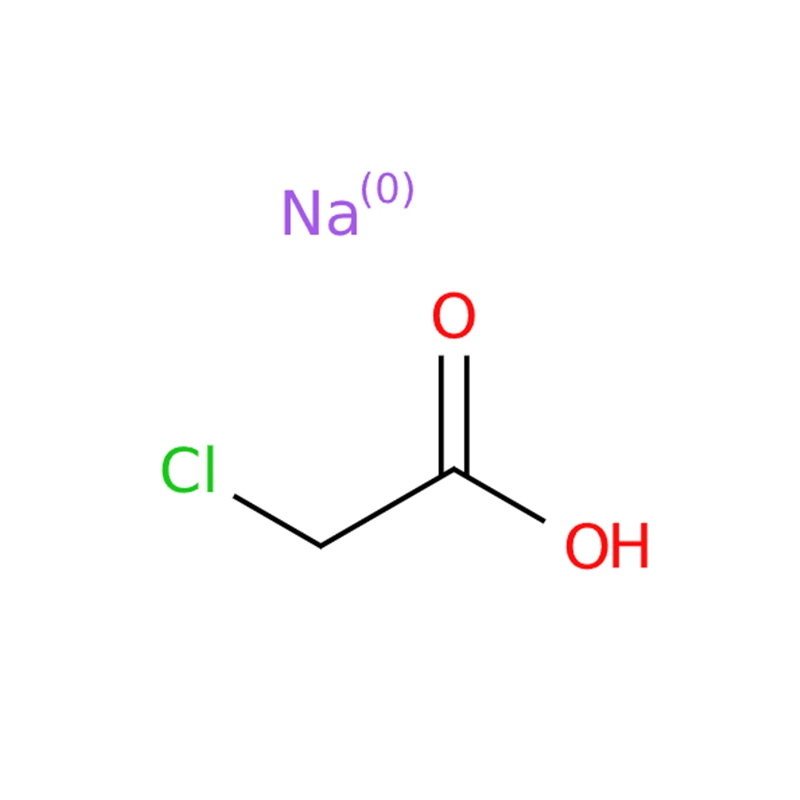
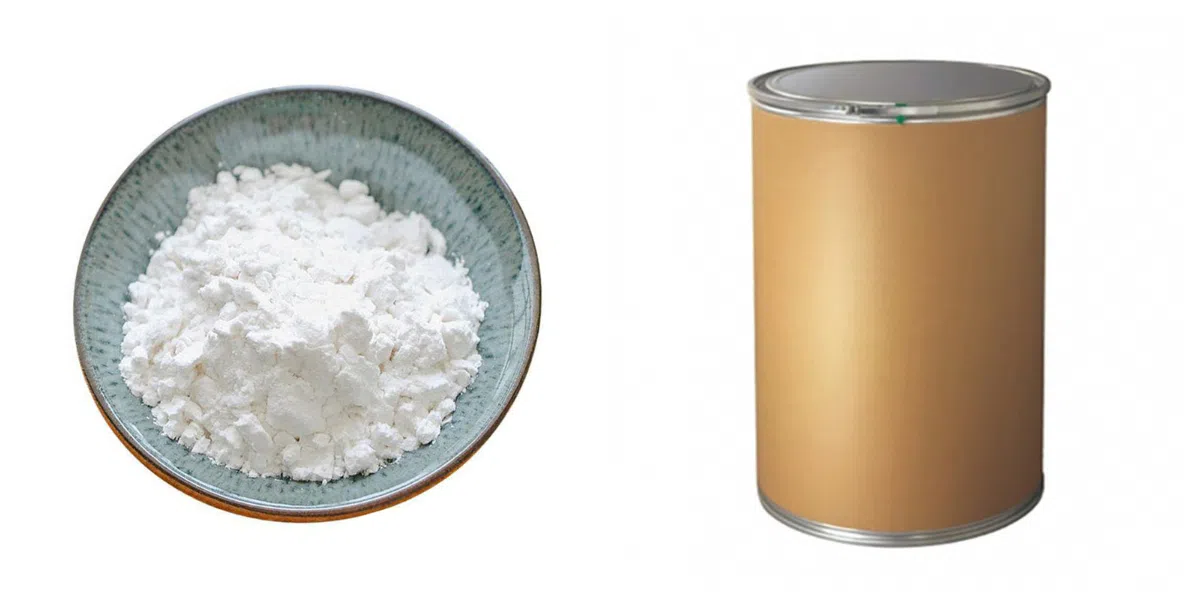
Sodium chloroacetate is an organic sodium salt of chloroacetic acid. It typically appears as a white crystalline solid or powder and is highly soluble in water. According to the International Chemical Safety Cards (ICSC), its water solubility is approximately 85 g/100 mL at 20°C.
Sodium chloroacetate is an important chemical intermediate used in organic synthesis and the manufacture of various industrial chemicals. Its applications include the production of dyes, herbicides, and selected pharmaceutical intermediates.
Sodium chloroacetate is toxic if swallowed and requires appropriate handling precautions. Supplier safety data indicate an acute oral LD₅₀ of 95 mg/kg in rats; the exact value should be confirmed against the SDS for the specific product grade. Appropriate protective equipment, safe handling procedures, and environmental controls should be followed during storage and use.
Product Parameters
| Melting point | 199 °C (dec.)(lit.) |
| density | 1.87[at 20℃] |
| vapor pressure | 0.001Pa at 20℃ |
| Fp | 270°C |
| storage temp. | -20°C |
| solubility | 820g/l |
| form | Crystalline Powder |
| color | White |
| PH | 4.5-9.0 (50g/l, H2O, 20℃) |
| Water Solubility | 440 g/L (20 ºC) |
| Sensitive | Hygroscopic |
| Merck | 142112 |
| BRN | 3597157 |
| Stability: | Stable. Incompatible with strong oxidizing agents. |
| LogP | -3.8 at 20℃ |
| CAS DataBase Reference | 3926-62-3(CAS DataBase Reference) |
| EPA Substance Registry System | Sodium chloroacetate (3926-62-3) |
| Hazard Codes | T,N |
| Risk Statements | 25-38-50-36 |
| Safety Statements | 22-37-45-61-26 |
| RIDADR | UN 2659 6.1/PG 3 |
| WGK Germany | 2 |
| RTECS | AG1400000 |
| TSCA | Yes |
| HazardClass | 6.1 |
| PackingGroup | III |
| HS Code | 29154000 |
| Toxicity | LD50 orally in Rabbit: 95 mg/kg LD50 dermal Rat > 2000 mg/kg |
Application Scenarios
Sodium chloroacetate is an important organic chemical intermediate used in a variety of industrial synthesis processes. Its reactive chloroacetate group makes it a useful starting material for the production of specialty chemicals and other chemical derivatives.
Key application areas include:
Organic Chemical Synthesis: Used as an intermediate in the preparation of various organic compounds and specialty chemicals.
Pharmaceutical Industry: Used in selected chemical synthesis pathways for pharmaceutical intermediates, depending on the target compound.
Agrochemical Industry: Serves as a raw material for the synthesis of certain pesticide and herbicide intermediates.
Dye and Colorant Manufacturing: Can be used in the production of selected dyes and related chemical intermediates.
Other Industrial Applications: May be used in specialized chemical processes, subject to the requirements of the formulation and manufacturing process.