Product Description
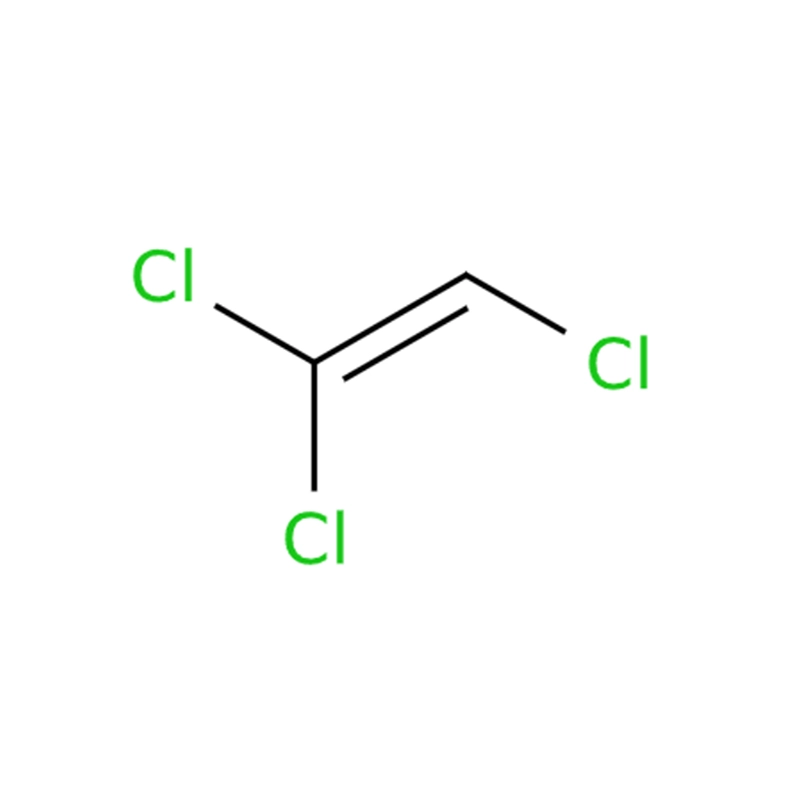
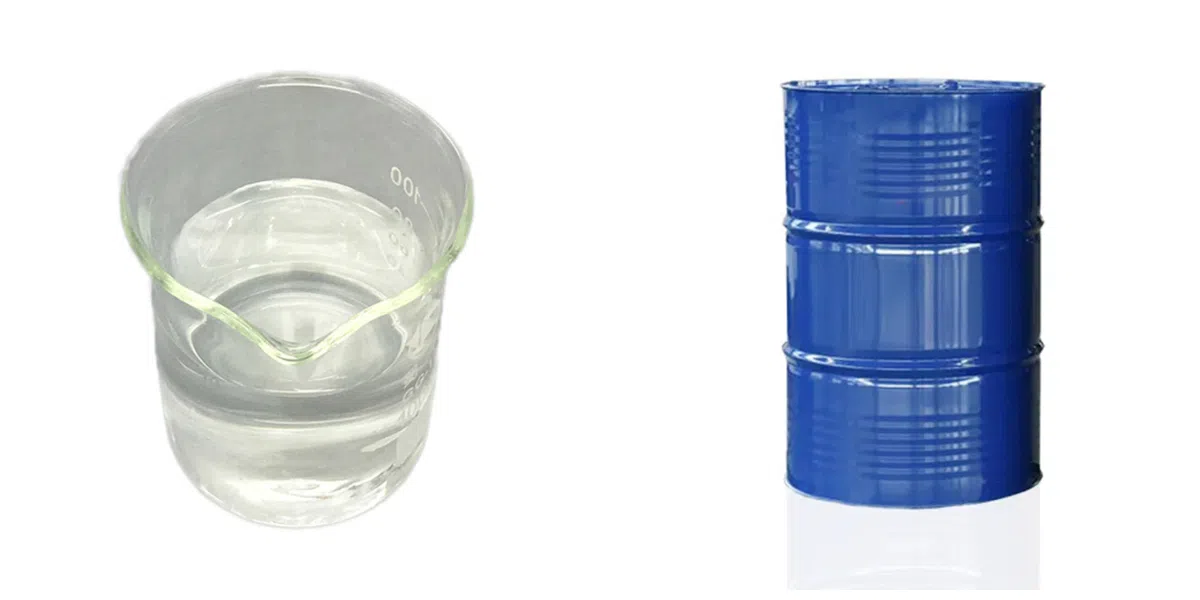
Trichloroethylene (TCE) is a chlorinated organic solvent with the molecular formula C₂HCl₃. It is a colorless, volatile liquid with a characteristic sweet odor. TCE has low solubility in water and is miscible with many organic solvents, including ethanol and diethyl ether. It is generally classified as non-flammable under normal conditions.
With its strong solvent power, relatively low boiling point, and high volatility, trichloroethylene has traditionally been used in industrial metal degreasing, precision cleaning, and selected manufacturing processes. It can remove oils, grease, and certain persistent residues from suitable surfaces. Its effectiveness depends on the contaminant, substrate, and cleaning method.
Trichloroethylene has also been used as a solvent or extractant in selected industrial applications and as a chemical intermediate in the manufacture of certain chlorinated and fluorinated compounds. Specific downstream applications and process suitability depend on the production route, technical specifications, and applicable regulations.
Safety and Handling
Trichloroethylene presents significant health hazards, including risks associated with inhalation and prolonged exposure. It is classified as carcinogenic to humans by major health authorities. Use, storage, and disposal should comply with the applicable regulations and the supplier's Safety Data Sheet (SDS). Appropriate engineering controls, workplace exposure management, and personal protective equipment are essential.
Product Parameters
| Melting point | -86 °C |
| Boiling point | 87 °C |
| density | 1.463 g/mL at 25 °C(lit.) |
| vapor density | 4.5 (vs air) |
| vapor pressure | 61 mm Hg ( 20 °C) |
| refractive index | n20/D 1.476(lit.) |
| Fp | 90°C |
| storage temp. | 2-8°C |
| solubility | Soluble in acetone, ethanol, chloroform, ether (U.S. EPA, 1985), and other organic solvents including bromoform, carbon tetrachloride, methylene chloride, trichloroethylene, and tetrachloroethylene. |
| form | Liquid |
| color | Clear colorless |
| Odor | Chloroform-like; ethereal. |
| Odor Threshold | 3.9ppm |
| Water Solubility | Slightly soluble. 0.11 g/100 mL |
| Merck | 149639 |
| BRN | 1736782 |
| Henry's Law Constant | 3.14 at 1.8 °C, 8.47 at 21.6 °C, 19.0 at 40.0 °C, 26.5 at 50 °C, 35.8 at 60 °C, 56.6 at 70 °C (EPICS-GC, Shimotori and Arnold, 2003) |
| Exposure limits | TLV-TWA 50 ppm (~270 mg/m3) (ACGIH), 100 ppm (MSHA and OSHA); TLV-STEL 200 ppm (ACGIH); ceiling 200 ppm (OSHA); carcinogenicity: Animal Lim ited Evidence, Human Inadequate Evidence (IARC). |
| Dielectric constant | 3.4(16℃) |
| Stability: | Stable. Incompatible with oxidizing agents, aluminium, magnesium, strong bases, reducing agents. Light-sensitive. Reacts violently with many metals, ozone, potassium nitrate, potassium hydroxide, sodium hydroxide. |
| LogP | 2.53 at 20℃ |
| CAS DataBase Reference | 79-01-6(CAS DataBase Reference) |
| IARC | 1 (Vol. Sup 7, 63, 106) 2014 |
| NIST Chemistry Reference | Trichloroethylene(79-01-6) |
| EPA Substance Registry System | Trichloroethylene (79-01-6) |
| Hazard Codes | T,F |
| Risk Statements | 45-36/38-52/53-67-68-39/23/24/25-23/24/25-11 |
| Safety Statements | 53-45-61-36/37-16-7 |
| RIDADR | UN 1710 6.1/PG 3 |
| WGK Germany | 3 |
| RTECS | KX4550000 |
| TSCA | Yes |
| HazardClass | 6.1 |
| PackingGroup | III |
| HS Code | 29032200 |
| Hazardous Substances Data | 79-01-6(Hazardous Substances Data) |
| Toxicity | LD50 orally in rats: 4.92 ml/kg; LC (4 hrs) in rats: 8000 ppm (Smyth) |
| IDLA | 1,000 ppm |
Application Scenarios
Trichloroethylene (TCE) is a chlorinated organic solvent that has been used in industrial cleaning, chemical manufacturing, and selected solvent-extraction processes. Its strong solvency and volatility have made it useful in a range of industrial applications. However, its use is subject to significant occupational health and environmental regulations in many markets.
1. Industrial Cleaning and Degreasing
Trichloroethylene has traditionally been used for degreasing metal components and cleaning precision-engineered parts. Historical applications include automotive components, refrigeration and air-conditioning equipment, machinery, and certain electronic manufacturing processes. Its ability to dissolve oils, grease, and other contaminants made it suitable for industrial cleaning systems.
The use of TCE in these applications may be restricted or prohibited in certain jurisdictions. Alternative cleaning technologies and applicable regulatory requirements should be evaluated before selecting a solvent.
2. Chemical Intermediate Applications
Trichloroethylene has been used as a feedstock or intermediate in the manufacture of selected chlorinated compounds and fluorinated chemicals. Reported downstream applications include the production of tetrachloroethylene, hexachloroethane, dichloroacetyl chloride, and certain fluorinated compounds.
The specific role of TCE in the production of individual chemicals depends on the manufacturing route and process conditions. Claims regarding its use in producing particular refrigerants, including HFC-134a, should be verified against current technical and industry sources before publication.
3. Solvent and Extraction Applications
Trichloroethylene has also been used as a solvent or extractant in selected chemical-processing operations, including certain pharmaceutical, pesticide, and specialty chemical manufacturing processes. Its suitability depends on the target material, solvent compatibility, process performance, and applicable regulations.
Because trichloroethylene presents significant health hazards, including carcinogenicity, its use requires appropriate risk assessment, exposure controls, and compliance with local chemical-management requirements. The current SDS and relevant regulatory guidance should be consulted before industrial use.