
Product Description
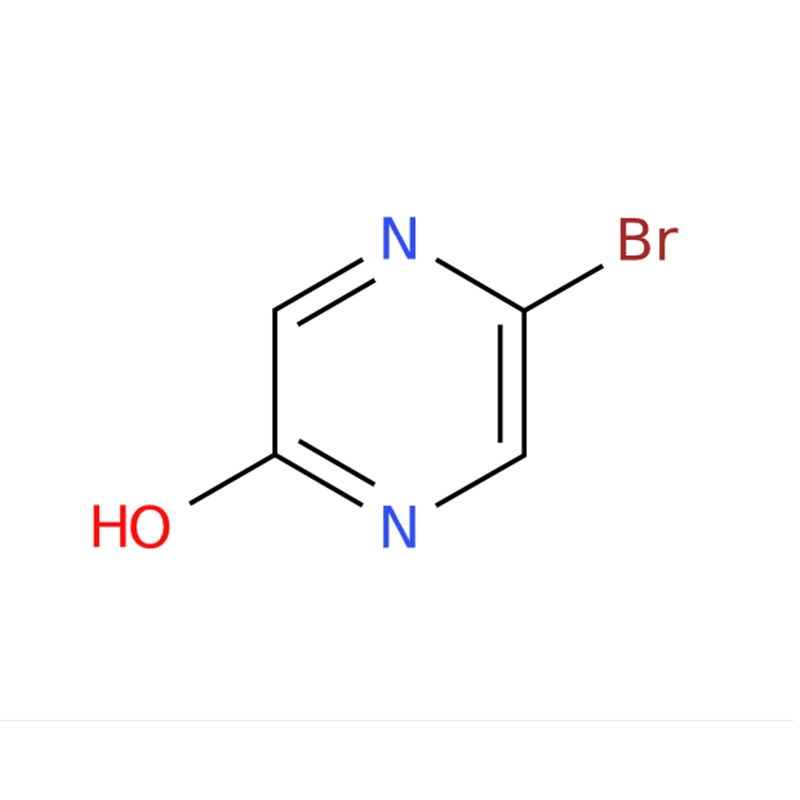
2-Bromo-5-hydroxypyrazine (CAS No. 374063-92-0), also known as 5-Bromo-2(1H)-pyrazinone or 2-Hydroxy-5-bromopyrazine, is a brominated nitrogen-containing heterocyclic compound. It has the molecular formula C₄H₃BrN₂O and a molecular weight of 174.983 g/mol.
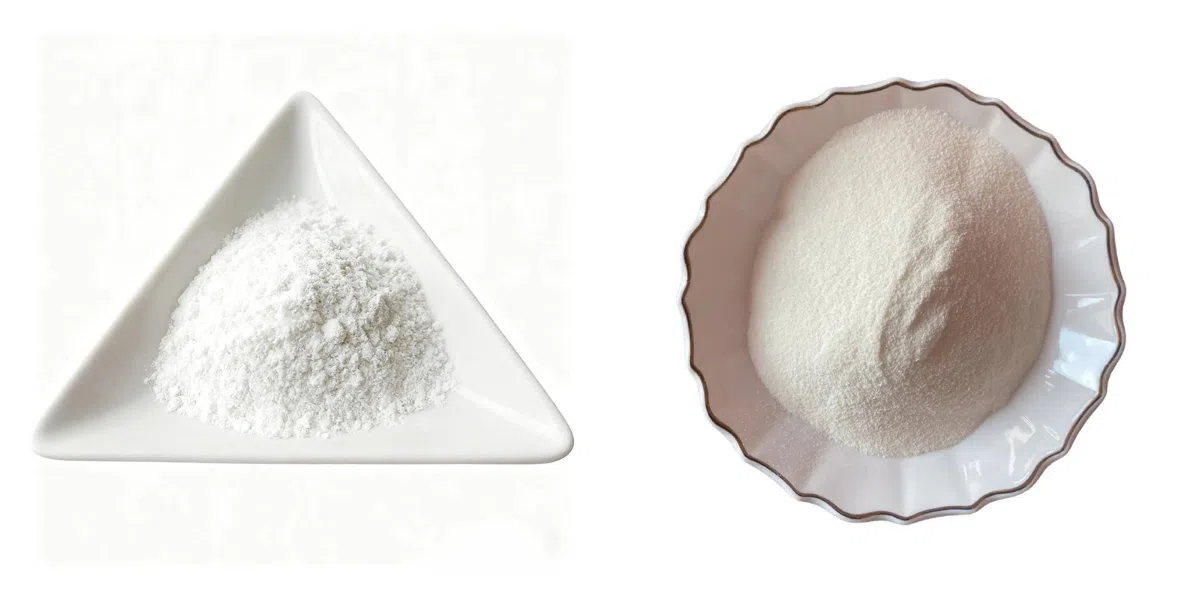
This compound is typically supplied as a white to light-brown crystalline powder. Its molecular structure contains a bromine substituent and a hydroxyl group (which may exist in tautomeric equilibrium with the corresponding pyrazinone form), making it a useful heterocyclic building block for organic synthesis and pharmaceutical research. The bromine functionality provides opportunities for further molecular modification in selected synthetic pathways.
With a reported density of approximately 1.9 ± 0.1 g/cm³ and a melting point of around 115°C (with decomposition), 2-Bromo-5-hydroxypyrazine has characteristic physical properties relevant to material identification and quality control. Its reported boiling point and vapor pressure are estimated values and should be treated as reference data rather than confirmed experimental specifications.
Basic Product Information
Product Name: 2-Bromo-5-hydroxypyrazine
CAS Number: 374063-92-0
Molecular Formula: C₄H₃BrN₂O
Molecular Weight: 174.983 g/mol
Synonyms: 5-Bromo-2(1H)-pyrazinone; 2-Hydroxy-5-bromopyrazine
Appearance: White to light-brown crystalline powder
Product Parameters
| Melting point | 115-119°C |
| Density | 2.00±0.1 g/cm3(Predicted) |
| Storage temp. | Keep in dark place,Sealed in dry,Room Temperature |
| Pka | 10.02±0.40(Predicted) |
| Form | Crystalline Powder |
| Color | White to light brown |
| Hazard Codes | Xi,Xn |
| Risk Statements | 22-41 |
| Safety Statements | 26-39 |
| WGK Germany | 1 |
| HS Code | 29339900 |
Application Scenarios
According to reported research, 2-Bromo-5-hydroxypyrazine has been associated with the preparation of CeO₂–ZrO₂–NiO-modified graphite electrodes in materials-related studies. As a brominated pyrazine derivative, it may serve as a heterocyclic building block in selected synthetic or material-development processes.
Its pyrazine ring and reactive functional groups also make it relevant to heterocyclic chemistry and the development of functional materials. Specific applications depend on the reported synthesis route and the role of the compound in the relevant research.