
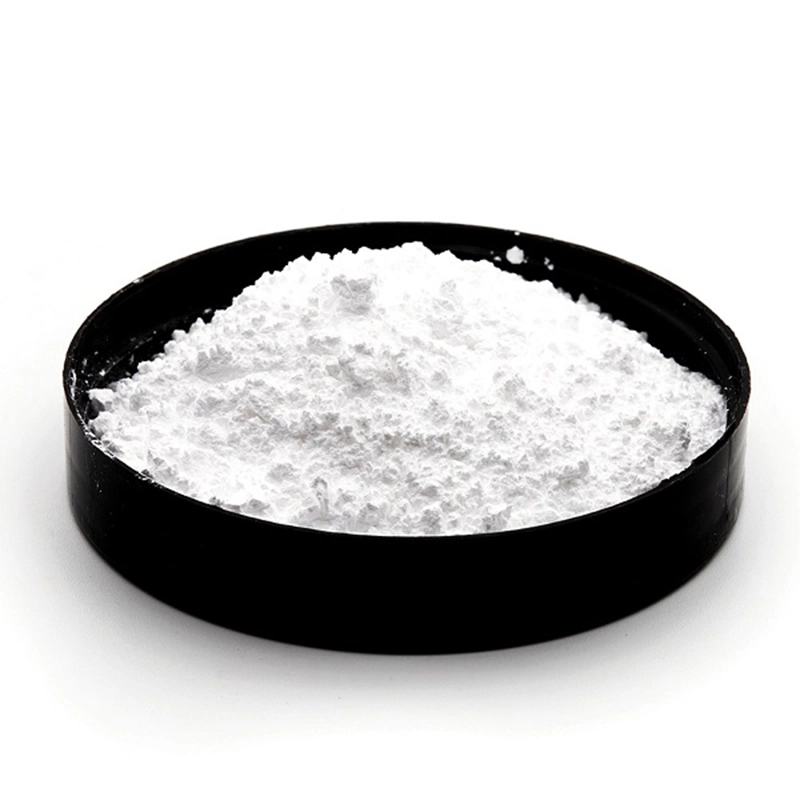
Procurement teams sourcing pyrazine building blocks for drug discovery and process chemistry programs are encountering a specification hazard that the CAS number alone does not neutralize. 5-Chloropyrazine-2-carboxylic acid, registered under CAS#36070-80-1, has a nearly identical twin: 6-chloropyrazine-2-carboxylic acid, CAS#23688-89-3. Both share the molecular formula C₅H₃ClN₂O₂ and a molecular weight of 158.54. Both are white to off-white powders. Both are sold as “chloropyrazinecarboxylic acid” by suppliers who may not distinguish the positional isomer in their catalog listings. For a medicinal chemist building a SAR series, the difference between the 5-chloro and 6-chloro isomer is the difference between the intended compound and a structural decoy.
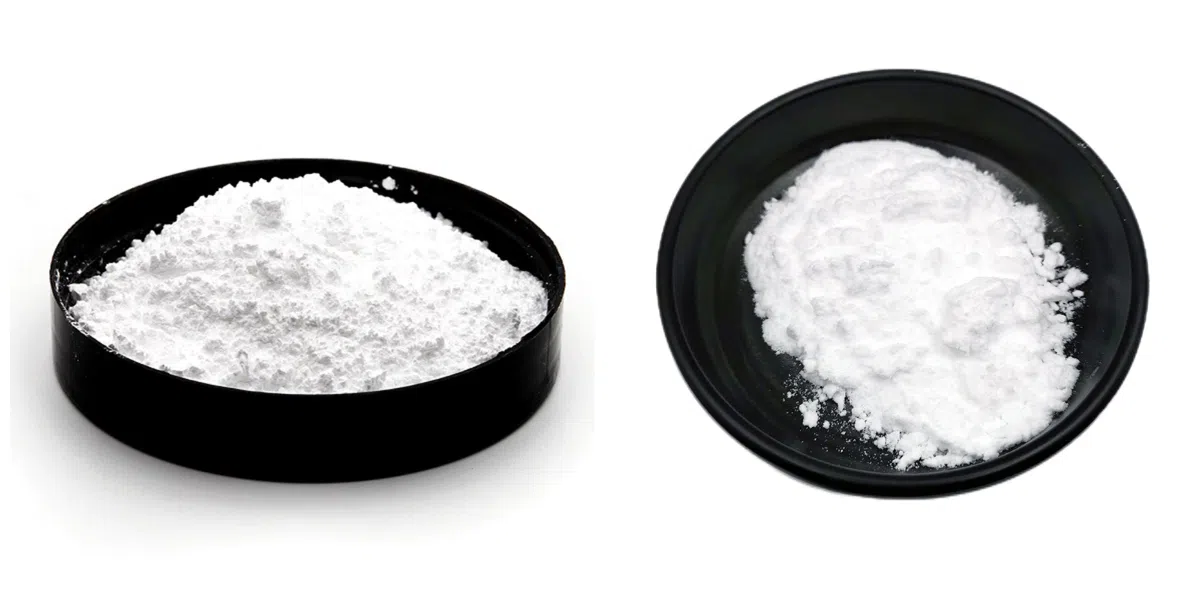
The Regioisomer Problem: Same Formula, Different Reactivity
The two isomers differ only in the position of the chlorine atom relative to the pyrazine nitrogens. In 5-chloropyrazine-2-carboxylic acid, the chlorine sits at position 5; in the 6-chloro isomer, it sits at position 6. This positional shift alters the electronic environment of the ring and, critically, the reactivity of the chlorine toward SNAr and cross-coupling chemistry. A Suzuki coupling that proceeds cleanly on the 5-chloro scaffold may fail or require different conditions on the 6-chloro isomer, and vice versa.
The procurement implication is straightforward: a purchase order specifying only “CAS 36070-80-1” is insufficient if the receiving laboratory cannot verify the structure independently. Suppliers including Advanced ChemBlocks and BOC Sciences list the correct CAS with IUPAC name confirmation. Smaller distributors on aggregator platforms may list the same compound under a generic pyrazine carboxylate name without positional disambiguation. The COA should include structure confirmation—NMR or at minimum the InChIKey, which for the 5-chloro isomer is FXJOTWLLDJYKAG-UHFFFAOYSA-N.
Purity Stratification: 95% vs. 98% Is a Process Decision
The commercial supply base offers this building block at two functionally distinct purity tiers. Research-grade material is available at ≥95% from suppliers including Fluorochem and Thermo Scientific. Process-grade material is available at ≥98% from Aladdin Scientific, Capot Chemical, and Bide Pharmatech.
The gap matters for anyone running a coupling reaction on scale. At 95% purity, the residual 5% may include unreacted starting material from the chlorination step, positional isomers, or debrominated/des-chloro byproducts. In a Suzuki or Buchwald coupling, these impurities can consume catalyst, complicate purification, and reduce the effective yield of the desired product. Aladdin’s ≥98% grade is specified by titration, not HPLC area, which provides a different quality signal: titration confirms the carboxylic acid content directly, while HPLC area measures chromatographic purity but can miss inorganic salts or residual solvents.
For process chemistry groups, the procurement decision should be explicit: 95% material for exploratory library synthesis where impurity carry-through is tolerable and the product is purified by chromatography; 98% (titration) or 98% (HPLC) for scale-up where the impurity profile must be controlled.
Application Signal: What the Patent Trail Reveals
The downstream use pattern for this building block is visible in the patent citations attached to its commercial listings. BOC Sciences’ product page cites US-2021196710-A1 and WO-2021127443-A1, both titled “Compounds and methods for the targeted degradation of androgen receptor,” alongside CN-111825657-A for bifunctional chimeric heterocyclic compounds targeting AR degradation. This places 5-chloropyrazine-2-carboxylic acid in the PROTAC and targeted protein degradation space—a high-value, patent-protected application where the precise substitution pattern of the building block determines whether the resulting degrader retains binding affinity for the E3 ligase or the target protein.
The older literature citations on the same page point to antimycobacterial activity studies of 5-chloropyrazinamide derivatives, suggesting a secondary thread in infectious disease research. For suppliers, this dual application profile—modern targeted degradation plus legacy antimycobacterial—means demand is not concentrated in a single therapeutic area, which stabilizes the commercial outlook for a building block that might otherwise be considered niche.
Handling and Storage: The Temperature Inconsistency
Supplier storage recommendations for this compound are inconsistent. Advanced ChemBlocks specifies storage at 0–8°C. Aladdin lists room temperature with lot-specific COA verification. Bide specifies “keep in dark place, sealed in dry, room temperature”. Fluorochem does not list a storage temperature on its product page.
This inconsistency is operationally relevant for warehouses and pilot plants. If the material is stable at room temperature when protected from moisture, the 0–8°C recommendation is conservative but not harmful. If the material is moisture-sensitive and the room-temperature recommendation is optimistic, a warehouse without humidity control could degrade the batch. The prudent procurement specification is sealed, dry, protected from light, at ambient temperature with desiccant—and verification of the COA’s water content (typically ≤0.5%) on receipt.
The GHS profile is mild: H315 (skin irritation), H319 (eye irritation), and H335 (respiratory irritation), signal word Warning. This is not a hazardous material requiring specialized handling infrastructure, but standard laboratory PPE and ventilation are appropriate.
Selection Checklist for Procurement and Process Chemistry Teams
Verify the regioisomer by InChIKey, not CAS alone. The 5-chloro compound is FXJOTWLLDJYKAG-UHFFFAOYSA-N. Confirm this on the COA or request NMR data. Do not accept a catalog listing that says only “chloropyrazinecarboxylic acid.”
Match purity method to application. ≥98% by titration for scale-up where carboxylic acid content is the critical parameter; ≥98% by HPLC for applications where organic impurity profile matters; ≥95% only for exploratory work with chromatographic purification.
Request water content and appearance data. The specification is typically ≤0.5% water, white to light yellow solid. A darker color or elevated water content signals storage or manufacturing issues.
Confirm storage conditions in your facility match the supplier’s packaging. If the material is shipped under ambient conditions but the supplier recommends 0–8°C, verify stability data or use the batch promptly.
Screen the patent landscape for freedom to operate. The PROTAC/AR degradation citations mean this building block may be embedded in composition-of-matter claims. Procurement alone cannot resolve FTO, but sourcing teams should flag the downstream use to legal review.
5-Chloropyrazine-2-carboxylic acid is a small, inexpensive building block with a deceptively simple structure. The procurement decision that protects downstream chemistry is the one that treats the regioisomer identity and purity method as defined specifications—not as details to be sorted out after the material arrives at the bench.