
Product Description
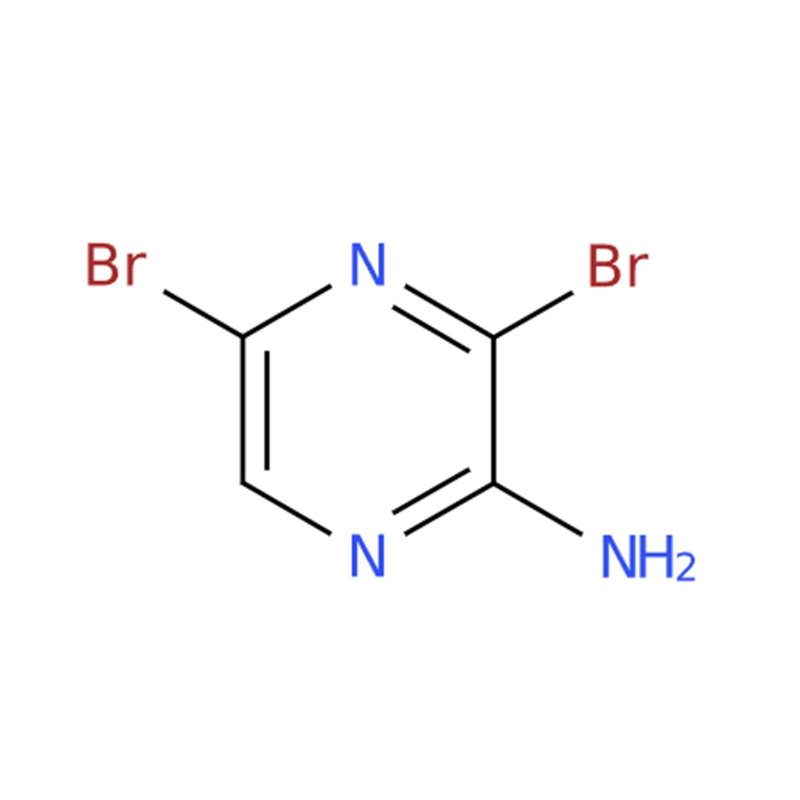
2-Amino-3,5-dibromopyrazine is a functionalized nitrogen-containing heterocyclic compound used as an intermediate in organic synthesis, pharmaceutical research, and advanced material development. Its pyrazine ring, amino group, and two reactive bromine substituents provide multiple sites for chemical modification, making it a versatile building block for the preparation of structurally complex organic compounds.
In pharmaceutical research, 2-Amino-3,5-dibromopyrazine has been associated with synthetic routes toward Rho-associated coiled-coil kinase (ROCK) inhibitors and related bioactive compounds. It has also been explored as a building block for functionalized conjugated polymers investigated in neurotoxin detection and biosensor development.
With its distinctive molecular structure and potential for further functionalization, this compound is suitable for specialized organic synthesis, medicinal chemistry research, and functional material development.
Product Parameters
| Melting point | 114-117 °C (lit.) |
| Boiling point | 294.6±35.0 °C(Predicted) |
| Density | 2.287±0.06 g/cm3(Predicted) |
| Storage temp | Keep in dark place,Inert atmosphere,2-8°C |
| Solubility | soluble in Methanol |
| Pka | 0.81±0.10(Predicted) |
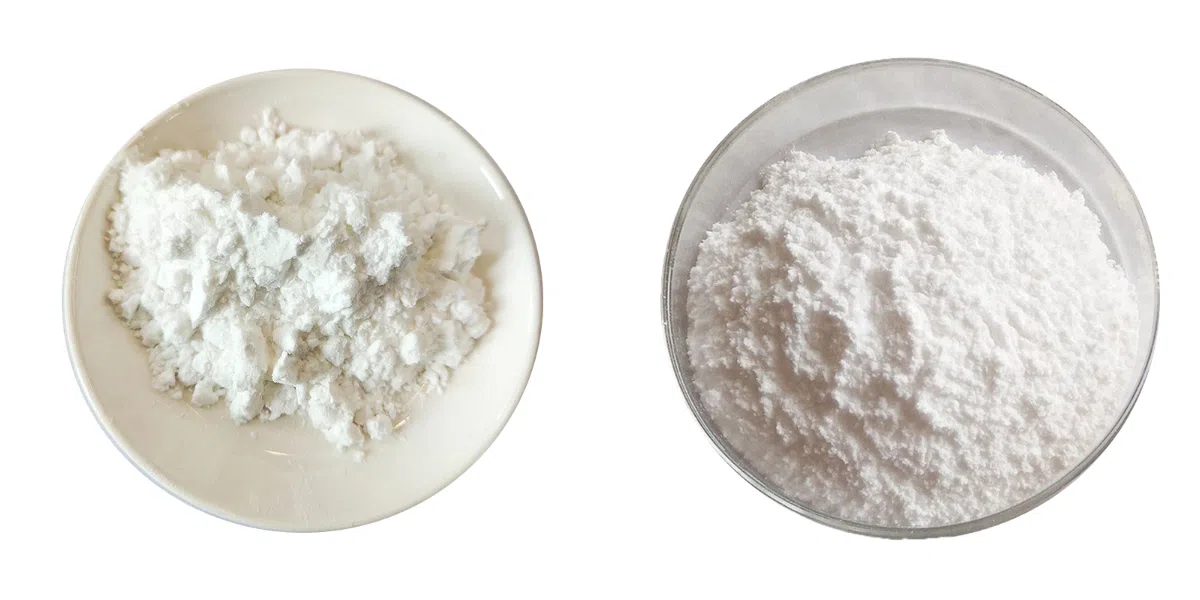
| Form | Powder |
| Color | Yellow to brown |
| InChIKey | DTLBKXRFWUERQN-UHFFFAOYSA-N |
| CAS DataBase Reference | 24241-18-7(CAS DataBase Reference) |
| Hazard Codes | Xn,Xi |
| Risk Statements | 22-37/38-41 |
| Safety Statements | 26-36/39 |
| RIDADR | UN 2811 6.1/PG 3 |
| WGK Germany | 3 |
| HazardClass | 6.1 |
| PackingGroup | III |
| HS Code | 29339900 |
Application Scenarios
2-Amino-3,5-dibromopyrazine is a versatile brominated heterocyclic intermediate used in advanced organic synthesis, pharmaceutical research, and functional material development. Its amino group and two reactive bromine substituents provide opportunities for further molecular modification, supporting the development of specialized compounds and functional materials.
Key Application Areas:
Conjugated Polymer Development: Used as a heterocyclic building block in the synthesis of selected conjugated polymers investigated for neurotoxin detection and chemical sensing applications.
Biosensor Research: Supports the development of functional polymer materials for analytical sensing technologies and advanced biosensor platforms.
ROCK Inhibitor Research: Serves as an intermediate in selected synthetic routes toward Rho-associated coiled-coil kinase (ROCK) inhibitors and related bioactive compounds.
Advanced Organic Synthesis: Applied in the preparation of structurally complex nitrogen-containing compounds through further functionalization of its dibrominated pyrazine structure.
Its suitability for specific applications depends on the synthesis pathway, reaction conditions, and required product specifications.