Product Description
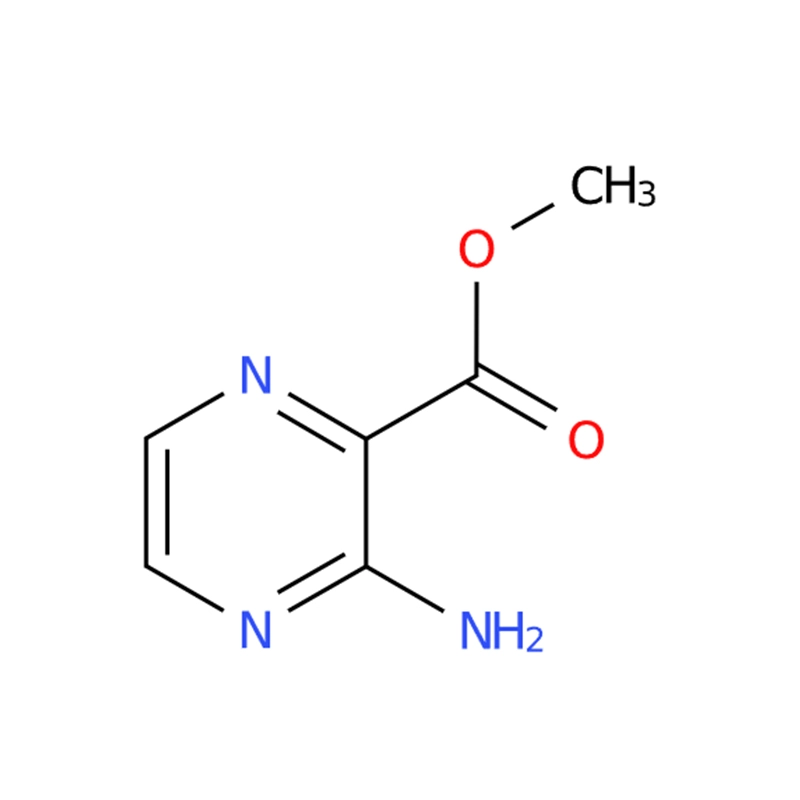
Methyl 3-aminopyrazine-2-carboxylate has a range of reported physicochemical parameters that help characterize its molecular structure and properties. These include a molar refractivity of 38.44 cm³/mol, a molar volume of 116.0 cm³/mol, an isotonic specific volume of 326.2 (0.2K), a surface tension of 62.4 dyn/cm, and a polarizability of 15.24 × 10⁻²⁴ cm³.
These parameters provide reference information for molecular characterization and chemical research. Actual physical and chemical behavior may vary depending on measurement conditions and the calculation or testing method used.
Product Parameters
| Melting point | 169-172 °C (lit.) |
| Boiling point | 300.8±37.0 °C(Predicted) |
| density | 1.319±0.06 g/cm3(Predicted) |
| storage temp. | Keep in dark place,Sealed in dry,2-8°C |
| solubility | Chloroform, Methanol |
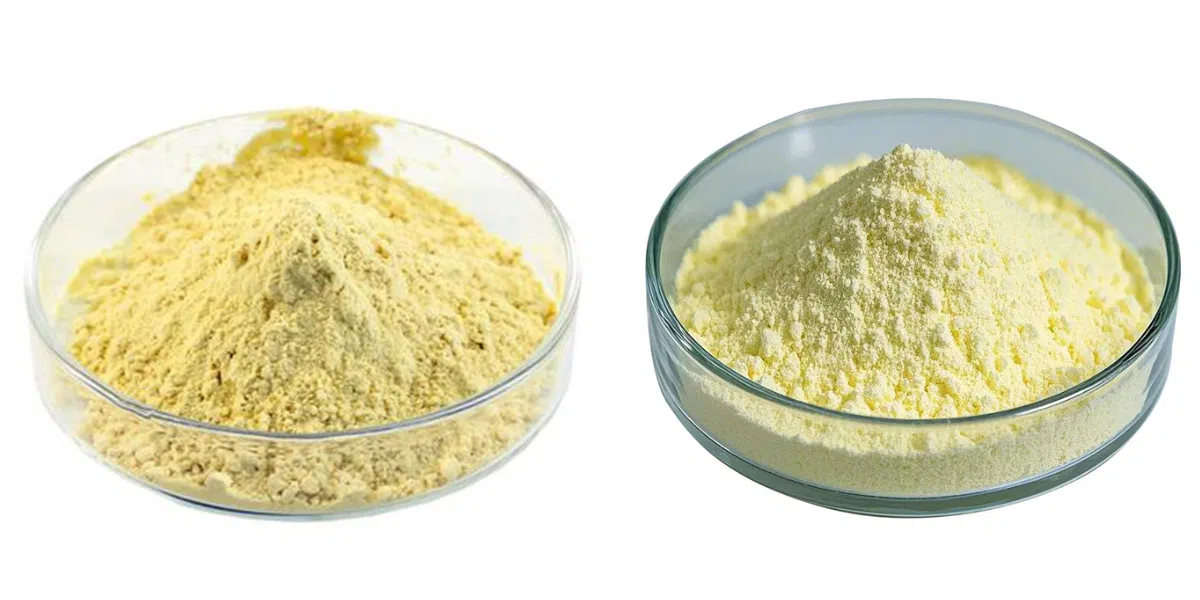
| form | Crystalline Powder |
| pka | -0.30±0.10(Predicted) |
| color | Yellow |
| BRN | 127495 |
| InChIKey | INCSQLZZXBPATR-UHFFFAOYSA-N |
| LogP | 0.2 at 20℃ and pH7 |
| Surface tension | 73.3mN/m at 1g/L and 20℃ |
| CAS DataBase Reference | 16298-03-6(CAS DataBase Reference) |
| Hazard Codes | Xi |
| Risk Statements | 36/37/38 |
| Safety Statements | 22-24/25-37/39-26 |
| WGK Germany | 3 |
| HazardClass | IRRITANT |
| HS Code | 29339900 |
Application Scenarios
Methyl 3-aminopyrazine-2-carboxylate is a valuable nitrogen-containing heterocyclic building block used in organic synthesis and pharmaceutical research. Its pyrazine ring, amino group, and methyl ester functionality provide multiple opportunities for chemical modification, making it a useful intermediate in the development of structurally diverse compounds.
Key Application Areas:
Pharmaceutical Research and Development: Used as a synthetic building block in medicinal chemistry for the preparation of pyrazine-based compounds and the exploration of potential bioactive molecules.
Heterocyclic Compound Synthesis: Applied in the synthesis of functionalized pyrazine derivatives through reactions involving its amino and ester groups.
Fine Chemical Development: Serves as an intermediate in the preparation of specialty nitrogen-containing organic compounds.
Laboratory Research: Used in synthetic methodology development, reaction studies, and the preparation of novel heterocyclic structures.
Its suitability for specific pharmaceutical, agrochemical, or other industrial applications depends on the target compound, synthesis route, and required product specifications.