
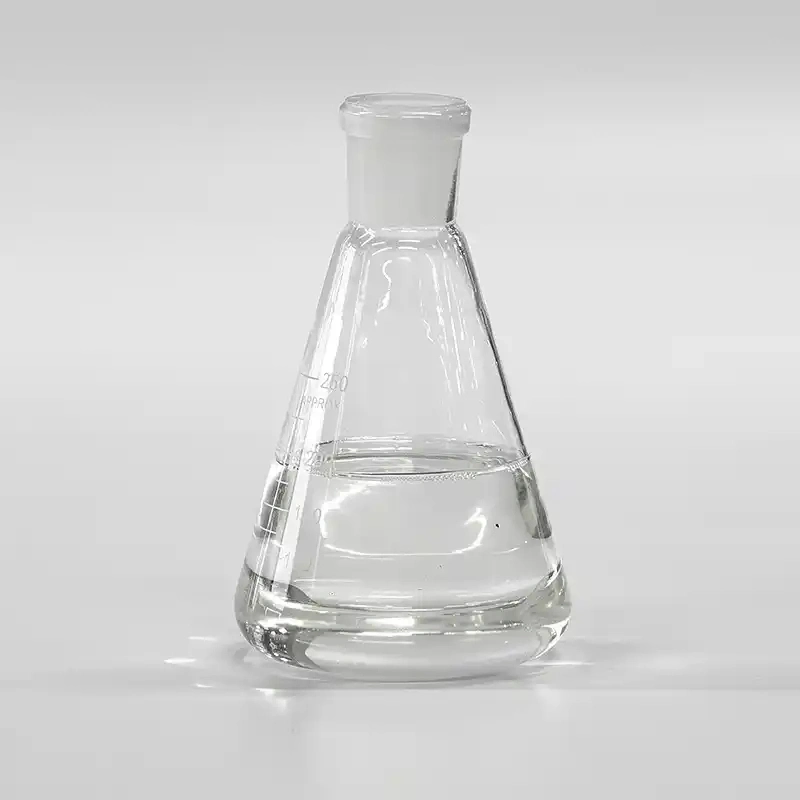
Product Description of Methyl Palmitate CAS#112-39-0
Methyl Palmitate, also known as methyl hexadecanoate or palmitic acid methyl ester, is a fatty acid methyl ester derived from palmitic acid. Its CAS number is 112-39-0, with the molecular formula C₁₇H₃₄O₂ and a molecular weight of approximately 270.45 g/mol. It is an important member of the fatty acid methyl ester family and can be found naturally in various plant-derived oils and other biological sources.
Methyl Palmitate is generally a white to off-white solid or waxy material at room temperature, with a melting point typically around 27–35°C depending on purity and measurement conditions. Its relatively high melting point distinguishes it from many unsaturated fatty acid methyl esters. It is also an important component of biodiesel derived from feedstocks containing palmitic acid.
As a long-chain fatty acid ester, Methyl Palmitate combines the characteristic properties of an ester functional group with the hydrophobic nature of a saturated C16 fatty acid chain. These properties make it useful as a chemical intermediate, formulation component, analytical reference material, and functional ingredient in a variety of industrial and research applications.
Applications of Methyl Palmitate CAS#112-39-0
1. Biodiesel and Renewable Fuel Research
Methyl Palmitate is one of the fatty acid methyl esters present in biodiesel. It is commonly used as a representative component or analytical reference standard when studying the composition and properties of biodiesel fuels. Its defined chemical structure also makes it useful for chromatographic analysis and the characterization of FAME mixtures.
2. Lubricants and Lubricant Additives
Due to its fatty acid ester structure and suitable physicochemical characteristics, Methyl Palmitate can be used in lubricant formulations and as a component or intermediate for lubricant-related products. It is also listed among applications involving lubricants and additives.
3. Detergents, Emulsifiers, and Wetting Agents
Methyl Palmitate is used in the preparation of detergents, emulsifiers, and wetting agents. Its ester structure and long hydrophobic carbon chain make it suitable for applications where fatty acid derivatives are required.
4. Cosmetics and Personal Care Products
Methyl Palmitate has applications in personal care and cosmetic-related formulations. It can serve as a fatty ester component in formulations and is also associated with the broader use of fatty acid derivatives in personal care products.
Methyl Palmitate is used in the flavors and fragrances field and is commercially available for applications involving these industries. Its occurrence in natural oils and biological materials also makes it relevant to research involving naturally occurring volatile and semi-volatile compounds.
6. Resins and Plasticizers
Methyl Palmitate can be utilized in the preparation of resins and plasticizers. As a fatty acid methyl ester, it provides a useful building block for formulations and chemical processes requiring long-chain ester compounds.
7. Analytical and Laboratory Research
High-purity Methyl Palmitate is widely used as an analytical reference standard, particularly for the identification and quantification of fatty acid methyl esters in biodiesel and other samples. It is suitable for chromatographic analysis and can also be used in research involving lipid chemistry, esterification, and related chemical processes.
8. Chemical and Industrial Intermediates
Methyl Palmitate can serve as an intermediate or functional raw material in the preparation of various products, including stabilizers, detergents, emulsifiers, lubricants, plasticizers, and related fatty-acid-based materials. Its broad compatibility with industrial formulations contributes to its usefulness across multiple application areas.

Summary
Methyl Palmitate CAS#112-39-0 is an important saturated fatty acid methyl ester with a wide range of industrial, commercial, and research applications. With its well-defined chemical structure, relatively high melting point, and compatibility with fatty-acid-based formulations, it is used in biodiesel research, analytical chemistry, lubricants, detergents, emulsifiers, cosmetics, flavors and fragrances, resins, plasticizers, and other chemical applications.


