
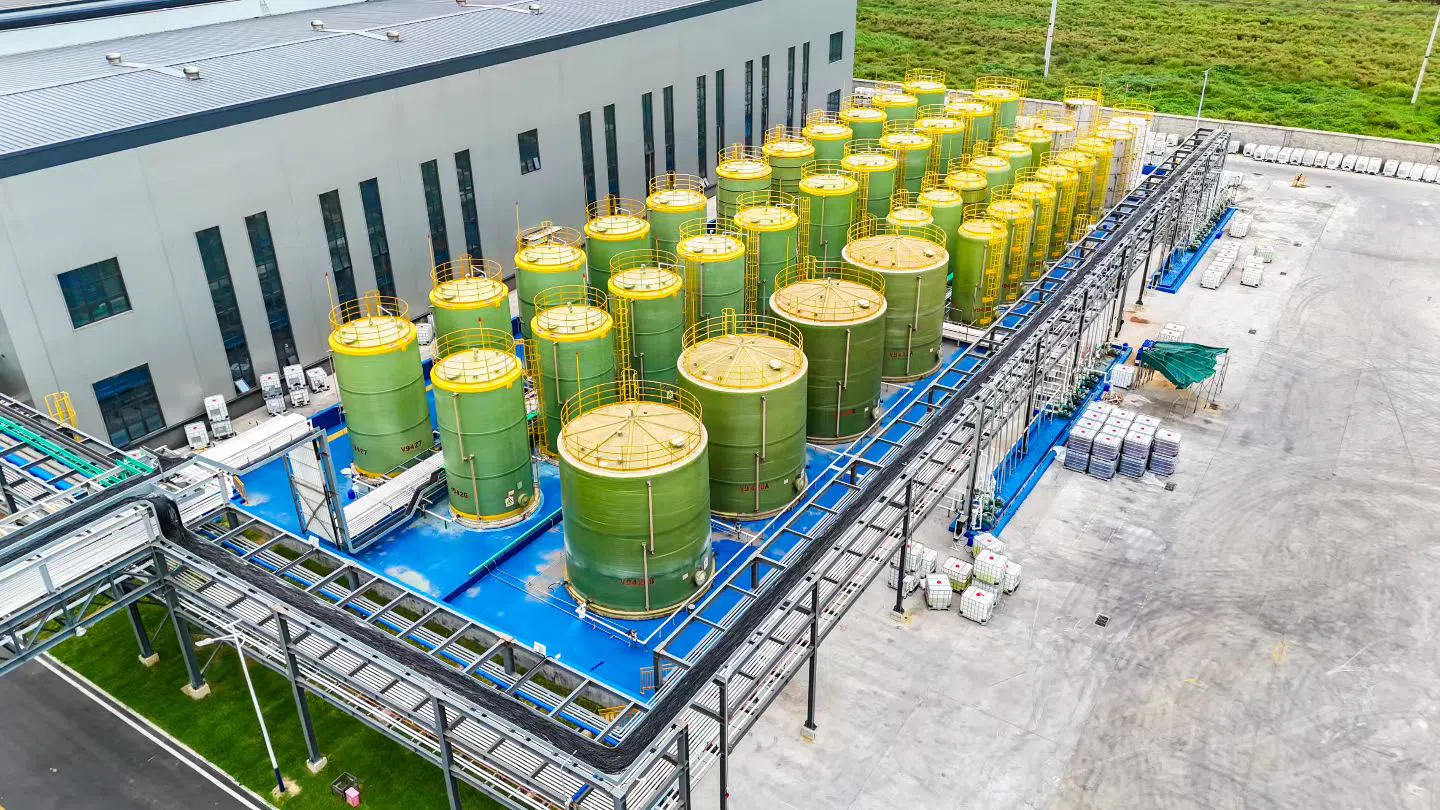
In industrial production processes such as steelmaking, power generation, chemical manufacturing, and pharmaceuticals, circulating cooling water systems play an essential role in heat exchange and cooling. As the circulating water continues to concentrate, scale-forming ions such as calcium and magnesium may form deposits, resulting in reduced heat-transfer efficiency, restricted water flow in pipelines, and increased equipment maintenance requirements. Therefore, selecting a suitable scale inhibitor specifically designed for industrial circulating water systems has become an important part of circulating water system management and operation.
The selection of an industrial circulating water scale inhibitor should not simply focus on a low chemical cost or low dosage. Instead, it should be tailored to the specific operating conditions, including circulating water quality, equipment materials, operating temperature, concentration cycles, and the type of scale formed.
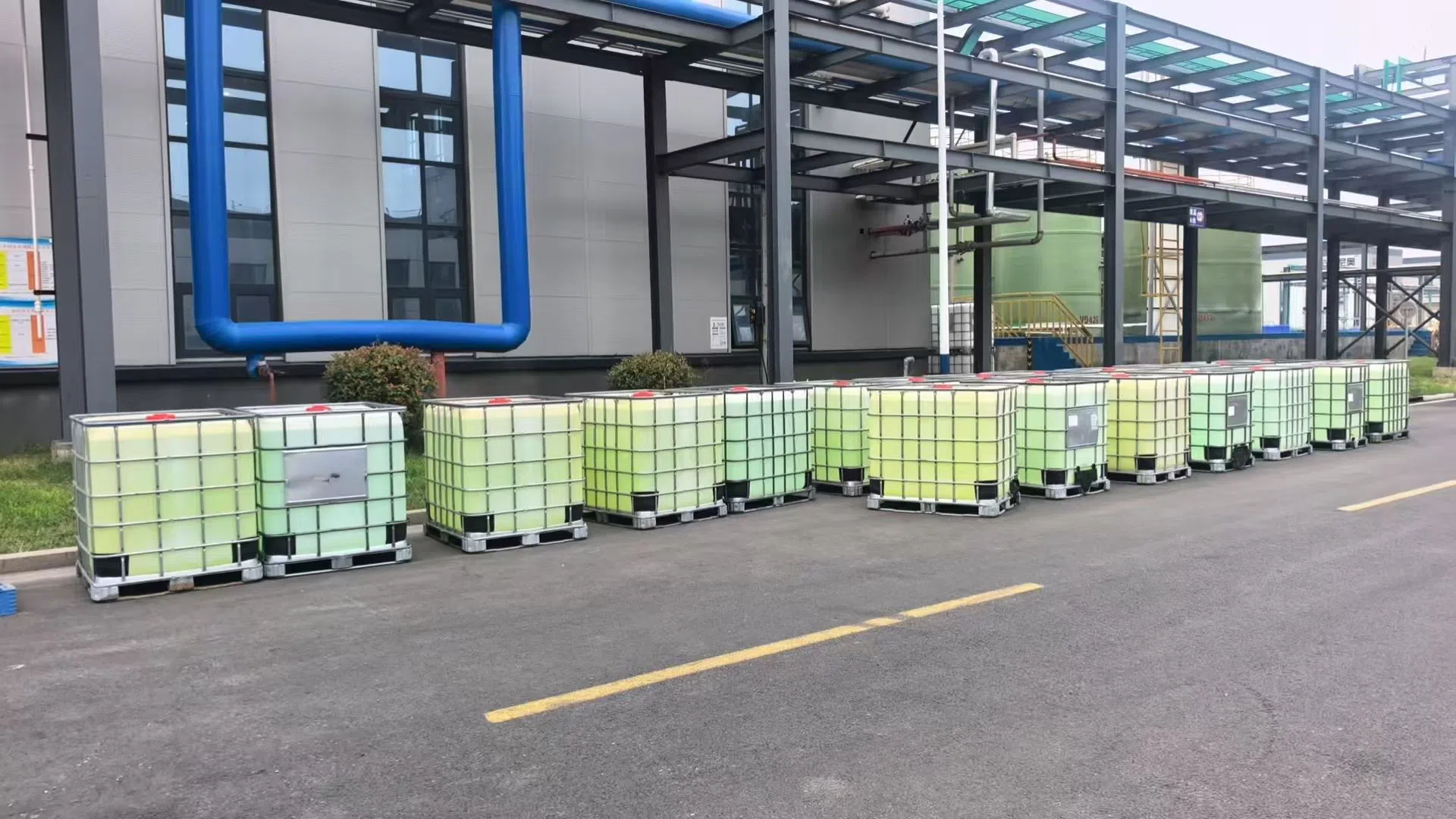
1. What Are the Functions of Scale Inhibitors for Industrial Circulating Water?
Scale inhibitors specifically designed for industrial circulating water are primarily used to reduce the risk of scale formation and deposition caused by sparingly soluble salts in circulating water systems. Different types of scale inhibitors may work through mechanisms such as interfering with crystal nucleation and growth, dispersion, and other chemical processes. Their specific performance depends on the formulation of the chemical and the actual water quality conditions.
1. Reducing the Risk of Scale Deposition
During continuous operation and concentration of circulating water, some scale-forming ions may reach a supersaturated state and form deposits on heat-exchange tube walls or equipment surfaces. A properly selected scale inhibitor can interfere with certain processes involved in crystal nucleation, growth, or adhesion, helping to control the risk of scale formation.
2. Maintaining the Performance of Heat-Exchange Equipment
Deposits may increase thermal resistance and affect equipment operating efficiency. Proper water quality management and scale control measures can help reduce the operational impact caused by deposits. However, the actual degree of improvement should be verified through on-site testing and operating data.
3. Supporting Comprehensive Circulating Water Treatment
The operation and management of industrial circulating water systems typically involve more than scale control. Other measures may include corrosion inhibition, microbiological control, blowdown management, and water quality monitoring. Scale inhibitors should be selected as part of an integrated water treatment program and should not be considered equivalent to descaling agents or biocides.
2. Common Industries Using Industrial Circulating Water Scale Inhibitors
Water quality and operating conditions can vary significantly across different industrial applications. The selection of water treatment chemicals should therefore be based on actual operating conditions.
Circulating Water in the Power Industry
Circulating cooling water systems in power plants typically require attention to water concentration, heat-exchange equipment performance, and scaling risks. The selection of scale inhibitors should be evaluated based on factors such as makeup water quality, circulating water parameters, and system operating conditions.
Circulating Water in the Steel Industry
Steel production involves a variety of cooling processes, and circulating water systems may encounter relatively complex water quality conditions. When selecting a scale inhibitor, factors such as cooling equipment materials, the source of process water, and the combined risks of scaling and corrosion should be taken into consideration.
Circulating Water in the Chemical Industry
Temperature, process media, and water quality conditions can vary considerably among different units within chemical manufacturing facilities. For industrial circulating water scale inhibitors, particular attention should be paid to their compatibility with existing processes and other water treatment chemicals.
Other Industrial Applications
Industrial circulating water scale inhibitors may also be used, depending on specific process requirements, in textile manufacturing, pharmaceutical production, papermaking, and other industrial water treatment applications. Their suitability and application methods should be determined based on water quality analysis and on-site validation.
3. How to Select a Scale Inhibitor for Industrial Circulating Water?
When selecting a scale inhibitor for industrial circulating water systems, suitability should not be determined solely by product descriptions such as “general-purpose” or “high-efficiency.” It is recommended to evaluate the following factors.
1. Understand the Circulating Water Quality
Water quality is a fundamental consideration when selecting a scale inhibitor. The following parameters should be monitored and evaluated:
Calcium hardness, magnesium hardness, and total hardness;
Total alkalinity, pH, and conductivity;
Temperature, concentration cycles, and makeup water quality;
Sulfate, chloride, silica, and other relevant parameters;
The composition and deposition characteristics of existing scale samples collected from the system.
Different water quality conditions may correspond to different scaling risks. The appropriate chemical should therefore be selected based on actual water quality analysis.
2. Identify the Type of Scale
Industrial circulating water systems may experience calcium carbonate scale, calcium sulfate scale, and other types of mixed deposits. Different scale types have different formation conditions and control challenges. Therefore, the scale inhibitor and treatment program should be selected according to the specific type of scale present.
3. Consider Chemical Compatibility
Circulating water systems may use multiple treatment chemicals simultaneously, including scale inhibitors, corrosion inhibitors, and biocides. During product selection, it is important to consider the compatibility of different chemicals, as well as their potential effects on equipment materials and process operations.
4. Validate Performance Through Testing and On-Site Data
Laboratory static tests, dynamic simulation tests, or on-site trials can provide useful references for chemical screening and selection. Actual application performance should be evaluated comprehensively based on changes in water quality, operating parameters, deposition conditions, and chemical dosing management.


