
Product Description
Polybutylene Terephthalate (PBT) is an engineering thermoplastic widely used in the automotive, electrical and electronics, machinery, and instrumentation industries. Its excellent dimensional stability, good electrical insulation properties, and efficient processing characteristics make it suitable for manufacturing precision-molded components and functional structural parts.
Product Parameters
| English Name | Poly(butylene terephthalate) |
| English Synonyms | terephthalicacid-1,4-butanediolpolymer;terephthalicacid-tetramethyleneglycolcopolymer;terephthalicacidtetramethyleneglycolpolymer;tetramethylenediol-terephthalicacidpolymer;tetramethyleneglycol-terephthal icacidpolymer;Thermocomp WC-1006;Ultradur B 2550;Ultradur B 4300 G10 |
| CAS Number | 26062-94-2 |
| Molecular Formula | C12H1606 |
| Molecular Weight | 256.25 |
| EINECS Number | 607-857-5 |
| Melting point | 226℃ |
| Density | 1.31 g/mL at 25 °C(lit.) |
| Storage conditions | -70°℃ |
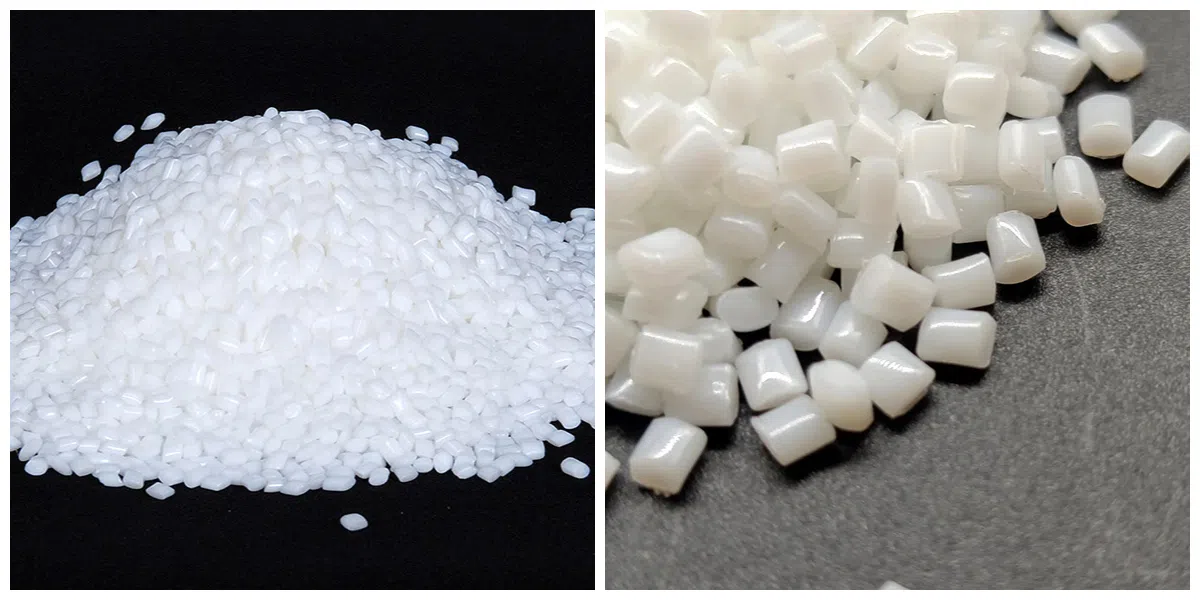
| Form | Granular |
| Biological origin | human |
| Specific activity | 6-8nmol/min-mg |
| InChI | InChI=1S/C8H604.C4H1002/c9-7(10)5-1-2-6(4-3-5)8(11)12;5-3-1-2-4-6/h1-4H,(H,9,10)(H,11,12); 5-6H,1-4 H2 |
| InChI key | PCVVBHUFWPHCAL-UHFFFAOYSA-N |
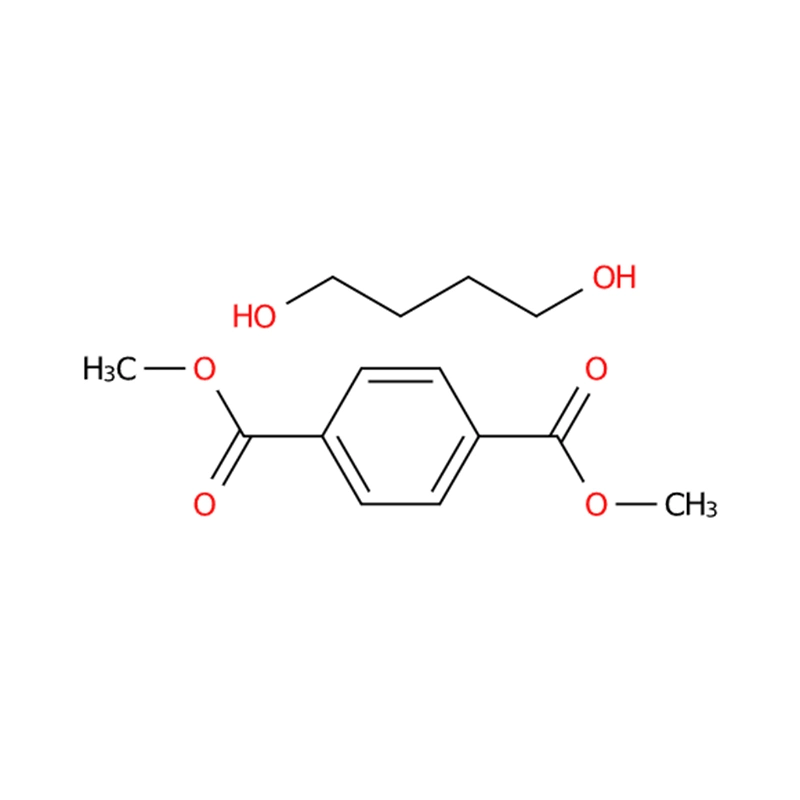
| SMILES | C(C1C=CC(C(=O)O)=CC=1)(=O)O.C(CO)CCO |
Application Scenarios
Electrical and Electronic Components: Glass-fiber-reinforced and flame-retardant PBT grades are widely used in electrical connectors, switches, insulating components, transformer bobbins, and housings for electronic equipment. These materials provide a combination of mechanical strength, dimensional stability, and electrical performance.
Automotive Components: PBT and PBT-based polymer alloys are used in selected automotive applications, including electrical connectors, ignition system components, sensor housings, and other functional parts. Depending on the formulation, PBT alloys can offer improved impact resistance, stiffness, and processability.
Industrial Machinery and Instrumentation: PBT is suitable for precision components, equipment housings, and mechanical parts that require dimensional accuracy, durability, and reliable electrical insulation.
Specialty Polymer Blends and Alloys: PBT can be blended with compatible polymers and modified with glass fibers, flame retardants, and other additives to tailor its mechanical, thermal, and processing properties for specific end-use requirements.
Food-Contact and Heat-Resistant Applications: Selected PBT grades may be considered for specialized food-contact components when they meet the applicable regulatory and performance requirements. Applications involving microwave heating or temperatures above 160°C require specific validation of the material grade, finished product design, and actual operating conditions.