Product Description
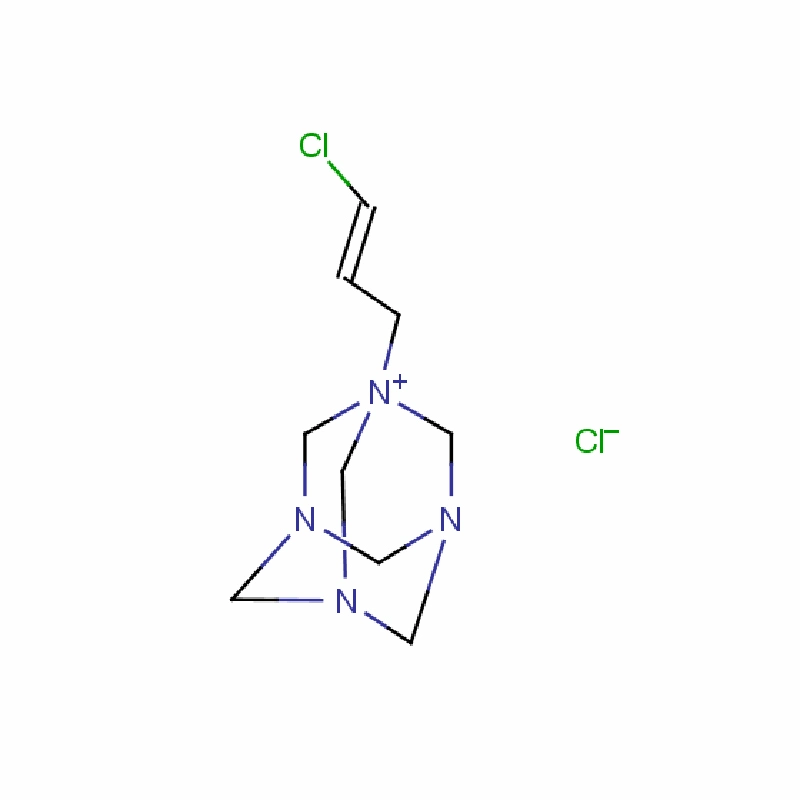
Quaternium-15 (CAS No. 51229-78-8) is a quaternary ammonium compound known for its antimicrobial and preservative properties. It is a formaldehyde-releasing biocide that has been used in various formulated products, including personal care products, latex paints, adhesives, coatings, and industrial chemical formulations.
Quaternium-15 works by gradually releasing formaldehyde under suitable conditions, helping inhibit the growth of microorganisms and protect formulations against microbial contamination. It exhibits broad-spectrum antimicrobial activity against bacteria, yeasts, and molds, making it effective as a preservative in compatible formulations.
Due to its cationic chemical structure and antimicrobial activity, Quaternium-15 has been used in applications requiring long-term microbial control. However, its use is subject to regulatory restrictions because of concerns about formaldehyde exposure and potential skin sensitization. Manufacturers should evaluate its suitability according to the intended application, local regulations, and applicable safety requirements.
Product Parameters
| Melting point | 178-210 °C |
| Boiling point | 396.43°C (rough estimate) |
| Density | 1.2898 (rough estimate) |
| Refractive index | 1.6300 (estimate) |
| Solubility | DMSO (Slightly), Methanol (Slightly) |
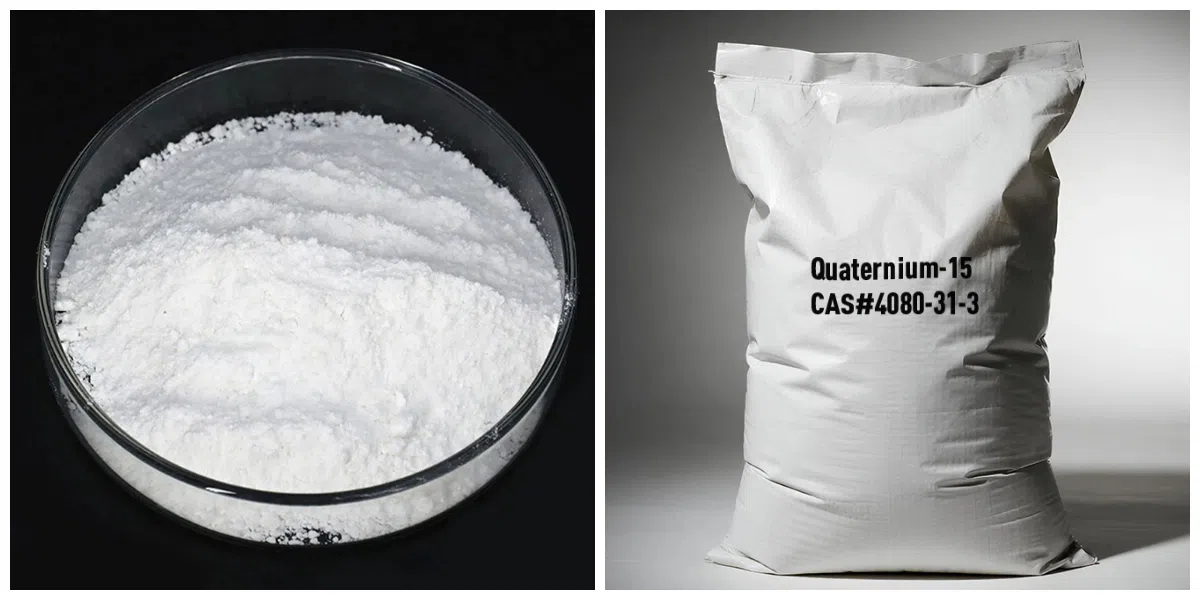
| Form | Solid |
| Color | Off-White to Pale Yellow |
| LogP | 1.347 (est) |
| EPA Substance Registry System | 1-(3-Chloroallyl)-3,5,7-triaza-1-azoniaadamantane chloride 2-(4080-31-3) |
Safety Information
| Hazardous Substances Data | 4080-31-3(Hazardous Substances Data) |
| Toxicity | LD50 (as 50% aq soln) in female rats, rabbits (mg/kg): 1552, 78.5 orally; in female rabbits (mg/kg): 565 dermally (cosmetic ingredient review) |
Application Scenarios
Quaternium-15 is a formaldehyde-releasing antimicrobial preservative used in various industrial and formulated products. Its broad-spectrum activity against bacteria, yeasts, and molds makes it useful in applications where microbial contamination needs to be controlled.
Industrial Preservatives: Used as an antimicrobial preservative in latex paints, polymer emulsions, industrial adhesives, coatings, and printing inks to help prevent microbial deterioration during storage and use.
Water Treatment Formulations: Has been used as a biocidal component in selected industrial water-treatment formulations to control microbial growth. Its suitability depends on the treatment system and applicable regulatory requirements.
Cleaning Products: Used in certain cleaning formulations, floor-care products, detergents, and surface-cleaning preparations to provide antimicrobial preservation.
Metalworking Fluids: Applied as a preservative in selected metalworking fluids and cutting-fluid formulations to help control bacterial and fungal contamination during storage and operation.
Paper and Pulp Processing: Used in certain paper coatings, paper-processing chemicals, and finishing formulations where microbial preservation is required.
Oilfield Chemicals: Has been used in oilfield applications, including drilling muds and packer fluids, to help control microbial contamination in industrial formulations.
Personal Care Formulations: Historically used as a preservative in shampoos, lotions, and other personal care products. However, its use in cosmetics is prohibited in the EU and restricted in various other markets, so current applications must be assessed against local regulations.