Product Description
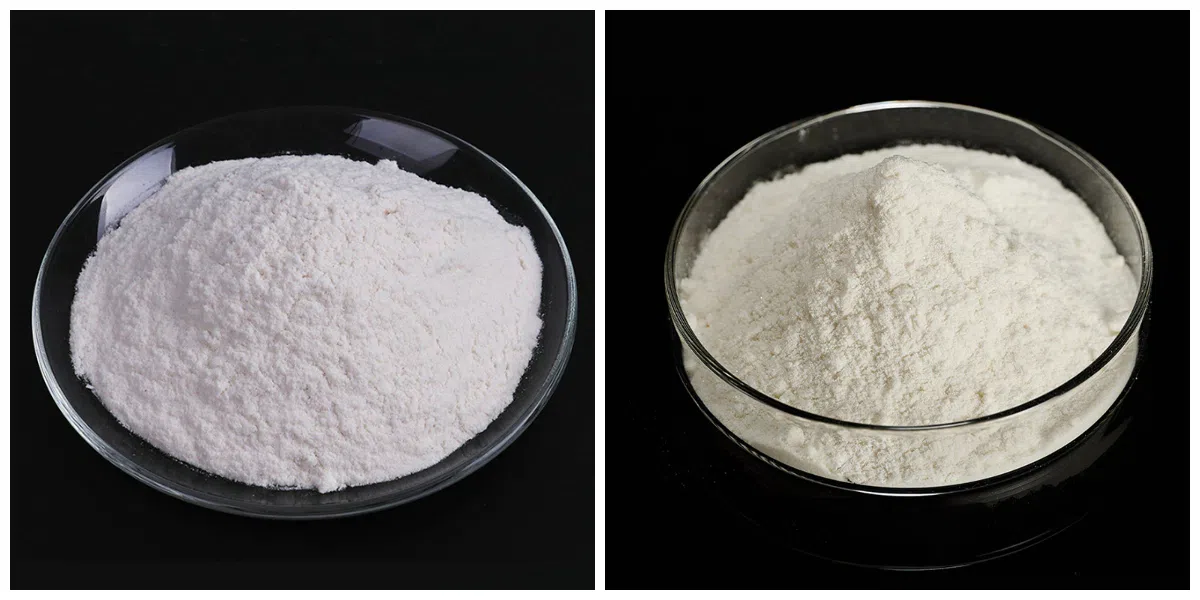
Adipic Acid is a white crystalline powder with virtually no odor. It has a relatively mild acidity compared with many commonly used food acids and provides effective buffering performance in the pH range of approximately 2.5–3.0. Similar to succinic acid and fumaric acid, adipic acid is practically non-hygroscopic, making it suitable for dry food formulations and powder products.
When used in food formulations, adipic acid provides a mild, smooth tartness without an excessively sharp acidic taste. It is particularly suitable for products with delicate or sensitive flavor profiles where controlled acidity is required.
Adipic acid is widely used as a food acidulant, acidity regulator, and buffering agent in dry powdered food mixes. It can also provide useful gelling and setting characteristics in gelatin-based food products and is commonly used in selected fruit-flavored and powdered formulations.
Adipic acid solutions exhibit relatively low acidity compared with many conventional food acidulants. At appropriate concentrations, they can help maintain a relatively stable pH, making adipic acid useful for acidity control and buffering in selected food applications.
Its controlled acidity can also help create formulations with a sufficiently low pH to reduce browning and support product quality in certain fruit and food products.
Overall, adipic acid combines mild acidity, low hygroscopicity, good buffering capacity, and versatile formulation performance, making it a useful ingredient for the food, beverage, flavor, and specialty food ingredient industries.
Product Parameters
| Melting point | 151-154 °C(lit.) |
| Boiling point | 265 °C100 mm Hg(lit.) |
| bulk density | 700kg/m3 |
| density | 1,36 g/cm3 |
| vapor density | 5 (vs air) |
| vapor pressure | 1 mm Hg ( 159.5 °C) |
| refractive index | 1.488 |
| FEMA | 2011 | ADIPIC ACID |
| Fp | 385 °F |
| storage temp. | Store below +30°C. |
| solubility | methanol: 0.1 g/mL, clear, colorless |
| pka | 4.43(at 25℃) |
| form | Solid |
| color | White |
| Odor | wh. monoclinic prisms, pract. odorless |
| PH | 3.74(1 mM solution);3.22(10 mM solution);2.71(100 mM solution); |
| biological source | synthetic |
| Water Solubility | 1.44 g/100 mL (15 ºC) |
| Merck | 14162 |
| JECFA Number | 623 |
| BRN | 1209788 |
| Dielectric constant | 1.8(Ambient) |
| Exposure limits | ACGIH: TWA 5 mg/m3 |
| Stability: | Stable. Substances to be avoided include ammonia, strong oxidizing agents. |
| Cosmetics Ingredients Functions | FRAGRANCE |
| BUFFERING | |
| InChIKey | WNLRTRBMVRJNCN-UHFFFAOYSA-N |
| LogP | 0.09 at 25℃ |
| CAS DataBase Reference | 124-04-9(CAS DataBase Reference) |
| NIST Chemistry Reference | Hexanedioic acid(124-04-9) |
| EPA Substance Registry System | Adipic acid (124-04-9) |
| Hazard Codes | Xi |
| Risk Statements | 36-41 |
| Safety Statements | 26-39-24/25 |
| RIDADR | UN3077 |
| WGK Germany | 1 |
| RTECS | AU8400000 |
| Autoignition Temperature | 788 °F |
| TSCA | Yes |
| HazardClass | 9 |
| HS Code | 29171210 |
| Hazardous Substances Data | 124-04-9(Hazardous Substances Data) |
| Toxicity | LD50 orally in Rabbit: 5700 mg/kg LD50 dermal Rabbit > 7940 mg/kg |
Application Scenarios
Adipic Acid is widely used in the food industry as an acidulant, acidity regulator, and flavoring ingredient. Its low hygroscopicity, mild acidity, and good formulation stability make it suitable for a variety of food and beverage applications.
Main Applications
Powdered Beverages & Drink Mixes: Used as an acidulant to provide a mild, balanced tartness and help regulate acidity in powdered drink formulations.
Beverages: Used for acidity adjustment and flavor balance in selected beverage products.
Gelatin Desserts: Provides acidity control and can contribute to the setting performance and texture of gelatin-based products.
Confectionery & Lozenges: Used as an acidulant and flavoring component to provide a controlled acidic profile.
Canned Vegetables: Used for acidity regulation and pH control in selected canned food formulations.
Baking Powder: Functions as a leavening acidulant, reacting with alkaline components to support carbon dioxide generation during baking.
Buffering Applications: Can be used as a buffering agent to help maintain acidity within the approximate pH range of 2.5–3.0, depending on formulation conditions.
Edible Oils: In certain applications, adipic acid may be used as a formulation component to help improve oxidative stability and control rancidity.
Adipic acid has a water solubility of approximately 1.9 g/100 mL at 20°C. At a concentration of around 0.6% and 25°C, its aqueous solution has a pH of approximately 2.86. Actual performance depends on concentration, formulation, temperature, and other ingredients.