Product Description
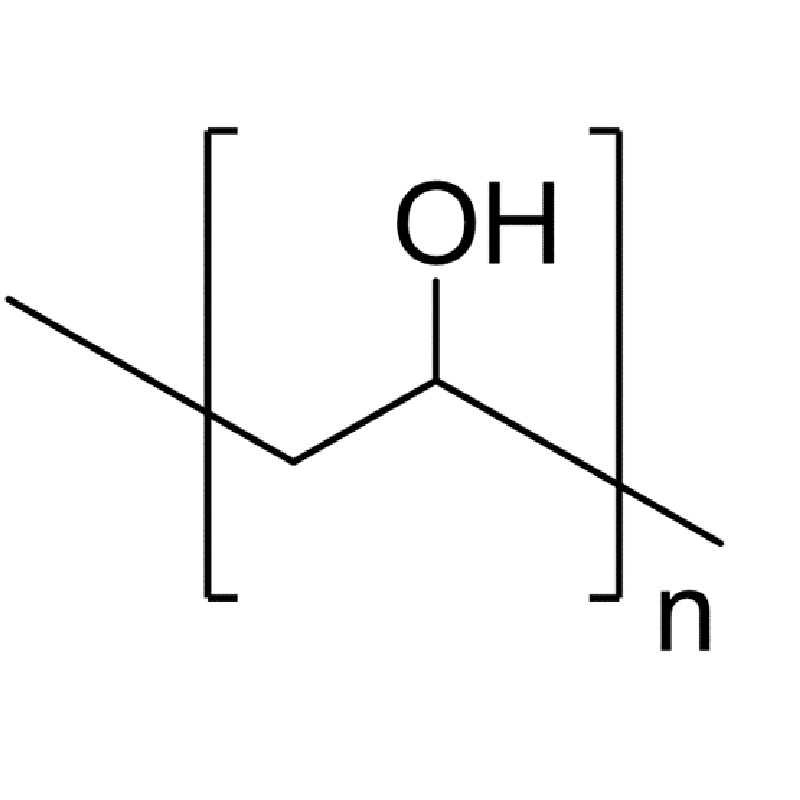
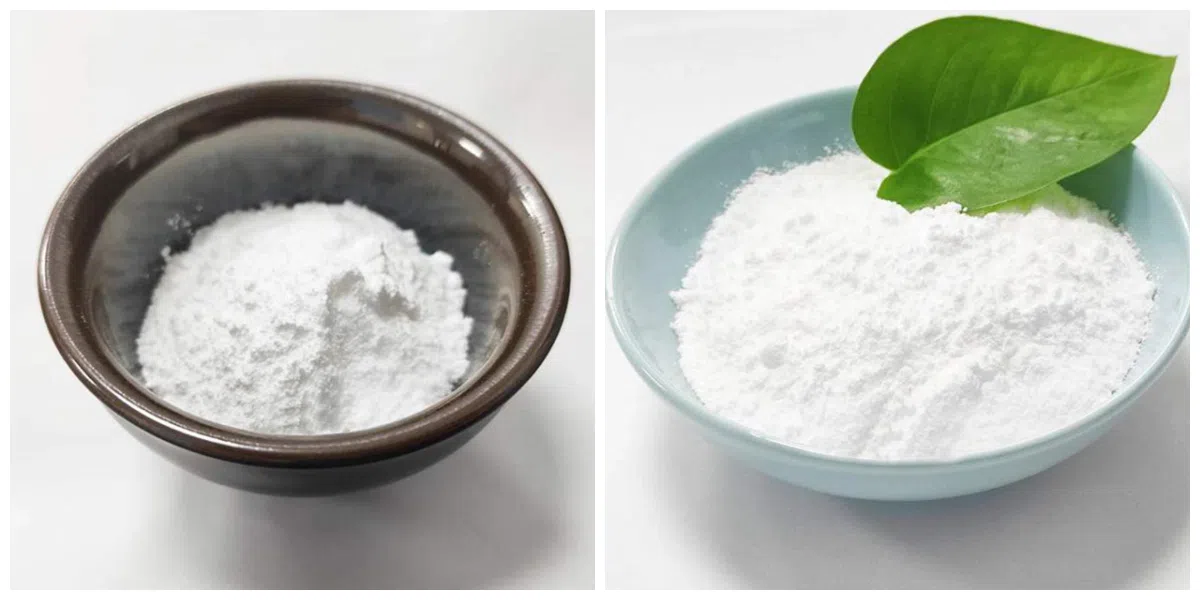
Polyvinyl Alcohol (PVA) is a water-soluble synthetic polymer typically supplied as a white powder, flakes, or irregular particles. Its glass transition temperature generally ranges from approximately 60–85°C, depending on the degree of polymerization and hydrolysis.
Due to its high concentration of hydroxyl groups and polar functional groups, PVA readily forms hydrogen bonds with water, giving it good water solubility and film-forming properties. Its solubility is affected by factors such as molecular weight, degree of hydrolysis, temperature, and formulation conditions.
PVA is readily soluble in water and certain hot polar solvents, including glycerol and phenol. It has limited or poor solubility in many conventional organic solvents, such as benzene, acetone, and gasoline.
With its combination of water solubility, film-forming ability, adhesion, and chemical versatility, PVA is widely used in adhesives, paper and textile processing, coatings, water-soluble films, construction materials, and other industrial applications.
Product Parameters
| Melting point | >300 °C |
| Boiling point | -14.5°C (rough estimate) |
| density | 1.080 g/cm3 |
| Tg | 73 |
| Tg | 99 |
| Tg | 99°C |
| bulk density | 400-670kg/m3 |
| refractive index | 1.3810 (estimate) |
| Fp | 79°C |
| storage temp. | Store below +30°C. |
| solubility | H2O: soluble (hot) |
| form | Powder |
| color | White to cream |
| Odor | at 100.00?%. odorless |
| PH | 3.5-7.0 (40g/l, H2O, 20℃) |
| Water Solubility | soluble in hot water |
| Merck | 14,7585 |
| Dielectric constant | 1.9(Ambient) |
| Stability: | Stable. Combustible. Dust may form explosive mixtures with air. Incompatible with strong oxidizing agents. |
| NIST Chemistry Reference | Polyvinyl alcohol(9002-89-5) |
| IARC | 3 (Vol. 19, Sup 7) 1987 |
| EPA Substance Registry System | Polyvinyl alcohol (9002-89-5) |
Safety Information
| Hazard Codes | Xn |
| Risk Statements | 23/24/25-36/38-39/23/24/25-68/20/21/22-20/21/22 |
| Safety Statements | 26-36/37-45-24/25 |
| WGK Germany | 1 |
| RTECS | TR8100000 |
| Autoignition Temperature | 450 °C |
| TSCA | Yes |
| HS Code | 39053000 |
| Hazardous Substances Data | 9002-89-5(Hazardous Substances Data) |
| Toxicity | LD50 orally in Rabbit: > 20000 mg/kg |