Product Description
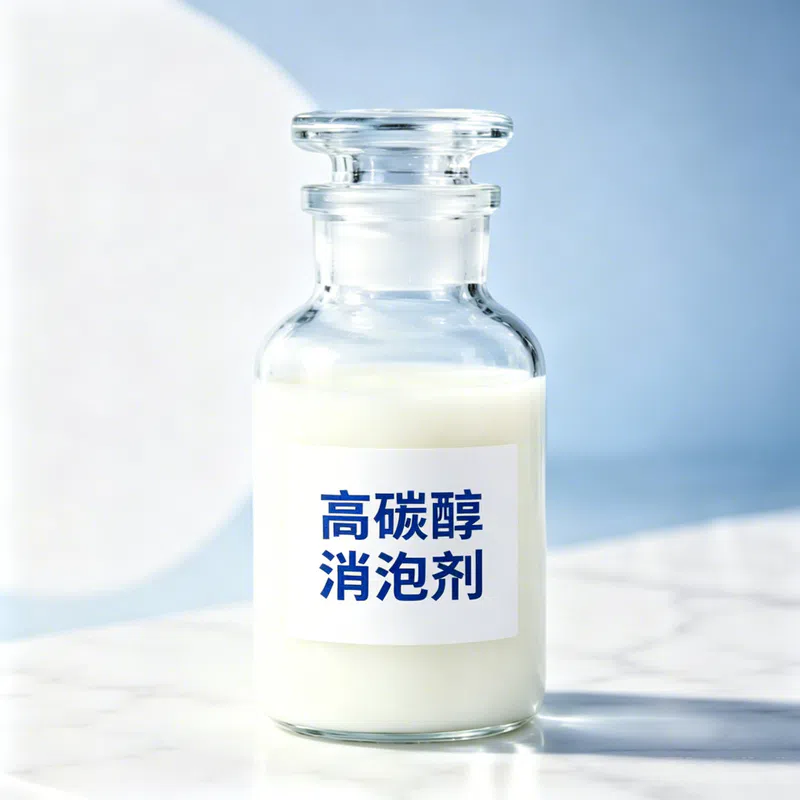
High carbon alcohol defoamers are oil-in-water (O/W) emulsion-type defoamers formulated using higher fatty alcohols, higher fatty acids, and long-chain mineral oils as the base oils. Various water-soluble modified vegetable oils are used as auxiliary oils, together with water-soluble linear low-molecular-weight alcohols. The product is manufactured through an emulsification process under high-temperature conditions using suitable emulsifiers.
The fatty acids and fatty alcohols in the formulation feature strong hydrophobicity and good hydrolytic stability. The auxiliary oils provide a broad range of applicability and good fluidity, while the low-molecular-weight alcohols offer excellent hydrophilicity. As a result, the product exhibits excellent dispersibility, low tendency to cause color-stain migration, and good biodegradability.
In paper white water systems, A-213H provides excellent deaeration and foam-suppression performance. It effectively helps prevent paper breaks, holes, pinholes, and other defects caused by excessive foam.
Product Parameters
| Model | Appearance | pH Value | Solids Content | Viscosity (25°C) | Application |
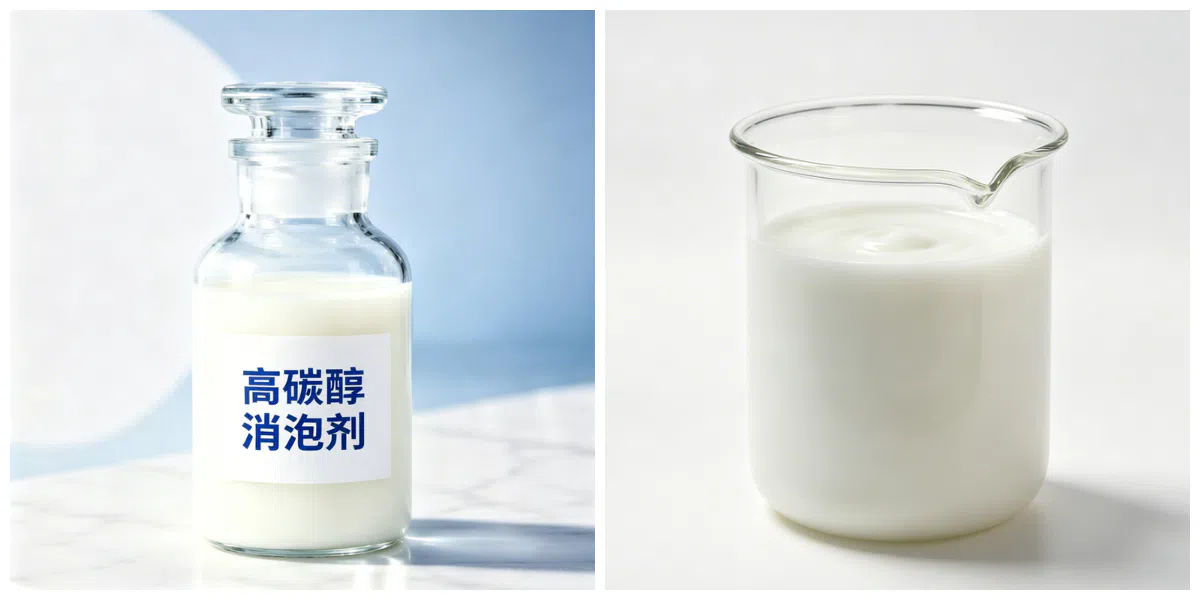
| A-213H | Milky white viscous liquid | 5.0–8.0 | 30% | 200–1,000 mPa·s | Paper white water, high-temperature conditions ≥40°C |
| A-213L | Milky white viscous liquid | 5.0–8.0 | 30% | 200–1,000 mPa·s | Paper white water, low-temperature conditions <40°C |
Application Scenarios
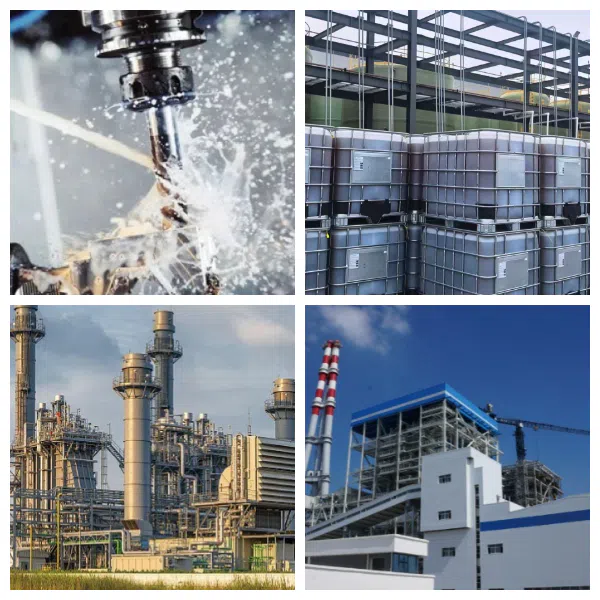
High-carbon alcohol defoamers are typically suitable for foam control in water-based, alkaline, or neutral systems, particularly in processes involving mechanical agitation, circulation, spraying, aeration, and other operations that are prone to generating foam.
1. Pulp and Paper Industry
Pulp washing, screening, and bleaching
Foam control during the papermaking process
Recycled paper pulping and deinking
Mainly used to reduce the impact of foam on paper machine operation, paper quality, and production efficiency.
2. Textile and Dyeing Industry
Dyeing, printing, desizing, scouring, bleaching, and other water-based processes
Particularly suitable for processes such as high-speed circulation and jet dyeing, where significant amounts of foam can be generated
Helps reduce liquid-level fluctuations and equipment overflow caused by excessive foam
3. Industrial Cleaning
Metal cleaning agents
Alkaline cleaning agents
Spray cleaning, ultrasonic cleaning, and circulating cleaning processes
When cleaning solutions containing surfactants generate excessive foam, defoamers can be added to effectively control foam formation
4. Water-Based Coatings, Inks, and Adhesives
High-speed dispersion processes are particularly prone to foam generation, so the defoamer is generally added during the dispersion stage or during subsequent formulation
5. Wastewater Treatment
Foam control in industrial wastewater treatment, aeration, dissolved air flotation, and related processes
However, wastewater compositions vary significantly, so particular attention should be paid to the potential effects of the defoamer on COD, flocculation, flotation performance, and subsequent treatment processes
6. Chemical Manufacturing Processes
Suitable for general chemical processes, including water-based polymerization and emulsion production, excluding fermentation and other biological processes
Can be used to control foam generated during agitation, circulation, material addition, and gas-liquid contact