
Product Description
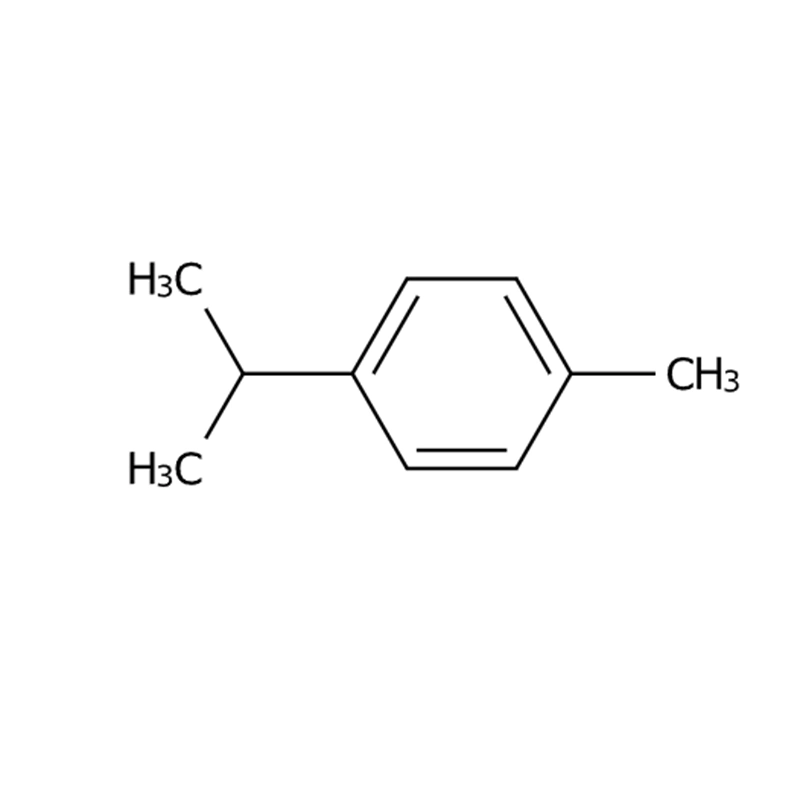
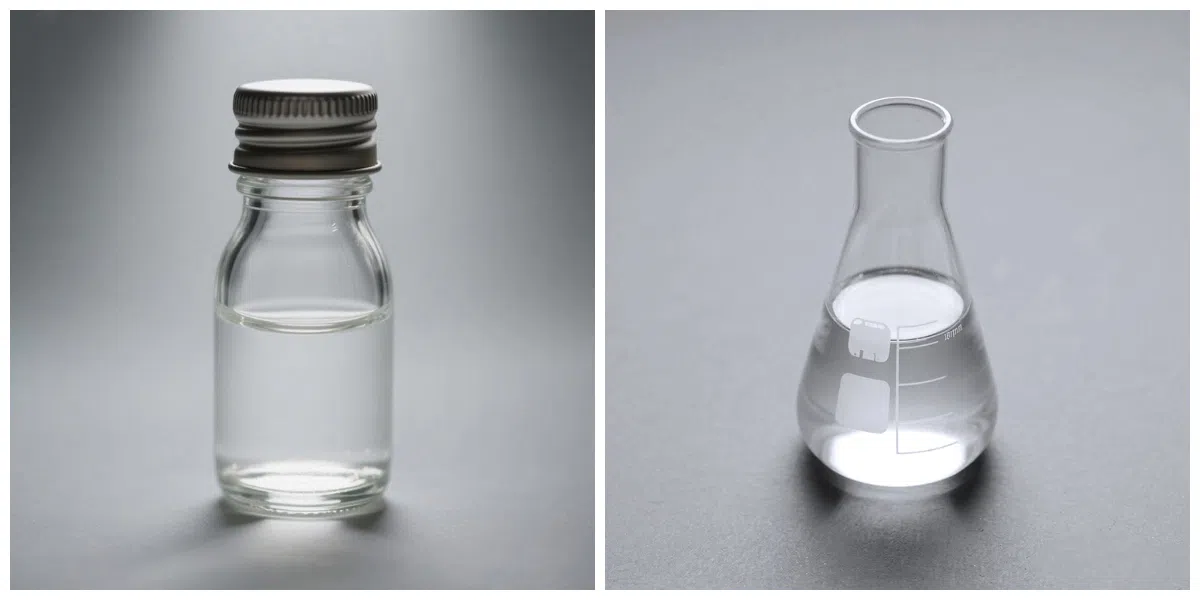
p-Cymene, also known as 4-isopropyltoluene, is an organic compound with the molecular formula C₁₀H₁₄. It is a colorless, transparent liquid and shows excellent compatibility with a wide range of organic solvents. Although it is insoluble in water, it dissolves readily in ethanol, ether, acetone, chloroform, and other organic solvents.
Because of its advantageous chemical characteristics, p-cymene is widely applied in organic synthesis. It also plays an important role in the formulation of paint thinners and other chemical products.
Product Parameters
| Melting point | -68 °C |
| Boiling point | 176-178 °C(lit.) |
| density | 0.86 g/mL at 25 °C(lit.) |
| vapor density | 4.62 (vs air) |
| vapor pressure | 1.5 mm Hg ( 20 °C) |
| refractive index | n20/D 1.490(lit.) |
| FEMA | 2356 | P-CYMENE |
| Fp | 117 °F |
| storage temp. | 2-8°C |
| solubility | Chloroform (Sparingly), Ethyl Acetate (Slightly) |
| form | Liquid |
| color | Clear |
| Odor | Mild, pleasant; aromatic, solvent-type. |
| Odor Type | terpenic |
| Odor Threshold | 0.057ppm |
| explosive limit | 0.056 |
| Water Solubility | PRACTICALLY INSOLUBLE |
| Merck | 142763 |
| JECFA Number | 1325 |
| BRN | 1903377 |
| Dielectric constant | 2.3(17℃) |
| Stability: | Stable. Flammable. Incompatible with strong oxidizing agents, strong acids, strong bases. |
| InChIKey | HFPZCAJZSCWRBC-UHFFFAOYSA-N |
| LogP | 4.1-4.8 at 20℃ |
| CAS DataBase Reference | 99-87-6(CAS DataBase Reference) |
| NIST Chemistry Reference | Benzene, 1-methyl-4-(1-methylethyl)-(99-87-6) |
| EPA Substance Registry System | p-Cymene (99-87-6) |
| Hazard Codes | Xi |
| Risk Statements | 10-36/37/38 |
| Safety Statements | 26-36 |
| RIDADR | UN 2046 3/PG 3 |
| WGK Germany | 2 |
| RTECS | GZ5950000 |
| Autoignition Temperature | 817 °F |
| TSCA | Yes |
| HazardClass | 3 |
| PackingGroup | III |
| HS Code | 29029090 |
| Hazardous Substances Data | 99-87-6(Hazardous Substances Data) |
| Toxicity | LD50 orally in rats: 4750 mg/kg (Jenner) |
Application Scenarios
p-Cymene can be used as a starting material to produce p-cresol and acetone. It is also an essential intermediate involved in manufacturing dyes, pharmaceuticals, and fragrances.
In addition, p-cymene occurs naturally in a variety of essential oils. It is further applied in related uses because it is associated with expectorant, cough-relief, and respiratory-soothing effects.